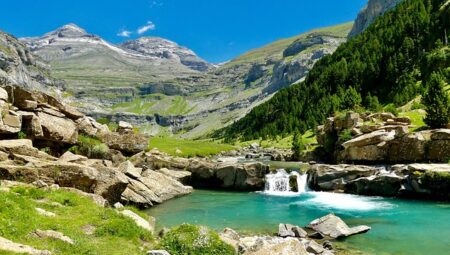
You might wonder, what exactly do Sami people think about the rapid development happening in their region? Well, it’s a mixed bag. On one hand, they recognize that development can bring much-needed infrastructure and economic opportunities. Who wouldn’t want better healthcare or education, right? But on the flip side, there’s a palpable concern about how this development often comes at a cost—both to their way of life and the environment.
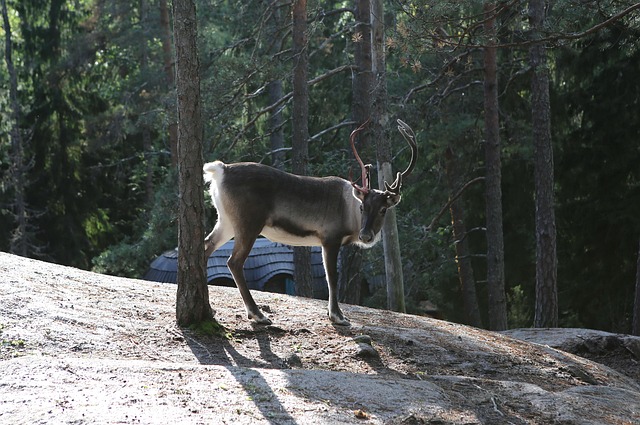
Consider the reindeer, a symbol of Sami culture. These majestic animals rely on vast grazing lands, which are increasingly threatened by projects like mining, oil drilling, and tourism. For the Sami, sustainable development isn’t just a buzzword; it’s a necessity. They advocate for approaches that respect their traditions and protect their natural resources. After all, developing the Arctic isn’t merely about economic benefit; it’s about ensuring that future generations can still experience the wonders of their homeland.
“Voices from the Ice: Sami Perspectives on Sustainable Arctic Development”
What does sustainable Arctic development really mean through Sami eyes? For the Sami, it’s not just about making the environment friendly or building eco-lodges; it’s a holistic approach that mirrors their deep connection to the ice, the reindeer, and the sacred earth. They see the Arctic as a living entity, much like how we might view a beloved friend—worthy of respect and care rather than mere exploitation.
As they navigate the challenges of climate change, the Sami’s voices rise like the northern lights, colorful and vibrant. Their traditional knowledge blends seamlessly with modern practices, creating a powerful narrative that advocates for the land and its bounty. It prompts questions about responsibility—how can we, as global citizens, honor the voices that have sung to the ice for generations?
Envision a world where development doesn’t trample on the rights and cultures of indigenous people. The Sami’s perspective encourages us to shift our focus. It’s about coexisting—like different musical notes creating a beautiful harmony rather than a jarring noise. Imagine leveraging their wisdom in tourism, fishing, or renewable energy, creating a future that celebrates rather than diminishes their heritage.
“Preserving Culture: How Sami Traditions Shape Arctic Development Initiatives”
First off, the Sami people, with their rich heritage of reindeer herding, crafting, and storytelling, have a unique connection to the land. Their knowledge is not just history; it’s a treasure trove of sustainable practices. Think of it like a well-worn map that guides contemporary developers through the harsh Arctic landscape. By integrating Sami wisdom with modern approaches, we can create projects that respect both the environment and indigenous rights.
Imagine a new renewable energy project that’s not just built to last but is also a harmonious extension of Sami beliefs about nature. Here, traditional ecological knowledge serves as the foundation. It’s like using an ancient recipe to bake a modern cake; the old ingredients blend perfectly with new flavors, resulting in something both delicious and meaningful.
Moreover, Sami culture emphasizes community and collaboration. This spirit is essential when it comes to Arctic development initiatives. Instead of top-down approaches, why not foster partnerships that resonate with local values? By involving the Sami in decision-making processes, projects are more likely to reflect the true needs and aspirations of the community. It’s like getting everyone together for a potluck — everyone brings a unique dish to the table, celebrating their flavors and stories.
“From Land to Ledger: The Sami’s Role in Shaping Eco-Conscious Arctic Development”
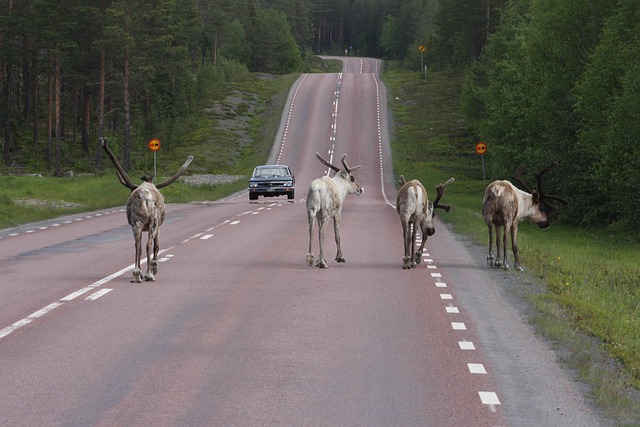
The Sami have a unique relationship with nature, almost like a tight-knit family. They view the land not as a commodity to exploit but as a living entity, deserving of respect and care. This perspective shapes their approach to sustainable practices, urging developers to think twice before paving over pristine tundra. It’s as if they’re holding a mirror to society, reflecting the importance of stewardship and sustainability.
Picture a ledger, filled with entries of land use and environmental impact, each number representing a choice made, a consequence borne. The Sami encourage us to rethink what those numbers mean and how we can recalibrate our development strategies to preserve the Arctic’s delicate balance. They advocate for traditional ecological knowledge to blend seamlessly with modern technology, allowing for a harmonious existence where nature thrives alongside innovation.
Curious how this translates into real-world applications? Think about how the Sami often lead the charge in advocating for renewable energy projects that honor the land. From solar farms placed with care to wind turbines designed to minimize disruption, their insights are invaluable in shaping a future that’s not only economically viable but ecologically sound.
As the world looks to the Arctic for resources, the Sami’s voice is vital, calling us to a path of enlightened growth. They urge us to delve deeper and ask the challenging questions: How can we develop responsibly while safeguarding the heritage and ecosystems that define this magnificent region? The answers lie in listening to the wisdom of those who have thrived in harmony with the land for generations.
“Arctic Ambassadors: Sami Communities Advocate for Responsible Resource Management”

The Sami way of life is deeply rooted in the Arctic ecosystem. Think of the traditional practices of reindeer herding and fishing—not just as hobbies but as a lifestyle, intricately linked to their identity. As climate change looms like a dark cloud over their homeland, the Sami are standing their ground, saying “enough is enough.” They’re not just waiting for someone to come save the day; they’re actively shaping policies and dialogues around sustainable practices.
Imagine a world where these communities have a say in how resources are utilized—where their traditional knowledge is recognized alongside modern techniques. Isn’t that what we all want? A partnership where everyone benefits, and no one is left behind. Sami advocacy groups are making waves, collaborating with environmental organizations and policymakers to push for sustainable methods that respect both nature and culture.
Through their powerful voices, the Sami are shining a light on the importance of preserving biodiversity while also fighting against exploitative practices that threaten their way of life. This is more than just a local fight; it’s a global call to action, reminding us that the balance between the earth and its people is something we must all cherish and protect. Imagine the impact if we all adopted such a mindset!
“Intersections of Tradition and Progress: The Sami Viewpoint on Arctic Infrastructure Projects”
Imagine living in a land that’s not just a backdrop to human activity, but rather a living, breathing entity full of stories and ancestral ties. For the Sami, the Arctic isn’t just a place; it’s their home, rich with cultural significance. When new infrastructure projects roll into town, they often bring a whirlwind of change that can disrupt traditional ways of life like reindeer herding and fishing—activities that are not only livelihoods but also spiritual connections to the land.
Think of it like inviting someone into your home and then having them start moving your furniture around without permission. The Sami see these developments as potential invasions of their sacred spaces, eroding not just their practices but also their identity. On one hand, there’s the promise of economic growth and job creation, but on the other, there’s a risk of deep cultural loss.
Who wouldn’t want to embrace progress, right? But what if that progress comes at the price of a vibrant culture that has thrived for centuries? The Sami viewpoint invites us to reflect deeply: How can we strike a balance between nurturing development and preserving the valuable traditions rooted in the Arctic’s heart? Tackling these complex challenges requires more than just blueprints and budgets—it calls for genuine dialogue and a commitment to co-creating solutions with the Sami people at the forefront. After all, true progress respects and integrates the wisdom of those who have walked the land long before modern development arrived.
“The Future Is Indigenous: Sami Insights into Climate Change and Arctic Development”
Their unique relationship with the Arctic environment equips them with profound knowledge about sustainable living. Picture the vast expanses of snow and ice—these are not just backdrops but living ecosystems that the Sami have navigated for generations. Their understanding of seasonal changes, animal migration, and plant cycles is like a finely tuned instrument, capable of revealing shifts in the climate that many of us might overlook.
But here’s where it gets fascinating: the Sami don’t just sit back and observe. They embody resilience, adapting their practices to protect their culture and the land. Like canaries in the coal mine, they serve as critical indicators of ecological changes, reminding us that the stakes are high. Isn’t it intriguing how their traditional knowledge, often dismissed, holds the key to innovative solutions for today’s pressing environmental challenges?
“Empowered Voices: Sami Leaders Weigh in on Arctic Policy and Environmental Stewardship”
Ever wondered why the Arctic matters? It’s not just an icy wilderness; it’s a barometer of climate change, reflecting global shifts in weather patterns. Sami leaders emphasize that protecting this fragile ecosystem isn’t just about preserving wildlife; it’s about safeguarding their culture and future. They often say that the land is more than resources; it’s a living entity that nurtures their way of life. Just like a symphony, every aspect of the environment plays a role, and when one instrument falters, the harmony is lost.
But this isn’t just about keeping things the way they are. Sami leaders are challenging outdated policies and pushing for sustainable development that respects both the land and its people. They advocate for policies that blend traditional ecological knowledge with scientific research, making sure every decision reflects both ancient wisdom and modern realities. Think of it as bridging a gap between worlds—melding old and new, heritage and innovation.
Frequently Asked Questions
What Role does Traditional Knowledge Play in Arctic Planning?
Traditional knowledge is essential in Arctic planning as it incorporates the insights and experiences of Indigenous communities, providing valuable perspectives on environmental management, resource use, and climate adaptation. This knowledge helps enhance decision-making processes, ensuring that plans respect local customs and sustainability practices, while addressing the unique challenges faced in the Arctic region.
How do Sami Communities Contribute to Arctic Policy?
Sami communities play a vital role in Arctic policy by advocating for indigenous rights, environmental protection, and sustainable development. Their traditional knowledge and cultural practices inform decision-making processes, ensuring that policies reflect the needs and values of indigenous populations. Collaborative efforts between Sami leaders and policymakers aim to address climate change, preserve biodiversity, and uphold the cultural heritage of the Sami people.
What Challenges Do Sami Face in Arctic Development?
The Sami people encounter numerous obstacles in Arctic development, including loss of traditional lands due to industrial activities, climate change affecting their reindeer herding practices, and the struggle to maintain their cultural identity in the face of modernization. Additionally, they face economic inequalities and limited access to decision-making processes that impact their communities and livelihoods.
What are Sami Perspectives on Arctic Development?
Sami perspectives on Arctic development emphasize the importance of integrating indigenous knowledge and practices into sustainable economic, environmental, and social initiatives. They advocate for the protection of traditional lands, cultural heritage, and self-determination while addressing climate change and promoting responsible resource management.
How Does Climate Change Impact Sami Livelihoods?
Climate change significantly affects the traditional livelihoods of the Sami people, primarily through changes in weather patterns, decreased ice coverage, and altered wildlife migration. These shifts impact reindeer herding, fishing, and hunting practices, threatening food security and cultural practices. As temperatures rise, the ecosystem undergoes unpredictable changes, complicating access to resources crucial for the Sami’s way of life.