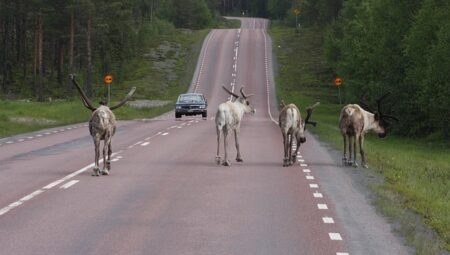
First off, climate change is a game changer. It’s not just a whisper in the wind; it’s a full-on storm that affects reindeer migration patterns, which are crucial to the Sami way of life. How do you maintain centuries-old traditions when the very land you rely on is shifting beneath your feet? With rising temperatures and erratic weather, the delicate balance that Sami culture has thrived on for generations is getting disrupted.
But it doesn’t stop there. Land disputes are a simmering issue, often leaving the Sami feeling like they’re fighting from the sidelines in their own homeland. Corporations eyeing the rich resources of the Arctic can turn beautiful landscapes into barren industrial zones overnight. When you think about it, it’s like someone showing up to your house, taking down your family photos, and painting the walls a color you can’t stand—it simply doesn’t feel right.
Then, there’s the struggle for recognition. In many countries, Sami people still battle for rights that should be a given. Imagine trying to shout your identity to the world only for it to echo back, unheard. The lack of political representation means that their voices often go unheard in decisions that directly affect their lives.
These issues aren’t just problems to solve; they’re the threads in a rich tapestry that makes up the Sami identity, each strand telling a story worth preserving. What can we do to ensure that these stories aren’t lost in the noise of modernity?
Voices of the North: How Sami Communities Are Fighting for Their Rights Amid Climate Crisis
So, what’s going on here? The Sami people, with their rich traditions and close ties to the land, are experiencing firsthand the impacts of climate change. The reindeer, which are central to their way of life, are struggling due to changing weather patterns and unpredictable food sources. It’s like being tossed into a blender—chaos reigns as the very fabric of their culture is at risk. They’re not just seeing melting ice; they’re witnessing a shift in their entire world.
More than ever, Sami voices are echoing throughout global discussions, demanding recognition of their rights as stewards of the land. They’re advocating not only for their communities but for the planet too. Picture it: a group of people who’ve tended to the land for generations standing at the forefront of environmental action. They’re leading campaigns, sharing stories, and educating others about sustainable practices that honor both nature and tradition.
Cultural Resilience: Sami Communities Confront Land Grabs and Resource Exploitation
Have you ever thought about what it means to hold onto your identity while the world around you is rapidly changing? For the Sami, their connection to the land runs deep. The reindeer herding tradition isn’t merely a way of life; it’s a symbol of their heritage. But with big corporations eyeing their grazing lands for lucrative mining and logging ventures, these communities find themselves at a crucial crossroads.
Picture it: a family steeped in traditions since time immemorial, suddenly finding their home invaded by external forces prioritizing profit over people. It’s disheartening, right? Yet, what’s remarkable is the Sami’s incredible ability to adapt and resist. They’re not just sitting back and watching as their rights are trampled; they’re standing tall, using every tool in their arsenal to advocate for their land and their culture.
From Reindeer to Renewable Energy: The Economic Challenges Facing Sami Livelihoods
The shift from reindeer herding to renewable energy is a hot topic these days. As countries scramble to adopt greener practices, large-scale wind and solar projects are popping up in Sami territory. Sure, renewable energy sounds fantastic — clean air, sustainable future, right? But what about the land that’s been home to Sami culture for centuries? The land they depend on for their reindeer? It’s like trading a beloved family heirloom for a flashy new gadget that loses its shine in a year.
Moreover, climate change looms like a dark cloud on the horizon, impacting the delicate balance of nature in the region. Reduced snowfall and warmer temperatures have forced countless reindeer to migrate, often straying far from traditional grazing routes. It’s not just an inconvenience; it’s a full-blown crisis that can jeopardize food security for entire families. Picture trying to find your favorite bakery in a town that’s constantly changing — frustrating, right?
Cultural Heritage Under Threat: The Impact of Modernization on Sami Traditions
As cities expand and industries grow, the ancestral lands of the Sami are often repurposed for mining, urban development, and even tourism. This encroachment can leave their traditional livelihoods—like reindeer herding and fishing—struggling to survive. Just picture a serene landscape filled with reindeer, now bustling with heavy machinery and tourist attractions. How does one maintain a centuries-old way of life when the land that nurtured it is being transformed?
Moreover, the digital age has its double-edged sword. While the internet offers new platforms to share their culture, it can also dilute authenticity. Think of it this way: sharing a family recipe is great, but once it’s viral, it can lose the special touch that makes it unique. The same goes for the Sami narratives—stories were traditionally shared face-to-face, rich in emotion and context. Now? They’re often snippets on social media, stripped of their depth.
Navigating Identity: Sami Youth Respond to Sociopolitical Changes in the Arctic
Picture this: the Sami community, with its unique culture and age-old traditions, faces a whirlwind of external pressures – climate change, political shifts, and evolving societal norms. It’s like being caught in a tempest, yet instead of retreating, the youth are evolving, harnessing their voices as instruments of change. They’re not just passive observers; they’re activists, artists, and innovators, using social media as their stage to amplify issues that matter. Have you ever seen someone take a challenge and turn it into a rallying cry? That’s exactly what these young leaders are doing, rallying friends and family to fight for land rights, cultural preservation, and climate action.
Their journey isn’t just about fighting battles; it’s also about weaving connections. Sami youth are forging alliances with other Indigenous communities, sharing experiences and strategies for resilience. Imagine a tapestry being crafted, where each thread represents a unique story and perspective, coming together to create a larger narrative of strength and solidarity. Through festivals, art, and social media campaigns, they’re redefining what it means to be Sami in today’s world—celebrating their roots while pushing for progress.
In Search of Sovereignty: The Sami Parliament’s Struggle for Greater Autonomy
But why is this struggle so critical? Well, it’s about more than just local laws or cultural representation; it’s about identity and self-determination. The Sami, often referred to as Europe’s last indigenous people, have faced a long history of marginalization. Imagine being told how to live your life, where to herd your reindeer, or how to celebrate your traditions. Frustrating, right? That’s exactly the kind of roadblocks the Sami encounter.
The quest for sovereignty isn’t just a political battle; it’s deeply personal. It’s like trying to find your voice in a crowded room where everyone else is shouting. The Sami Parliament has pushed for greater access to natural resources, governance, and education tailored to their unique cultural needs. They aim to create a system that reflects their values and way of life, rather than one imposed upon them.
Marginalization in the Spotlight: Examining the Health Disparities in Sami Populations
Health disparities are like an unseen weight that clings to communities, and for the Sami, it’s largely tied to historical marginalization. Picture this: while they’ve been stewards of their land for centuries, their access to healthcare often gets lost in the shuffle, like a forgotten tune on a well-loved record. Limited access to culturally appropriate care can leave individuals feeling like they are navigating a maze without a map. How frustrating, right?
Factors like economic instability, limited healthcare resources in rural areas, and the lingering effects of colonization contribute to higher rates of chronic illness among the Sami. It’s not just about statistics, either; it’s about real lives affected by a system that often overlooks their needs. For instance, think about the last time you faced a health issue and struggled to find the right support. Now amplify that feeling across an entire community who has faced centuries of systemic neglect.
The fight for recognition and equitable healthcare access isn’t just a battle for the Sami; it’s a call to humanity. As we shift the spotlight onto this issue, it’s crucial we acknowledge both the traditional knowledge the Sami carry and the modern obstacles they face. Their story is one of resilience and hope, reflecting the shared goal of achieving health equity for all marginalized groups.
Frequently Asked Questions
What are the Main Challenges Facing Sami Communities Today?
Sami communities today face numerous challenges, including climate change affecting traditional livelihoods, encroachment on their land due to industrial activities, and cultural assimilation pressures. Economic opportunities are limited, leading to high unemployment rates. Additionally, there is a struggle for political representation and rights recognition, which impacts their self-determination and preservation of cultural heritage.
How Can Non-Sami Support Sami Cultural Preservation?
Individuals not belonging to the Sami community can support cultural preservation by educating themselves about Sami history, traditions, and contemporary issues. They can promote Sami art, language, and stories through advocacy, participation in cultural events, and sharing knowledge within their communities. Additionally, supporting Sami-owned businesses and initiatives helps sustain cultural practices and provides economic empowerment.
How is Climate Change Affecting Sami Livelihoods?
Climate change poses significant threats to Sami livelihoods, particularly in reindeer herding, which is central to their culture and economy. Altered weather patterns, such as increased temperatures and unpredictable snowfall, directly impact reindeer migration and feeding patterns. Additionally, changes in vegetation and the spread of diseases further challenge traditional practices. This transformation affects not only their economic stability but also their cultural identity, as the connection to the land and reindeer is deeply embedded in Sami heritage.
What Legal Rights Do Sami People Have?
Sami people have specific legal rights recognized under international law, national legislation, and regional agreements. These rights include the recognition of their cultural identity, land rights, self-determination, and the preservation of their language and traditions. Various countries, particularly those in the Nordic region, have enacted laws to protect these rights, ensuring that Sami communities can maintain their livelihoods, governance, and cultural practices.
What Role Do Education and Youth Play in Sami Communities?
Education and youth play crucial roles in Sami communities by preserving cultural heritage and promoting sustainable development. Access to education empowers young Sami individuals to engage with both traditional practices and modern challenges, fostering a sense of identity and community resilience. Through education, youth can advocate for their rights and contribute to the socio-economic growth of their regions.