The Semi-Nomadic Structure and Ecological Migration Routes of Sami Reindeer Herders
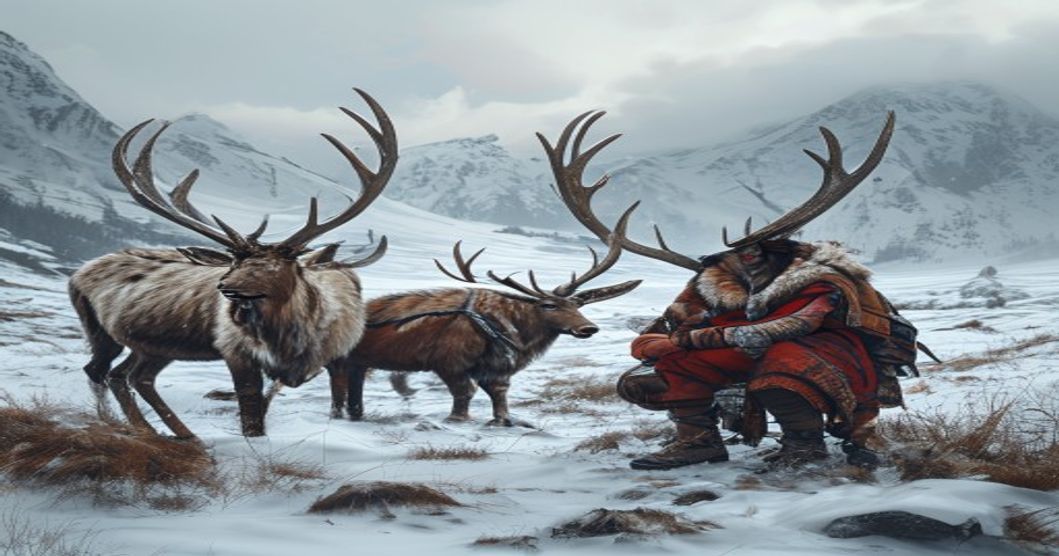
The Sami reindeer herders maintain a highly structured semi-nomadic lifestyle that has evolved over centuries across the Arctic regions of Norway, Sweden, Finland, and Russia. This pastoral system relies on precise ecological forecasting, where herd movements align with seasonal vegetation cycles, snow depth variations, and predator avoidance patterns. Unlike fully sedentary agriculture or purely wild-hunting practices, Sami reindeer husbandry requires continuous spatial mobility to prevent overgrazing and maintain soil regeneration. Historical land tenure agreements granted herding groups exclusive access to designated winter pastures, spring calving grounds, summer highland grazing zones, and autumn gathering corridors. These territorial divisions, known as siida systems, functioned as decentralized administrative units that coordinated resource allocation, conflict resolution, and communal labor distribution.
Seasonal Pasture Transitions and Landscape Navigation
Reindeer migration routes follow a predictable annual circuit dictated by botanical productivity and climatic thresholds. During spring, herds traverse from sheltered forest valleys to exposed coastal or alpine calving zones where early vegetation emergence provides critical nutrients for lactating females. Summer pastures shift toward elevated peatlands and birch forests that offer insect relief and protein-rich forage. Autumn involves controlled roundups at fixed collection points where cattle branding, culling, and trade occur before winter descent. Winter migrations target sheltered pine-birch transition zones and wind-scoured ridges where reindeer can dig through snow crusts to access lichen-dominated traditional pastures. Navigation relies on generational topographic memory, including markers like rock formations, river confluences, and historical fence alignments.
Cultural Frameworks and Traditional Knowledge Preservation
Sami culture surrounding reindeer herding operates as an integrated knowledge ecosystem where ecological observation, linguistic precision, and craft production intersect. The duodji tradition encompasses specialized toolmaking from antler, bone, and leather, optimized for extreme cold and high-mobility conditions. Vocal heritage manifests through joik, a melodic recitation style that encodes herd behavior, migration landmarks, and spiritual relationships with animal spirits. Language retention remains critical, as dozens of region-specific terms describe snow crystal types, reindeer gait patterns, ice stability indicators, and forage species. These lexical distinctions function as practical survival data rather than abstract vocabulary, enabling herders to make micro-decisions about herd routing during whiteout conditions or early thaw periods.
Reindeer Husbandry Methods and Herding Techniques
Modern traditional herding practices blend ancestral methods with regulated livestock management protocols. Branding systems use iron markers applied to ear notches that record lineage, ownership transfers, and mortality records. Training relies on selective imprinting of young calves to human handlers, followed by gradual exposure to dogs, vehicles, and acoustic signals. Herding dogs, typically bred from Nordic breeds like the Lapphund, execute precise flanking maneuvers to direct herd flow without causing stress-induced calving abandonment. Sled transport, snowshoe traversal, and all-terrain vehicle integration allow herders to monitor fence lines, repair drift barriers, and relocate temporary enclosures efficiently. Veterinary interventions prioritize natural immunity development through pasture rotation rather than chemical dependency.
Contemporary Pressures and Adaptive Resilience Strategies
Arctic climate change has disrupted historic migration synchrony by accelerating freeze-thaw cycles that create impassable ice layers over lichen beds. Commercial forestry, mining concessions, and renewable energy infrastructure fragment Sami reindeer herders grazing corridors, forcing longer detours and increased calving mortality. Legal disputes over land sovereignty frequently delay herd relocation permits, compounding economic vulnerability during lean forage years. Despite these stressors, herding communities have institutionalized adaptive frameworks including satellite tracking collars, drone-assisted pasture mapping, and cross-border cooperation agreements that standardize seasonal movement quotas.
Sustainable Heritage Management in a Shifting Arctic Environment
Intergenerational knowledge transfer now incorporates digital documentation alongside oral instruction, preserving route logs, weather correlation tables, and craft patterns in accessible archives. Policy advocacy groups leverage international indigenous rights frameworks to secure grazing corridor protections and dispute resolution mechanisms. Sustainable tourism integration provides supplementary income while enforcing strict visitor guidelines that prevent pasture degradation and cultural commodification. Herding cooperatives continue refining reindeer migration routes through data-driven pasture rotation models, ensuring that economic viability never supersedes ecological carrying capacity limits.
Frequently Asked Questions
What is Semi Nomadic Sami Reindeer Herders?
Semi-nomadic Sami reindeer herders are indigenous pastoralists primarily residing in northern Scandinavia and parts of Russia. They practice a seasonal migration pattern, moving their reindeer herds between coastal summer pastures and inland winter pastures to ensure the animals find adequate forage while preserving the tundra ecosystem.
Key facts about Semi Nomadic Sami Reindeer Herders
Key facts include their deep cultural connection to reindeer herding, which is central to their economy and identity; their use of traditional knowledge for navigation and animal management; their seasonal migration covering hundreds of kilometers annually; and their ongoing efforts to preserve their language, clothing, and livelihoods despite modern legal and environmental challenges.