The Mechanics of Vocal Suffrage in Colonial Assemblies
In colonial America, legislative and municipal decisions were frequently determined through voice voting, a procedural method where representatives or eligible citizens expressed their consent or dissent audibly. This practice, often referred to as acclamation, relied on the clarity of vocal projection rather than written records. Town hall meetings in New England and colonial assemblies in Virginia and Pennsylvania utilized this technique to expedite governance during periods of rapid settlement and limited administrative infrastructure.
Acclamation and Vocal Consent Procedures
The standard protocol required participants to verbally respond with “aye” or “no” when a motion was presented. Presiding officers, typically elected chairmen or appointed magistrates, estimated the outcome by gauging the volume and duration of each response. In formal legislative chambers, this process expanded into division voting, where supporters physically separated to opposite sides of the room to allow clerks to count heads. The accuracy of vocal consent depended heavily on spatial arrangement, acoustics, and the authority of the presiding figure.
Physical Positioning and Environmental Factors
Voting by voice was inherently sensitive to environmental conditions. Colonial meetinghouses featured high ceilings, wooden floors, and open layouts designed to amplify spoken words, ensuring that votes reached every attendee. Weather conditions, distance from the podium, and the presence of background noise could influence vocal clarity. Consequently, assemblies established strict rules regarding seating arrangements, with property owners and officeholders granted priority placement near the center to maximize audibility and procedural legitimacy.
Legal Frameworks Governing Vocal Electoral Processes
Colonial governments codified voice voting through statutory laws that defined eligibility, procedure, and dispute resolution. These legal frameworks established vocal suffrage as a formalized right for qualified voters while simultaneously creating mechanisms to challenge outcomes.
Statutory Regulations on Vocal Suffrage
Colonial charters and provincial acts explicitly outlined when voice voting was permissible versus when written ballots were mandated. For instance, Massachusetts Bay Colony regulations permitted vocal consent for local appointments and minor ordinances, while major fiscal measures required documented verification. Virginia’s House of Burgesses implemented strict rules requiring members to state their names aloud during vocal votes, creating a permanent public record that bound representatives to their declared positions.
Dispute Resolution and Vote Verification
When vocal results were contested, colonial assemblies employed tie-breaking mechanisms and clerical audits. In the event of an unclear voice count, presiding officers could order a physical division or mandate a show of hands. Legal statutes allowed voters to file formal objections within prescribed timeframes, triggering re-votes or committee investigations. These verification protocols minimized fraud but also entrenched the power of influential landowners who could sway outcomes through rhetorical dominance.
Social Dynamics and Demographic Constraints on Vocal Voting
The accessibility and fairness of voice voting were heavily restricted by colonial socio-economic hierarchies. While theoretically open to all eligible citizens, the practical execution of vocal suffrage reflected entrenched inequalities in property ownership, gender, race, and religious affiliation.
Property Requirements and Voting Eligibility
Voting rights were universally tied to landownership or tax payment thresholds across colonial jurisdictions. Only freeholders who met statutory wealth requirements could participate in vocal elections for provincial representatives or town selectmen. This economic barrier ensured that legislative decisions aligned with propertied interests, as non-landed laborers, indentured servants, and tenant farmers were systematically excluded from the vocal electoral process.
Gender, Race, and Religious Exclusions
Colonial voting laws explicitly barred women, enslaved individuals, Native Americans, and religious minorities from participating in voice-based elections. In New England, Puritan covenants restricted suffrage to church members who passed doctrinal examinations, while Southern colonies imposed racialized property qualifications that effectively eliminated Black voters despite occasional wealthy freeholders. These exclusions transformed vocal voting into an instrument of elite consolidation rather than broad democratic representation.
Transition from Voice Voting to Written Ballot Systems
As colonial populations grew and political factions intensified, the limitations of voice voting became increasingly apparent. The practice’s transparency, while intended to ensure accountability, facilitated coercion, public shaming, and electoral manipulation.
Colonial Reforms and Secret Ballot Advocacy
By the mid-eighteenth century, colonial reformers began advocating for written ballots to protect voter privacy and reduce intimidation. Provincial legislatures gradually mandated paper voting for state elections, parliamentary contests, and constitutional conventions. The adoption of the Australian ballot system in later decades directly addressed the
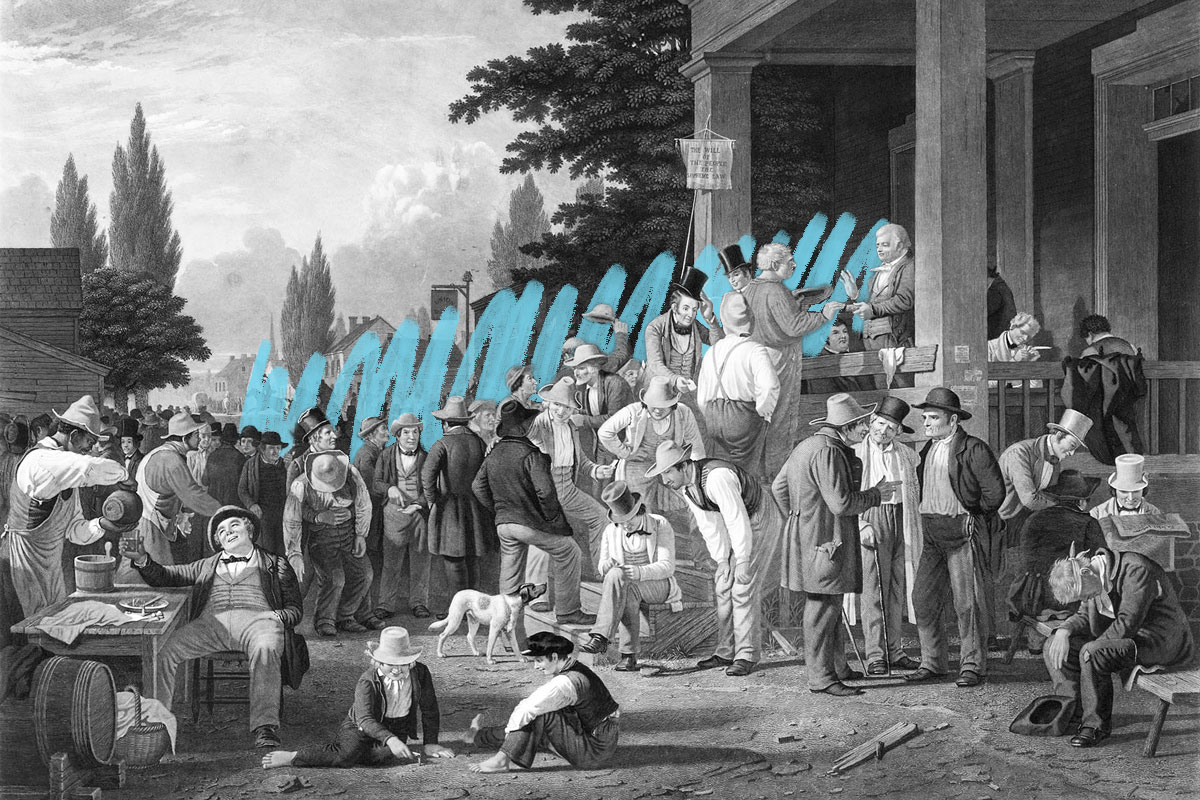
Just because colonial Americans were subject to taxation without representation doesn’t mean they never voted. Indeed, elections were often held to select local officials and members of colonial legislatures. Rather than paper ballots, however, colonists voted by voice in a practice known as “viva voce.” This being the past and all, voting machines were centuries away from being invented, and paper ballots, despite having been around since ancient times, had yet to be widely adopted in the American colonies. So voters would gather in a public venue and announce their choice out loud for all to hear.
Like most of the country’s early political traditions, viva voce came to America’s shores from the other side of the pond. It was the norm not only in Britain but also in the Netherlands, German provinces, and Scandinavia, eventually becoming law in six American colonies before also being adopted in Arkansas, Illinois, Kentucky, Missouri, Oregon, and Texas.
The public nature of viva voce was considered a feature rather than a bug because, as English philosopher and politician John Stuart Mill put it, “The voter is under an absolute moral obligation to consider the interest of the public, not his private advantage.” Old habits die hard, and viva voce persisted until the end of the 19th century. Fears that it was conducive to voter intimidation led to the current private ballot system, though not quickly. Five of the 33 U.S. states at the time still used viva voce in the 1850s, and nearly 10% of the votes in the 1860 presidential election won by Abraham Lincoln were cast by voice. The last holdout was Kentucky, which phased out the practice in 1891.