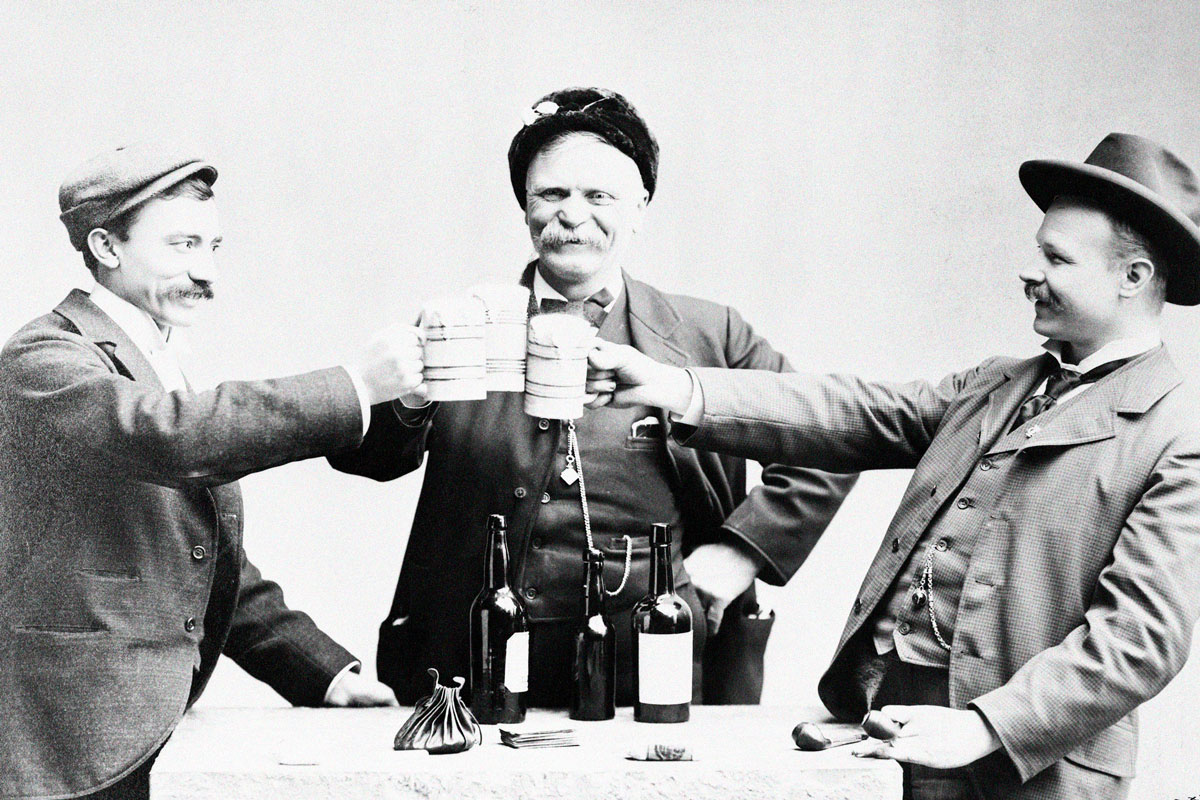
Few social rituals are as widespread or instinctive as clinking glasses after a toast. At weddings, dinners, and bars and pubs around the world, we reach across the table, touch glasses with a satisfying clink and a quick “cheers,” and take a sip. But where does this custom actually come from? Let’s take a look at the origins of this familiar custom, and try to sort the myth from reality.
The Poison Theory
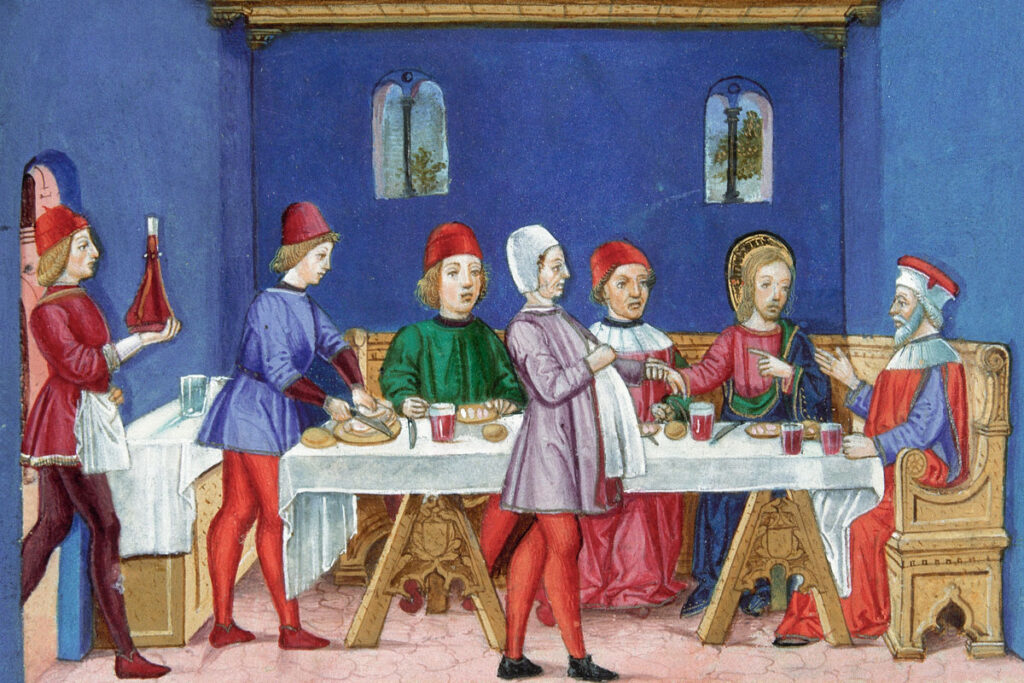
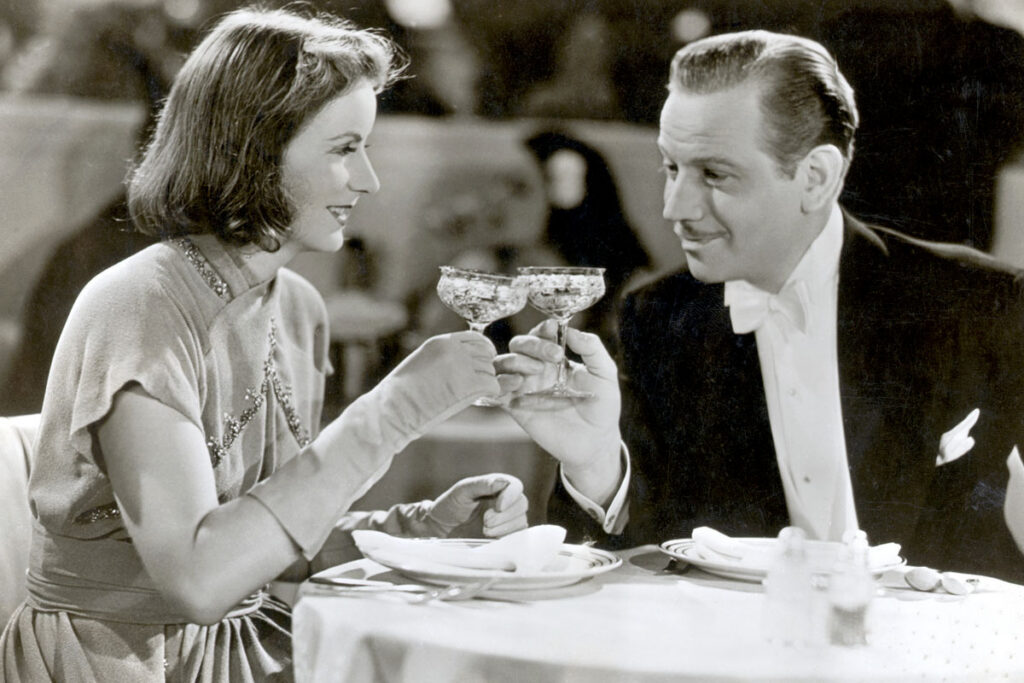
The most common origin story goes something like this: In medieval times, clinking cups or glasses hard enough would cause liquid to slosh and spill from one vessel into another, so if your drinking companion had poisoned your cup, they’d be consuming poison too. As such, the clinking was a way to show that no drinks had been spiked, whether with belladonna, hemlock, arsenic, mercury, or any other common toxin — poison being a popular way of eliminating one’s rivals in the Middle Ages, especially among the nobility.
Despite being widely repeated, this theory doesn’t make much sense if you think about it — and, indeed, it’s almost certainly not true. Both Snopes and Ripley’s have debunked the theory, concluding that all versions of this explanation are false. The logistics alone are problematic. Even if a cup or glass were filled to the brim — which in many cases it would not be — most of the clinking spillage would land on the floor, not in your companion’s cup. And if some drops of ale- or wine-diluted poison did enter, would it be enough to cause much harm? Perhaps not.
What’s more, as Snopes points out, the practice of toasting to someone’s health dates back to the ancient world at least — well before individual glasses were common. In those times, everyone typically drank using shared vessels, rather than carrying around their own glass or cup. Producing your own private drinking vessel at a communal table would likely raise suspicion, rather than guard against it.
— advertisement —
Other Clinking Theories
One alternative theory, of no precise origin, suggests that clinking glasses was meant to frighten away evil spirits. In medieval Europe, there was a superstitious belief that evil spirits lurked in alcohol or hovered around celebrations. The high-pitched sound of touching glasses, according to the theory, would chase them away. It’s a nice idea, and there may be some truth to the story, but there’s scant evidence to support it being the sole, or even partial, origin of this toast ritual.
Another theory suggests the practice was a way to complete the sensory experience of drinking. Sipping wine and toasting already involved sight, touch, smell, and taste — and the clink added sound, the last of the five senses. Historian Margaret Visser argues that clinking grew in popularity during the 17th century, when Venetian glassmakers perfected the art of clear, resonant crystal. For the first time, drinking vessels produced a beautiful ringing tone when struck together, and that sensory pleasure became part of the ritual.
— advertisement —
The Bottom Line
The most accurate answer to why we clink glasses is also the least satisfying: Nobody really knows for sure. The toasting of someone’s health is an ancient ritual, rooted in Greek and Roman drinking culture and quite likely long before — and these ancient civilizations may well have knocked their mugs and cups together in rowdy celebration or solemn toasts.
The more delicate clink likely became fashionable in the 17th century, when new glassware made the sound more appealing — and possibly because it gave people a way to maintain the communal spirit of shared drinking in an age of individual cups. The one thing that seems almost certain is that the poison theory holds no water, let alone any wine. Despite being the most widespread theory — repeated at dinner tables and now online — it is almost certainly a myth.