

- Home
- •
- That
That
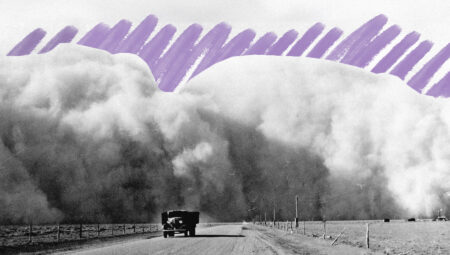
How Dust Bowl Storms Turned Boston’s Snow Red
The Dust Bowl wasn’t entirely confined to the actual Dust Bowl states. Oklahoma, Texas, Kansas, Colorado, and New Mexico were certainly the most affected by the extreme drought that ravaged the Great Plains in the 1930s, a natural disaster that followed overcultivation and proved disastrous for both the land and the people living on it. But some of the dust storms that resulted were so extreme that their clouds reached cities more than 1,500 miles away on the East Coast. Boston, Massachusetts, even saw red snow due to red clay soil becoming concentrated in the atmosphere. One of the worst storms hit the Great Plains region on April 14, 1935, which became known as Black Sunday. What started as a sunny morning quickly turned into an oppressive haze that dropped temperatures more than 25 degrees in an hour and turned the sky black. …Read More
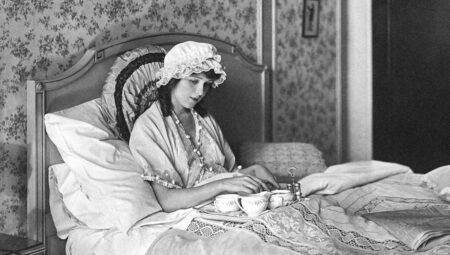
Why Did People Wear Sleeping Caps?
If you picture bedtime a few centuries ago, you might imagine a candle flickering low, a heavy bed curtain drawn tight, and a soft cap pulled snugly over the sleeper’s head. Nightcaps show up so often in early modern portraits and literature that they can feel like a quaint cliché. But for the people who wore them, these caps served practical, medical, and even social purposes. They were, in short, small garments with a surprisingly large job. Here’s a look at why they were worn. Keeping Warm in a Cold World One of the simplest reasons for nightcaps is also one of the most important: warmth. Before the widespread use of central heating, homes were notoriously cold at night. Even well-to-do households relied on fireplaces that burned down after bedtime, leaving rooms chilly by morning. Drafts slipped through ill-fitting windows and doors, and …Read More
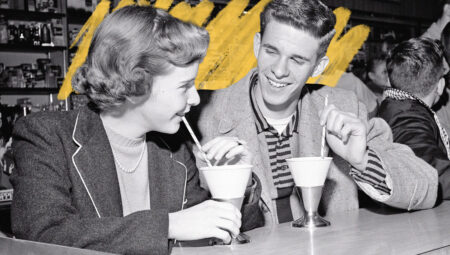
Why Teenagers Didn’t Exist Until the 20th Century
For most of human history, you were either a child or an adult. The word “teenager” first entered the lexicon in 1913, appropriately enough, but it wasn’t until decades later that it took on its current significance. The ages spanning 13 to 19 are formative no matter what you call them, but three developments in the mid-20th century had a major influence on the creation of the modern teenager. The first was the move toward compulsory education, which got adolescents out of farms and factories and into high school, where they spent more time among their peers. The second was the economic boom that followed World War II, which created a new, highly sought-after demographic for companies and advertisers. And the third was the widespread adoption of cars among American families, which afforded 16-year-olds unprecedented independence. Because one generation criticizing — and, to …Read More

5 Inventions That Came Out of the Great Depression
Some inventions were successful specifically because of the economic downturn; for others, success came in spite of the crisis.
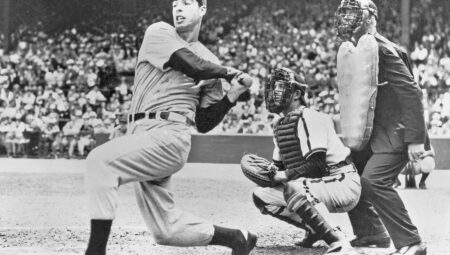
Unforgettable Moments in Baseball History
From the rigging of the World Series to Willie Mays’ unforgettable catch, here are seven major moments in the history of baseball.
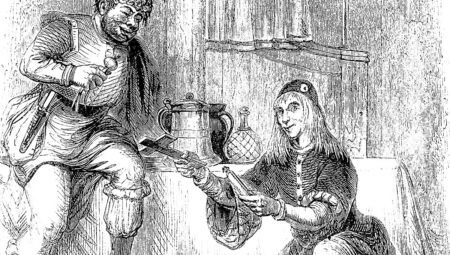
The Weirdest Jobs From the Middle Ages
Falling between the heyday of the Western Roman Empire and the onset of the Renaissance, the Middle Ages have an unflattering reputation as something of a backward epoch of human civilization. Wars raged across Europe, serfs toiled in backbreaking service to feudal lords, and diseases wiped out villages with little hope of preventing the next outbreak. While the negative connotations may not be entirely fair, few would dispute that medieval citizens lived in more primitive conditions than their modern counterparts, and that the day-to-day necessities for survival were markedly different. As such, the era produced certain professions that filled important needs of the time but seem quite unusual in hindsight. Here are six of the strangest. Rat Catcher Although the widespread belief that rats were the main carriers of the bubonic plague has largely been debunked, these critters nevertheless did spread disease in …Read More