Falling between the heyday of the Western Roman Empire and the onset of the Renaissance, the Middle Ages have an unflattering reputation as something of a backward epoch of human civilization. Wars raged across Europe, serfs toiled in backbreaking service to feudal lords, and diseases wiped out villages with little hope of preventing the next outbreak.
While the negative connotations may not be entirely fair, few would dispute that medieval citizens lived in more primitive conditions than their modern counterparts, and that the day-to-day necessities for survival were markedly different. As such, the era produced certain professions that filled important needs of the time but seem quite unusual in hindsight. Here are six of the strangest.
Rat Catcher
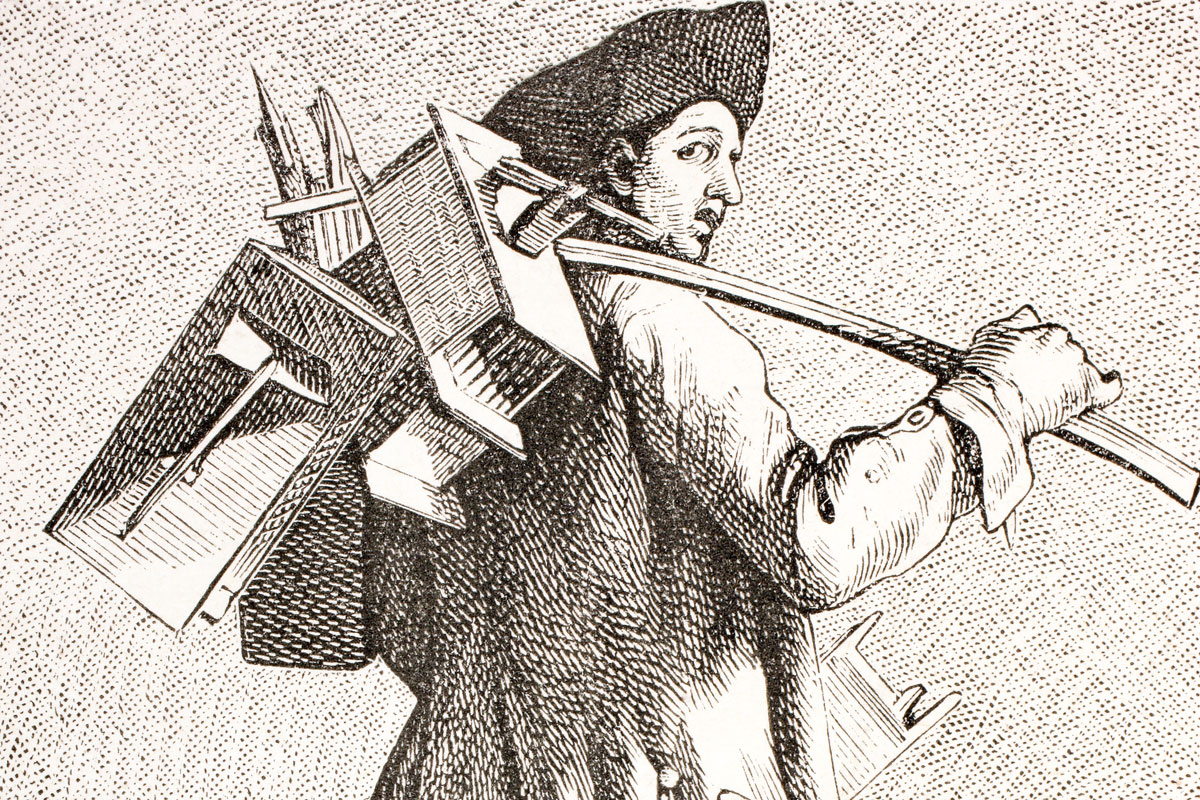
Although the widespread belief that rats were the main carriers of the bubonic plague has largely been debunked, these critters nevertheless did spread disease in medieval urban centers and otherwise proved legitimate pests by feasting on food supplies. Thus gave rise to the era’s version of the exterminator, the rat catcher.
Known to travel from town to town with a few of their rodent victims suspended from a stick, skilled rat catchers deployed methods that included setting traps in infested areas and unleashing dogs or ferrets on their quick-footed targets. It’s worth noting that while rat catchers were in demand in the Middle Ages, the profession reached its pinnacle in the crowded streets of Victorian London, with practitioners such as Jack Black achieving renown for their prowess in the field.
— advertisement —
Crane Treadwheel Operator
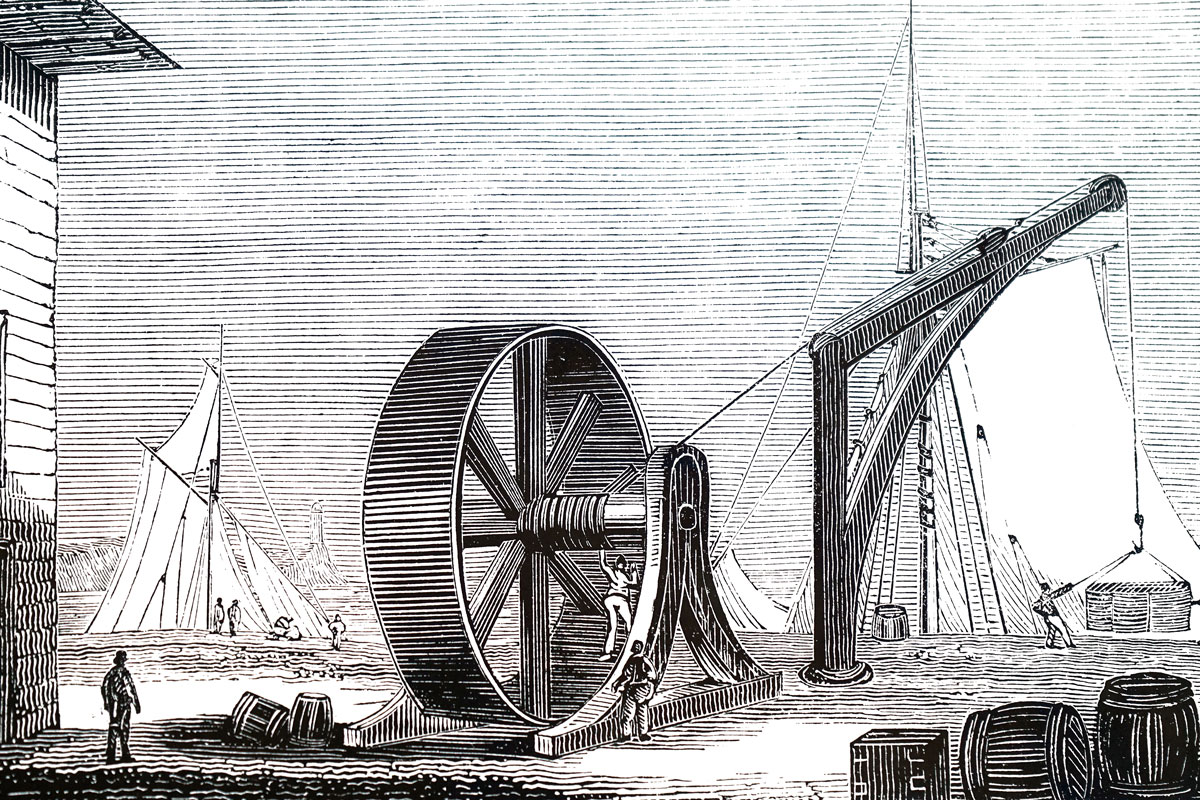
Regularly used by the Romans before fading from the public record, the treadwheel crane enjoyed a revival during the Middle Ages as a means for constructing the magnificent cathedrals and palaces that still mark the European landscape today. This device was operated by one or two people walking in what was essentially a giant hamster wheel, with a rope that wound around the wheel axle used to lift stone blocks weighing thousands of pounds.
Contrary to what may seem intuitive, the job of the treadwheel worker was not as physically taxing as, say, that of the hod carrier who bore heavy loads as they scaled the scaffolding of a developing structure. Furthermore, this particular task provided a source of employment for blind people, who wouldn’t be spooked by working at the great heights these cranes sometimes reached. Nevertheless, the heavy wheel could be difficult to control, and serious injury could result if it malfunctioned or the operator had the misfortune of losing their balance.
— advertisement —
Pardoner
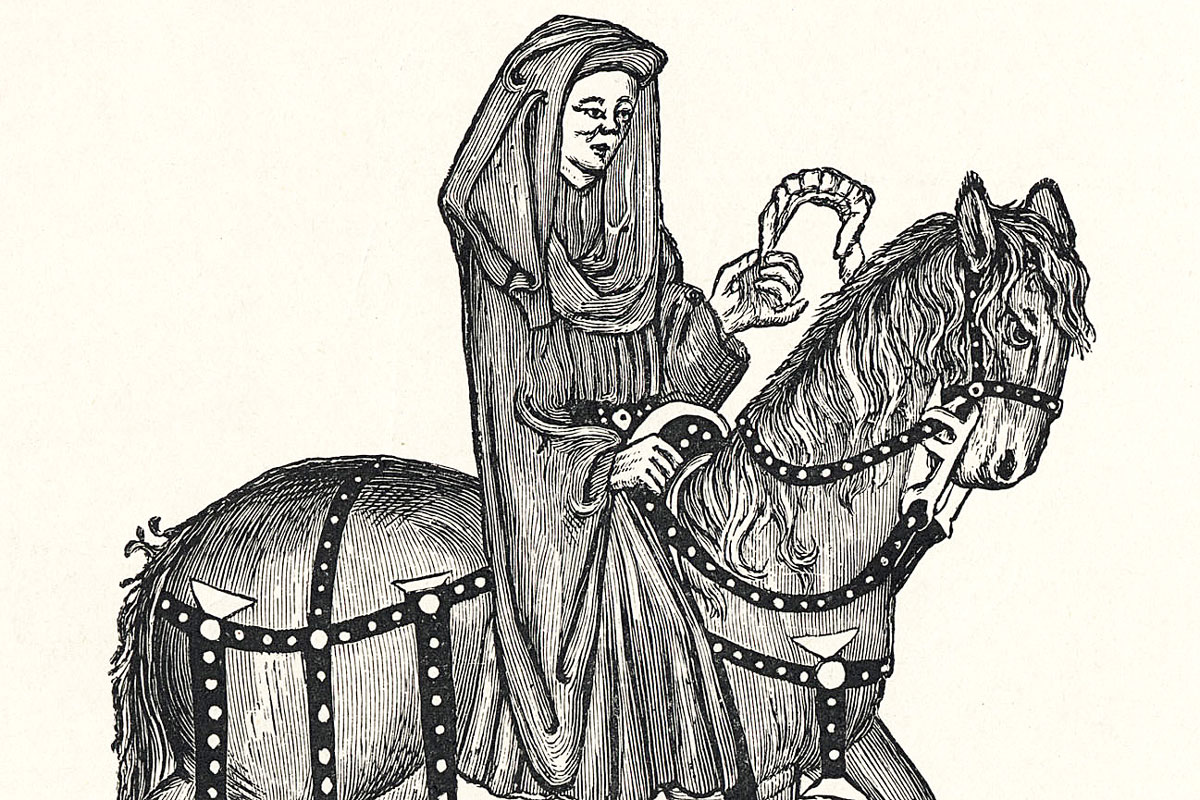
Leveraging the concept of indulgences, in which a practitioner of Catholicism receives a lesser punishment for sins by demonstrating acts of atonement or providing a monetary donation, the medieval Catholic Church began assigning pardoners to essentially serve as door-to-door salesmen of these spiritual boosters. While this arrangement suited the needs of both parish and parishioners, it also enabled a system in which corrupt officials and frauds padded their pockets by doling out as many indulgences as possible.
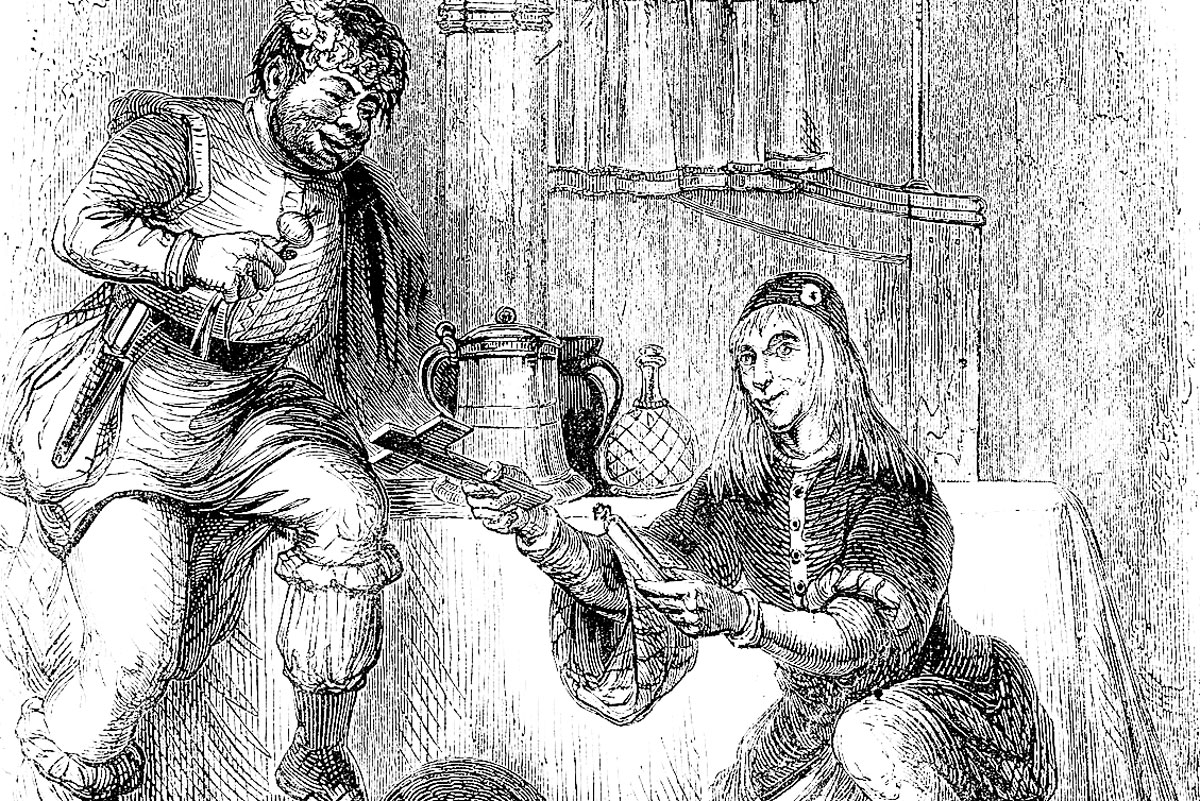
The infamy of this profession prompted Geoffrey Chaucer to write about its contradictions in a chapter in The Canterbury Tales, and reformist Martin Luther later decried the system as a basis of his Ninety-five Theses. It would be a half-century, however, before Pope Pius V eliminated the job market for pardoners by abolishing the sale of indulgences for good in 1567.
Barber-Surgeon
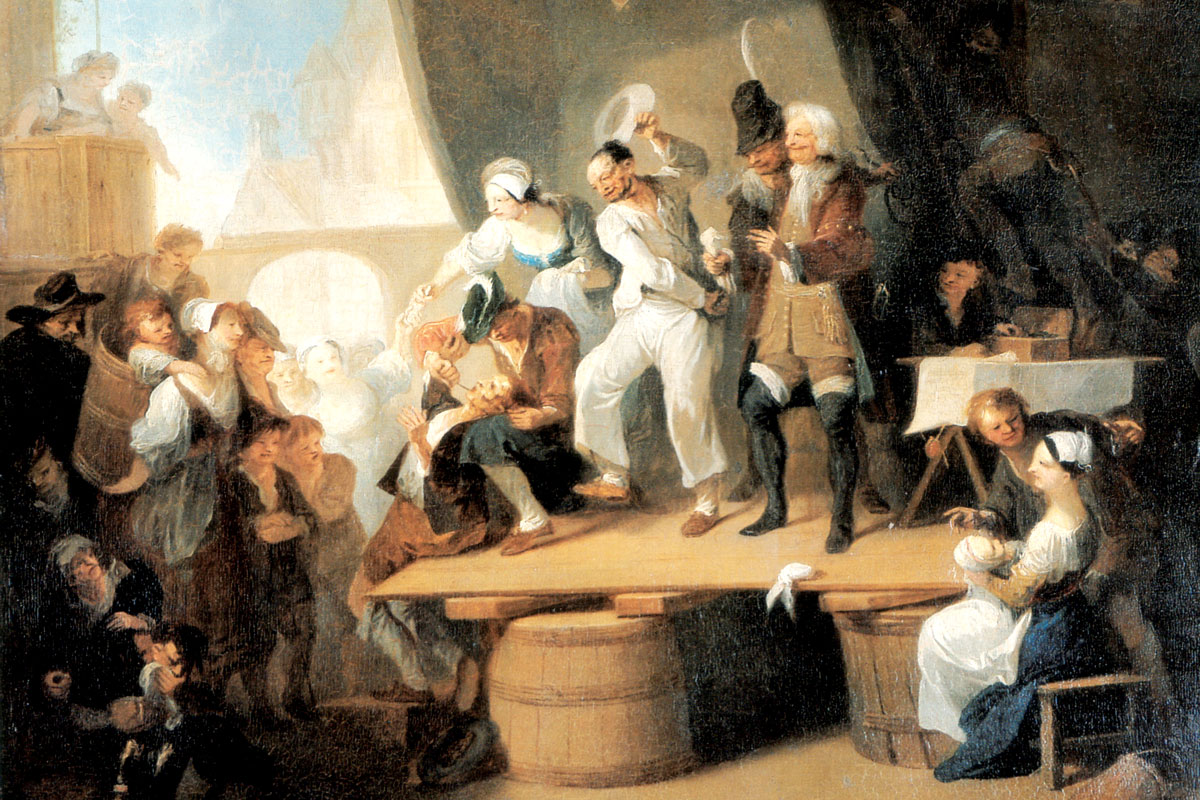
While the medieval period didn’t offer its inhabitants anything close to the one-stop shopping options of the internet age, it at least provided a convenient solution for those in dire need of simultaneously dealing with a toothache and getting a haircut. The emergence of the barber-surgeon came about after clerics, who handled an array of surgical and medical procedures by the early Middle Ages, were forbidden from drawing blood by the Fourth Lateran Council of 1215. Barbers were trained to pick up the slack due to their experiences with razors, and many became adept at bloodletting, pulling teeth, and even amputation. The proliferation of these practitioners led to the formation of England’s barber-surgeon trade guild in 1540, although the special skills required by the medical side of the profession resulted in the separation of these titles by the early 1800s.
— advertisement —
Fuller
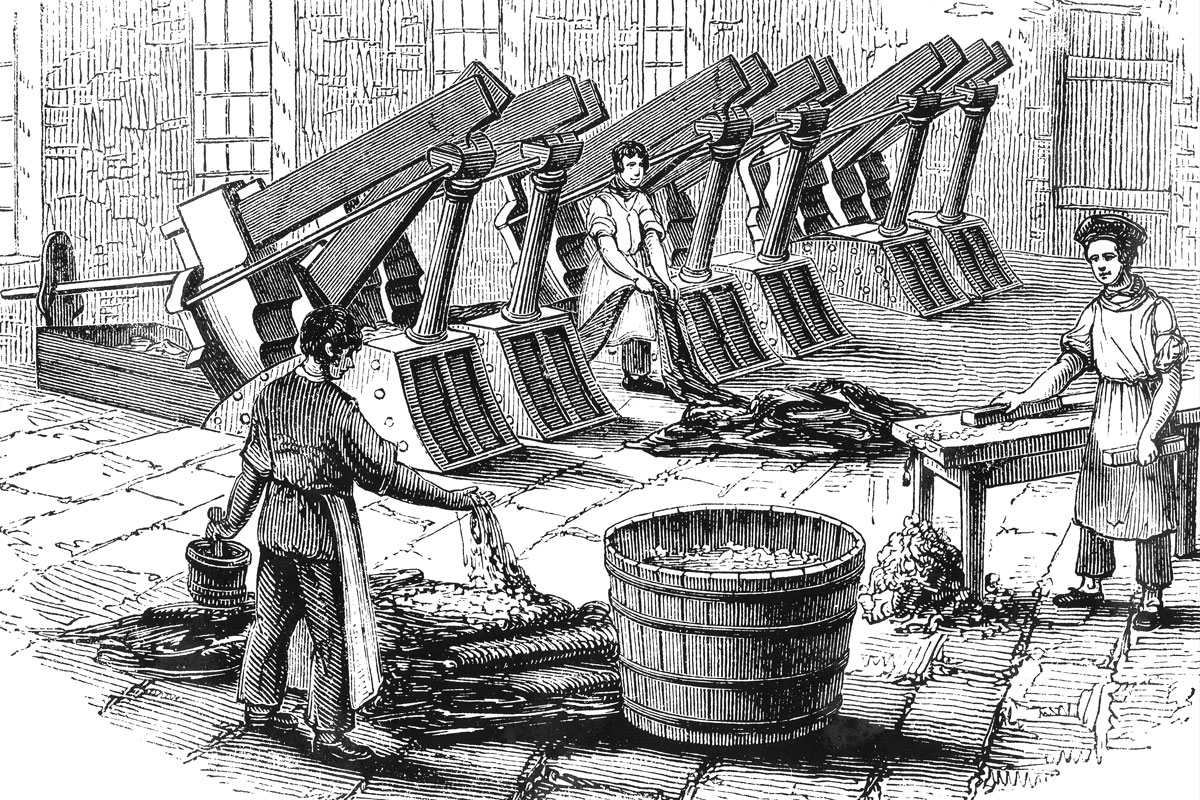
“Fulling” is the process by which cloth fibers are condensed and strengthened for transformation into wearable garments, a practice that dates back to at least ancient Egypt and remains in use today. Although it generally involves the folding and mashing of cloth in a soapy liquid, the medieval means for undertaking this activity were somewhat less benign. A medieval fuller was required to stomp around on a cloth pile submerged in a vat of stale urine, which was deemed the rinsing liquid of choice due to its high levels of ammonium salts being ideal for removing grease and softening the fabric. Since the process could take several hours, that meant an extended period of time huffing and puffing and breathing in the fumes from the bodily waste splashing about below.
Flatulist
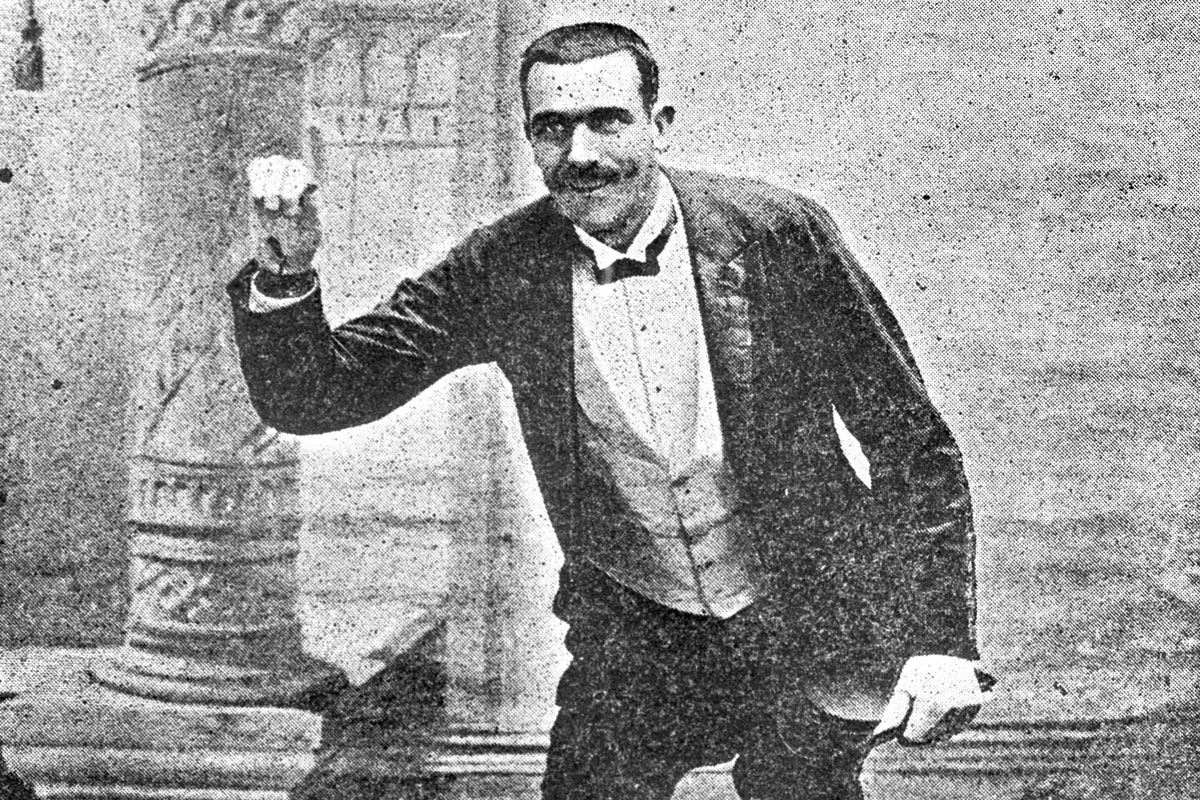
A medieval court could be entertained by an array of jesters, jugglers, and acrobats, but nestled under that general umbrella of entertainers was a subset of performers who earned a living by breaking wind. Such was the case with an English gentleman known as Roland the Farter, who, according to the 13th-century Liber Feodorum (Book of Fees), regularly performed a dance at King Henry II’s annual Christmas pageant that ended with the delivery of “one jump, one whistle, and one fart.”
Roland was rewarded handsomely for his proclivities, receiving a manor in Suffolk and up to 100 acres of land. But lest you think this was just one individual with a distinctly unique skill set, there are also records of a contemporary collection of flatulists, known as braigetori, who were enjoying similar acclaim in Ireland. Indeed, this was a profession that endured even as the Middle Ages gave way to the high-minded civilizations that followed. Joseph Pujol became a celebrity in France in the late 19th and early 20th centuries for his riotous rear-end performances under the moniker of Le Pétomane, while Paul Oldfield, aka Mr. Methane, recently farted his way into Guinness World Records for his lengthy career in the field.