The Evolutionary Leap: Genetics and the Domestication of Milk-Producing Animals
The history of dairy begins not with agriculture, but with a profound genetic adaptation that allowed humans to survive past infancy on animal milk. For millennia, adult humans lacked the enzyme lactase, making milk consumption physiologically impossible without severe digestive distress. The emergence of lactase persistence, driven by mutations in the LCT gene, fundamentally altered human dietary trajectories. Archaeogenetic studies confirm that these mutations first appeared in pastoralist populations across Europe and East Africa between 7,500 and 10,000 years ago, coinciding precisely with the domestication of milk-producing animals such as cattle, goats, and sheep.
The LCT Gene Mutation and Lactase Persistence
Scientific consensus identifies multiple independent genetic variants that sustain lactase production into adulthood. In West Eurasia, the C/T-13910 variant dominates, while distinct mutations like G/-22018 and -14010 G/C appear in East African pastoralist groups. This evolutionary co-adaptation demonstrates how cultural practices directly shaped human biology. Populations with long-standing traditions of cattle herding experienced intense selective pressure, as milk provided a reliable source of hydration, calories, and calcium during agricultural famines or droughts.
Early Animal Domestication in the Fertile Crescent
The transition from wild aurochs to domesticated Bos taurus occurred across multiple Neolithic sites, including Çatalhöyük and Abu Hureyra. Lipid residue analysis on ancient pottery shards reveals that early farmers initially processed milk into cheese and yogurt to reduce lactose content, effectively bypassing digestive limitations while preserving nutritional value. These ancient dairy processing techniques enabled the safe consumption of surplus milk, transforming it from a seasonal resource into a dietary staple.
Ancient Civilizations and the Institutionalization of Milk Consumption
As pastoral societies expanded, milk transitioned from a subsistence food to a cornerstone of economic and cultural systems. The historical consumption of milk became deeply embedded in trade networks, religious rituals, and early nutritional frameworks across Mesopotamia, Egypt, and the Indus Valley.
Mesopotamia, Egypt, and the Indus Valley
Cuneiform tablets from Sumer document cattle herding quotas and dairy allocations for temple economies. In ancient Egypt, milk featured in burial offerings and medical papyri, where physicians prescribed it for gastrointestinal ailments. The Indus Valley Civilization utilized advanced
Humans once treated animal milk with skepticism. Early on, most people couldn’t digest it, and domesticated mammals were a relatively new presence in the landscape. Yet a dramatic shift began to unfold when and where people started to keep livestock not just for meat or hides, but for milk as well. Around 10,000 BCE, communities in the hills of what is now Turkey were transitioning from hunting to farming, laying the groundwork for animal domestication — first sheep and goats, then cattle between 8000 and 7500 BCE. This shift made dairy production feasible and gradual evidence of it began to appear in the pottery of the era.
Analytical work on ancient pottery has uncovered traces of milk fats, suggesting that dairy appeared in meals or rituals at least 7,000 to 9,000 years ago. Some scholars argue that these residues could reflect ritual practices rather than daily consumption, a possibility debated among historians.
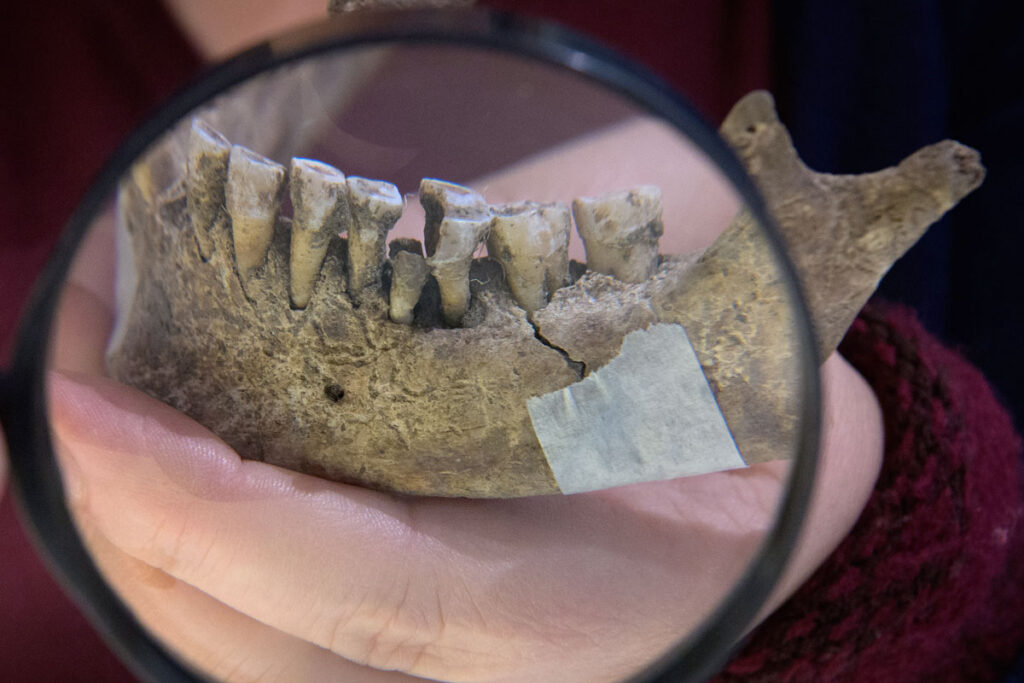
Dairying’s earliest direct signal came from dental plaque analysis. In 2019, researchers studying Neolithic Britons found milk residues from cows, sheep, and goats dating roughly 6,000 years ago. Bronze Age communities continued this pattern, but the big constraint remained: many people were lactose intolerant. Fresh milk could provoke digestive distress, so it seems much of early dairy likely took the form of cheese or yogurt, products with far less lactose. Yet lactase persistence began to appear in certain populations, enabling adults to digest milk without trouble.
The genetic emergence of lactase persistence, estimated around 8,000 years ago, likely spread from groups already consuming fresh milk. The spread was most pronounced in Northern Europe, where cooler climates and longer growing seasons made milk a dependable resource. Cattle outpaced other livestock in providing a reliable supply, and in cooler regions milk stayed usable longer, supporting continued intake. Drinking milk thus became more than a dietary choice; it marked a broader societal shift, with taller, heavier populations and improved famine resilience among those who could digest lactose as adults.
Despite these advantages, milk drinking was never uniform. Across many early societies, cheese and yogurt remained common forms of dairy, partly due to lactose content. Even today, lactose intolerance persists across various populations, underscoring that the broad practice of adult milk consumption is a relatively recent and uneven development in human history.