Imagine sitting in a warm hut, surrounded by snow-covered landscapes, as an elder weaves intricate tales of the past. These stories, steeped in tradition, are like breadcrumbs leading the younger generations through the rich tapestry of Sami heritage. They preserve the wisdom of ancestors and impart essential life lessons, like the importance of harmony with nature. It’s as if every story holds a piece of the universe, connecting the teller to the listener and to the land itself.
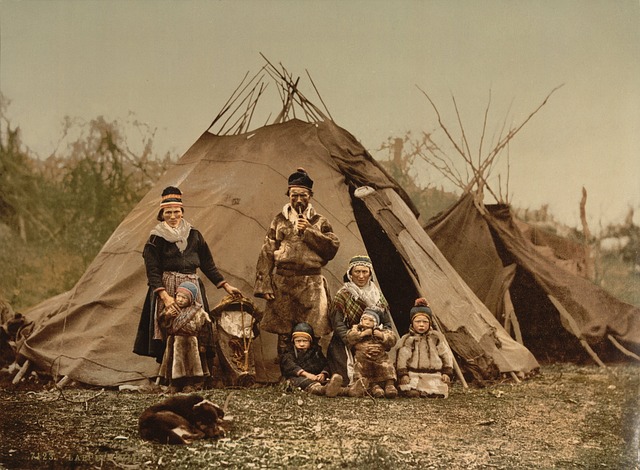
Moreover, storytelling in Sami culture serves as a compass, guiding their values and beliefs. Think of it as a map where each tale unveils the path of respect and coexistence with the Arctic environment. The Sami people have always lived in tune with the natural rhythms, and their stories reflect this deep bond. It’s through these narratives that cultural secrets, such as reindeer herding techniques and seasonal changes, are passed down, ensuring their way of life doesn’t fade into oblivion.
But it’s not just about the past; storytelling is a living, breathing art. Modern Sami artists draw upon traditional narratives, blending them with contemporary issues, creating a thrilling dialogue between the old and the new. This vibrant exchange not only enriches their culture but also showcases Sami voices on a global stage, inviting us all to listen and learn.
So, next time you hear a story, remember: it could be the key to understanding a culture or bridging gaps between worlds. Each tale isn’t just told; it lives and breathes, echoing the heartbeat of a community.
Weaving History: The Role of Storytelling in Preserving Sami Cultural Identity
Think of storytelling as a time machine. It transports listeners through centuries, illuminating a past filled with rich traditions, struggles, and triumphs. Sami elders often recount experiences of reindeer herding, singing joiks — a unique form of song — and practicing age-old customs. Each tale sounds like a note in a larger symphony, reinforcing connections and reminding younger generations of who they are. Isn’t that fascinating? These stories aren’t merely relics; they act as a bridge connecting the Sami to their roots, enhancing their pride and sense of belonging.
But the importance of storytelling reaches beyond just preserving history; it also cultivates resilience. In a world that constantly pushes for homogenization, the Sami fight back through their narratives, declaring, “We exist, and our stories matter.” When the younger generations listen and share these tales, they become active participants in reviving their heritage, ensuring that even in a fast-paced society, the heart of Sami culture continues to beat strongly.
So next time you hear a story, remember: it’s more than just words; it’s a promise kept, a lifeline of identity woven through the fabric of time. The Sami know this better than anyone, turning every tale into a powerful reminder of who they are and where they come from.
Voices of the Past: How Sami Storytelling Shapes Community and Connection
So, what makes these stories so powerful? For the Sami people, their narrative tradition is like an ancient map, guiding them through the complexities of their history, values, and connection to nature. Each story carries lessons passed down from ancestors, teaching respect for the land and the importance of community ties. When you hear a Sami tale, you’re not just a passive listener; you’re drawn into a world where every character, every struggle, reflects shared experiences and collective wisdom.
Think of it as the strings of a traditional Sami drum, each vibration echoing the heartbeat of the community. Through stories, the Sami explore themes of resilience, love, and the deep bond with the Arctic landscape. It’s deeply engaging—imagine discussing these narratives over a cup of coffee with friends, discovering intertwined paths of life that resonate with your own.
What’s even more astounding is how storytelling fosters connection. In a rapidly changing world, these tales provide a comforting sense of belonging. When community members gather to share stories, it’s more than just recalling events; it’s about affirming identities. Each tale reinvigorates the bonds between young and old, reminding them they are part of something grander.
Legends of the Land: Exploring the Spiritual Significance of Sami Narratives
The Sami narratives are embedded with profound spiritual significance. Each tale serves as a bridge, connecting the physical world to the spiritual realm. Picture a majestic reindeer galloping through the snowy landscape—this is not just a creature but a symbol of endurance and vitality. Stories about these iconic animals reveal lessons about survival and respect for nature that resonate deeply within the Sami community.

Have you ever heard of the mythical figure, the ‘Bieggolmmái’? This spirit, who shapes the wind and storms, embodies the forces of nature. The Sami don’t just view the landscape as a backdrop; they see it as alive and teeming with personalities. When they narrate the struggles or triumphs of these spirits, they’re expressing a relationship that goes beyond mere coexistence.
Moreover, each Sami narrative is a reminder of the interconnectedness of all living things. Just like our experiences, their stories are layered; they often mirror life’s complexities. As they gather around a fire, the flickering flames become the heartbeat of the stories, drawing listeners into a vibrant world filled with wonder and wisdom.
From Generations to Gatherings: The Impact of Oral Tradition in Sami Life
Oral tradition is more than storytelling; it’s a lifeline connecting the past to the present. Picture it as a sturdy bridge where knowledge, wisdom, and experiences traverse across time. The Sami, traditionally a nomadic people, relied on these tales not just for entertainment but to impart essential lessons about survival, nature, and community values. In a world where written language is dominant, the Sami have thrived through spoken word, transforming each tale into a living, breathing entity.
Have you ever noticed how stories carry emotions? It’s as if they wrap around us like a comforting blanket, igniting curiosity and understanding. The Sami’s use of oral traditions plays a crucial role in identity formation. For them, it’s not merely about relaying events; it’s about instilling pride and a sense of belonging in the younger generations. As they recount hunting expeditions or seasonal migrations, they aren’t just sharing facts—they’re handing down treasured memories and cultural values.
Moreover, the Sami oral tradition serves as a reservoir of knowledge regarding their environment. With each tale about the reindeer or the northern lights, the vibrant interplay of culture and nature unfolds. It’s like a treasure map leading the listener through the intricacies of their heritage. So, the next time you hear a story under the stars, remember it could be a timeless echo of laughter, struggle, and resilience—a living testament to the impact of oral tradition in Sami life.
Tales of Resilience: Storytelling as a Tool for Cultural Survival in Sami Society
Why do these stories matter so much? Well, think of them as the roots of a tree. Just like roots nurture a tree, these narratives sustain the Sami culture, grounding people in their history, traditions, and values. Each tale is a thread that connects the past to the present, teaching lessons of perseverance and respect for nature. It’s a way to keep the spirit of their ancestors alive, ensuring that the knowledge of reindeer herding, traditional music, and handicrafts thrive in the hearts of younger generations.
Have you ever noticed how a good story can transport you to another world? For the Sami, stories do more than just entertain; they embody the struggle against colonization, climate change, and the slow erosion of their lands. Through storytelling, they reclaim their narrative, emphasizing their right to exist and thrive in a rapidly changing world. It’s like holding a mirror to society, reflecting the importance of cultural diversity and the strength found in unity.
Frequently Asked Questions
In What Ways Do Sami Stories Foster Community?
Sami stories play a crucial role in fostering community by preserving cultural heritage, promoting shared values, and strengthening social bonds. Through storytelling, these narratives transmit important traditions, instill a sense of identity, and encourage collaborative relationships among community members, ultimately enhancing the fabric of Sami society.
What Themes Are Commonly Found in Sami Stories?
Sami stories often explore themes of nature, connection to the land, spirituality, and the relationship between humans and animals. They frequently highlight the importance of community, tradition, and cultural identity, reflecting the values and beliefs of the Sami people.
Why Is Storytelling Essential in Sami Culture?
Storytelling is a vital tradition that preserves the history, values, and identity of the Sami people. It serves as a means of transmitting knowledge and cultural heritage across generations, fostering community bonds and understanding of the natural world. Through narratives, the Sami share lessons, beliefs, and experiences that reinforce their way of life.
How Does Storytelling Preserve Sami Heritage?
Storytelling is a vital practice for preserving Sami heritage, as it conveys cultural values, traditions, and historical narratives. Through oral stories, the Sami community shares knowledge about their relationship with nature, ancestral practices, and social morals, ensuring the continuity of their identity across generations. This method fosters a sense of belonging and cultural pride, while also educating others about Sami history and perspectives.
How Is Storytelling Passed Down Through Generations in Sami Culture?
In Sami culture, storytelling is an essential way to preserve history, traditions, and values across generations. Oral narratives, often shared during gatherings, serve as a medium for passing down knowledge about nature, folklore, and ancestral wisdom. Elders play a key role in this transmission, using engaging tales to teach younger generations about their identity and culture. Storytelling not only strengthens community bonds but also ensures the continuity of Sami heritage.