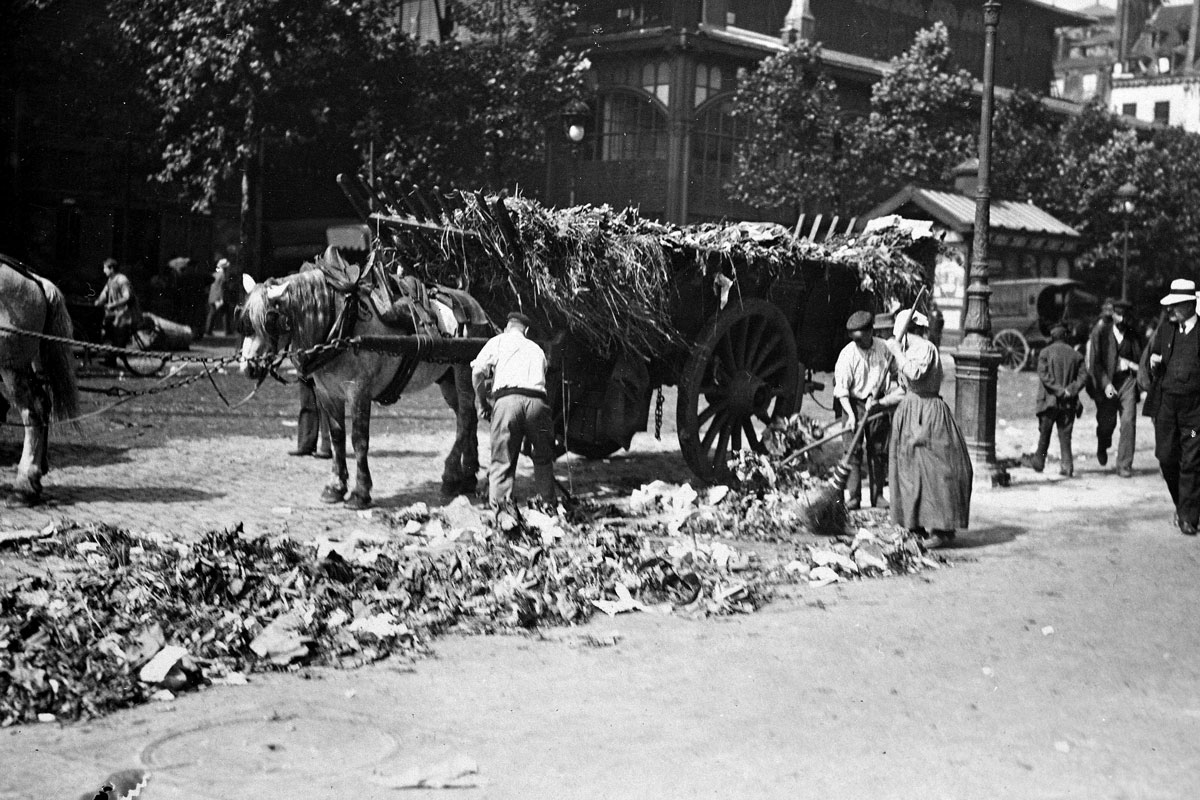
Long before modern curbside service, people faced the same basic question: what to do with leftovers, scraps, and discarded items. Across ancient cities, the answers varied as much as the cultures themselves, yet shared a jumble of clever workarounds and messy realities. Waste often ended up in alleys, beneath houses, or even reshaping the landscape itself. In many cases, what we call garbage was treated as a resource awaiting reuse. Here’s a closer look at how early societies navigated their refuse.
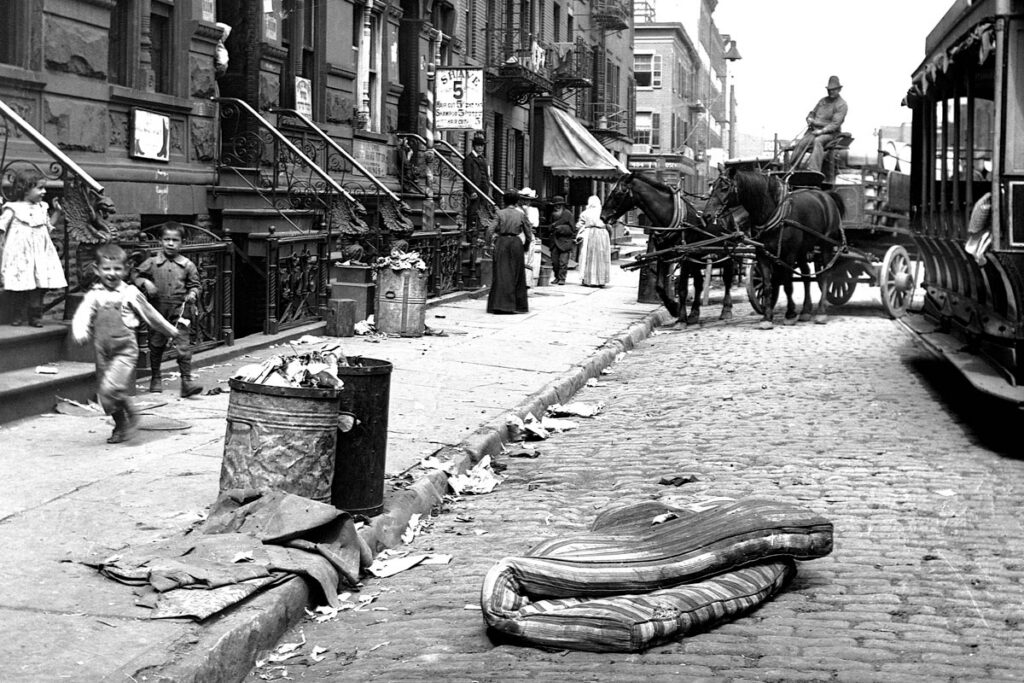
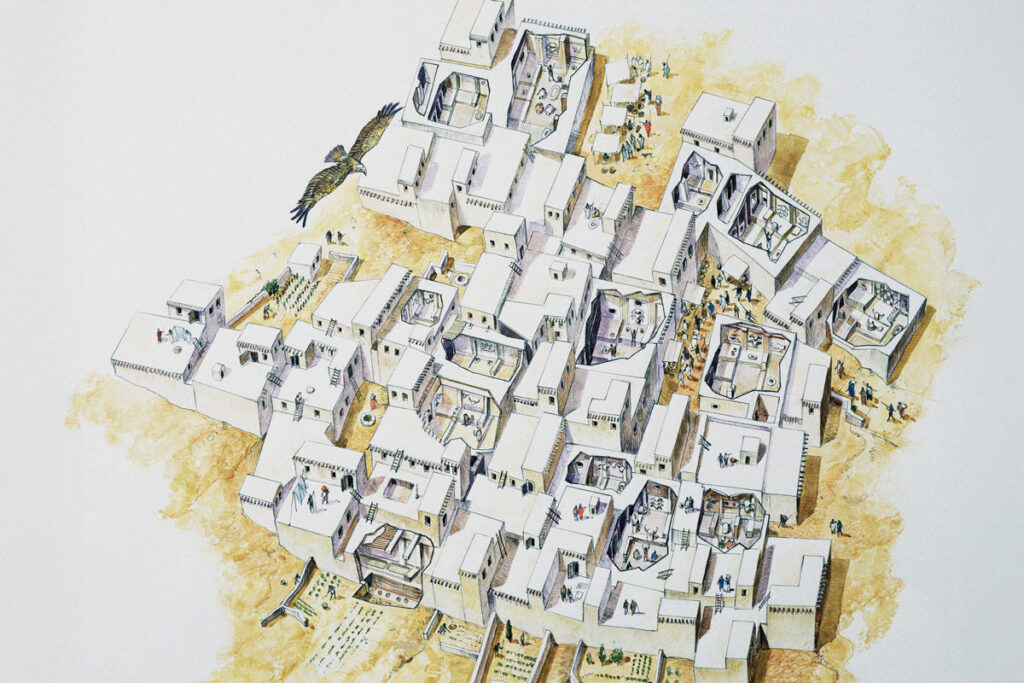
We Built This City on … Garbage? A recurring pattern was simply tossing trash right outside the door. In Sumer around 2500 BCE, waste was routinely dumped into narrow lanes. Municipal workers tamped it down with ash and sand, but piles kept growing, gradually lifting street levels and forcing steps for inhabitants to access homes below the new surfaces. Across the ancient world, debris accumulated in layers that formed tell mounds or middens—visible records of past settlements. In Çatalhöyük, a Neolithic town in modern Turkey, discarded scraps—food remnants, ash, broken tools, even human waste—collected between buildings, over time sealing spaces and lifting the settlement into a rising mound. The site today is often cited as one of the world’s oldest landfill landscapes.
The First Dumps
As cities expanded, people began pushing waste farther from living spaces. By around 500 BCE, Athenians established early municipal dumps outside city walls, with laws forbidding street dumping. Similar habits appeared elsewhere: planned towns in Egypt set rubbish heaps beyond borders, while Mesopotamian and other regions used pits, middens, and designated dumping grounds. Yet these systems were far from perfect. Even in sanitation-minded Rome and Athens, enforcement varied, and waste continued to accumulate in many places. Property owners in Rome cleaned the street in front of their homes, and some recycling and scavenging occurred, but dumps beyond city lines persisted.
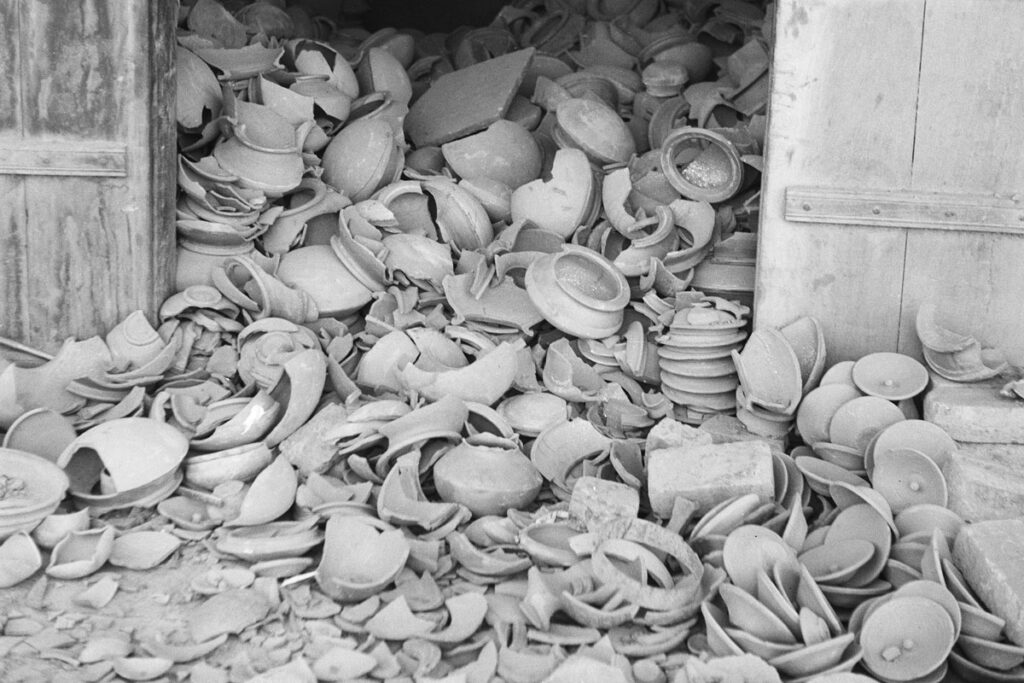
The Original Recyclers Long before the slogan Reduce, Reuse, Recycle, many societies reused debris from daily life—broken pottery, ash, rubble, and organic waste—in new projects. Archaeologists have found materials from demolished buildings and discarded goods repurposed into mud bricks, earthen floors, or leveling fill. In Pompeii, large exterior refuse piles also functioned as staging areas where plaster and ceramics were sorted back into construction. This reuse relied on materials being easier to repurpose than today’s plastics, with organic and mineral waste common and adaptable for agriculture, dyeing, or building.
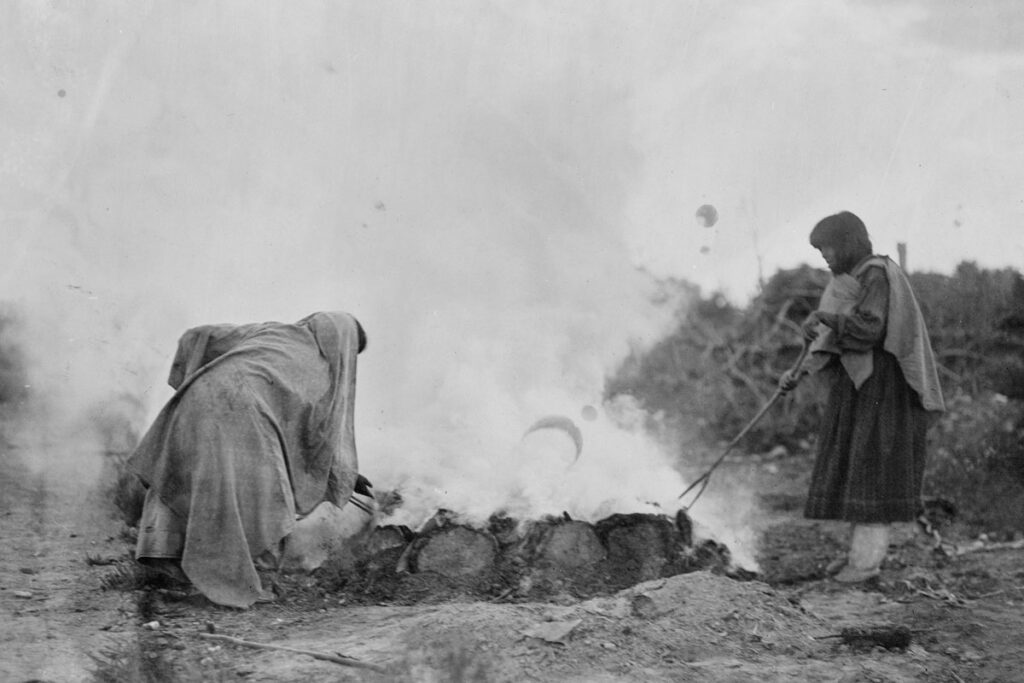
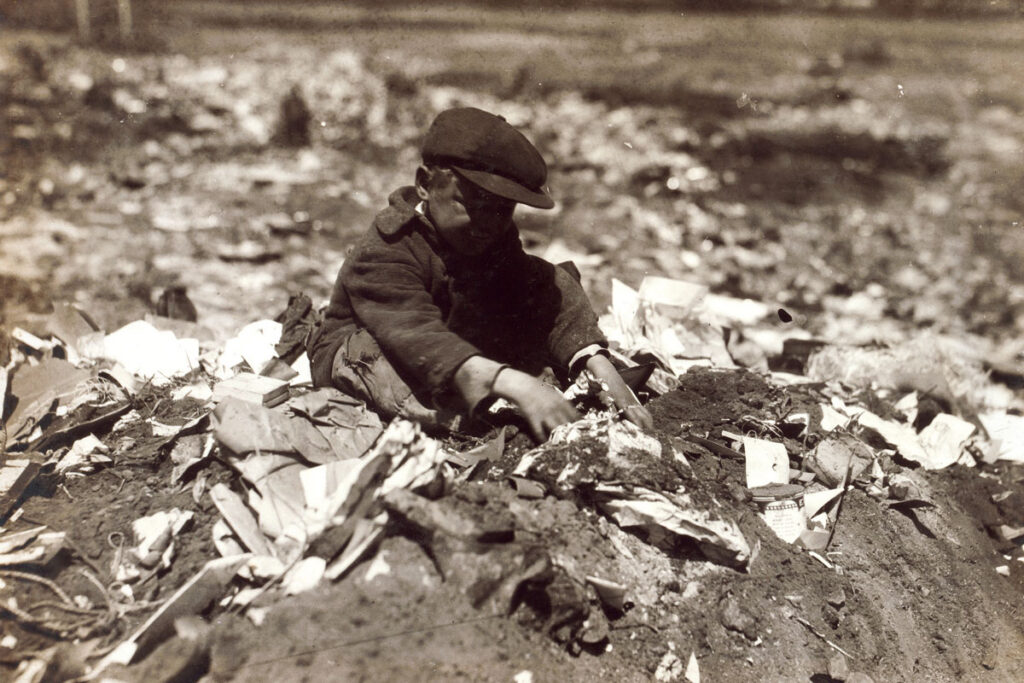
From Trash to Ash Burning waste was another widespread approach, especially in the Andes and Mesoamerica. It reduced volume, controlled odors, and pests, with the resulting ash often reused across streets, construction sites, or cleaning rituals. In many cultures, fire carried ritual weight, turning offerings into smoke that carried messages upward. Thus disposal and ceremony sometimes merged, giving burnings both practical and symbolic roles.
The First Sewers
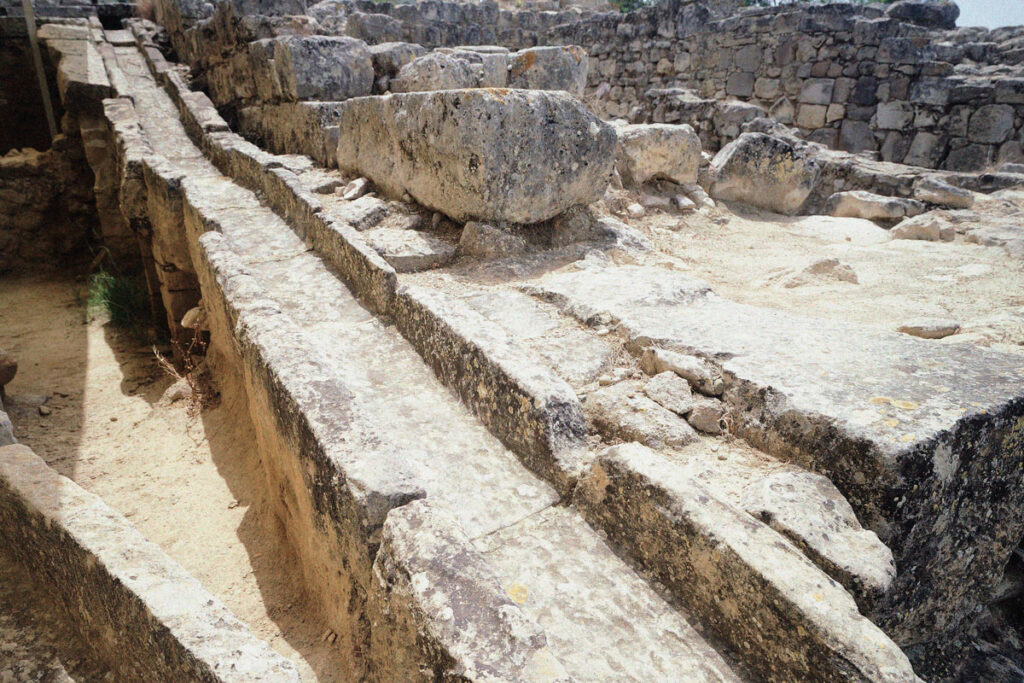
Some civilizations aimed to move waste out of sight and into water systems. Around 4,000 years ago, the Minoans on Crete developed early flushing toilets and piping that channeled waste to underground drains, even including maintenance-access manholes. In the Indus Valley, cities like Mohenjo-daro and Harappa built extensive drainage networks with bathrooms connected to covered street drains and cesspits preventing clogs. The Romans later expanded these ideas with the Cloaca Maxima, an ambitious sewer that carried waste to the Tiber, paired with public latrines and flowing water. Although efficient at moving waste, these systems didn’t always ensure safety for downstream populations.
Living With Waste — and On Top of It
One recurring theme is clear: ancient people lived in close proximity to their refuse. Garbage collected in streets, under homes, or beneath floors, and materials were often reused in construction or dumped just beyond city walls or into waterways. Even where sophisticated systems existed, maintenance and scale were limited, and disease understanding was incomplete. Yet ancient refuse differed from modern waste in permanence; most materials were biodegradable or inert, allowing many to be absorbed, recycled, or transformed more readily than today’s synthetic-heavy streams. Layer upon layer, cities literally grew from their own discarded past, turning waste into real estate and shaping the landscapes of generations to come.