For centuries, the Sami have thrived by herding reindeer, fishing, and gathering wild plants, all intimately linked to the rhythm of the seasons. As temperatures rise, the delicate balance they’ve maintained is disrupted. The ice that once created a stable habitat is vanishing, and so too are the migratory patterns of their reindeer. You can almost feel the anxiety in the air as they adapt to changing food sources and unpredictable weather. It’s like trying to dance to a song that keeps changing tempo.
In response, many Sami are becoming vocal advocates for environmental preservation. They’re not just passive spectators; they’re actively sharing their traditional knowledge, merging it with modern science to combat these changes. Picture them gathering in circles, exchanging insights on sustainable practices, and standing united against industrial activities that threaten their way of life.
From Nomads to Guardians: How the Sami People Adapt to Climate Change Challenges
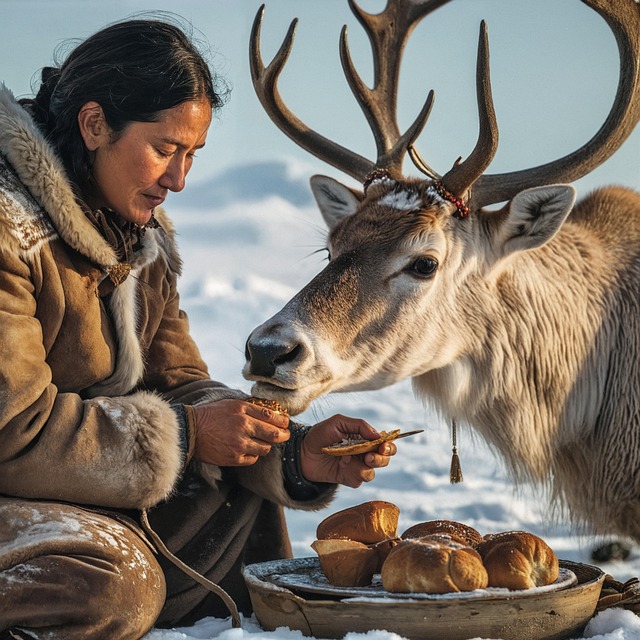
Imagine waking up one morning to find the ground, once frozen solid, now mushy and unreliable. That’s the reality for the Sami shepherds who rely on frosty trails to guide their reindeer. With warming temperatures altering migration routes and the timing of food availability, the traditional nomadic lifestyle they cherish is under threat. It’s like trying to dance ballet on a slippery ice rink; every step becomes a challenge.
Yet, instead of giving up, the Sami are innovating. They’re blending ancient wisdom with modern technology, using GPS to track their herds in real-time, and applying sustainable practices to combat overgrazing. Think of them as eco-friendly superheroes donning capes made of fur and reindeer antlers, battling the forces of climate change with every step they take.
The Resilient Sami: Cultural Heritage Meets Environmental Awakening
So, what makes the Sami truly special? For starters, their deep connection to the land is almost like a secret language. Picture this: each mountain, river, and forest holds stories passed down through generations. Their traditional practices, such as reindeer herding, are not just jobs; they are a way to foster respect and coexistence with nature. It’s as if every step they take is a dance with the earth, celebrating the delicate balance between humanity and the natural world.
But here’s where it gets even more interesting. As environmental issues ramp up globally, the Sami are finding a powerful voice. They’re not just preserving their culture; they’re spearheading a movement advocating for the planet. You could say they’re standing at the crossroads of tradition and innovation, using their Indigenous knowledge to tackle climate change. Imagine the Sami, armed with the wisdom of centuries, engaging in modern sustainability practices—it’s a fascinating blend of old and new.
Healing the Land: Sami Traditional Knowledge in the Face of Global Warming
These Indigenous people have a deep understanding of the weather patterns, animal behaviors, and plant cycles. It’s like they have their own GPS that not only tracks the changing landscapes but also provides directions on how to live sustainably. Have you ever thought about how a small shift in climate can alter everything—from the migration of reindeer to the blooming of wildflowers? The Sami know that every change, no matter how subtle, has a ripple effect across their environment, impacting their way of life.
By integrating modern science with traditional practices, the Sami offer a unique perspective on healing the land. It’s not just about planting trees or conserving water; it’s about listening to the land’s story and respecting its teachings. This relationship is like a dance; every step must be in harmony, or the whole performance falters. The Sami view themselves as caretakers, not owners, of the land, shaping their stewardship through communal knowledge rather than individual exploitation.
With rising temperatures and extreme weather events, the Sami’s traditional ecological knowledge becomes a lifeline. It’s a reminder that in a world racing toward uncertainty, sometimes, solutions lie in the very roots of ancient ways. So, as we confront the climate crisis, could we all benefit from a little Sami wisdom?
Interview with a Sami Leader: Navigating Environmental Changes and Cultural Survival
The Sami, an Indigenous people of the Arctic, are known for their deep-rooted connection to nature, particularly through reindeer herding, fishing, and crafting. But lately, they’ve been facing unprecedented challenges. Climate change is like a thundering train on the horizon, altering landscapes, shifting migration patterns, and melting ice. Each change whispers a lesson that echoes in the bloodlines of their ancestors.
“It’s like watching a family member struggle,” the leader might say, their voice heavy with respect for the land. “Our narratives are tied to this earth, but we’re losing the stories that bind us.” The warmth of tradition clashes with the cold, hard reality of modernity. The younger generation feels that tug-of-war—wanting to honor their heritage while navigating an increasingly digital world.
During your chat, you might hear about innovative practices they’ve adopted to cope with these shifts. They’re not just sitting back and lamenting; they are actively engaging in eco-friendly initiatives. Picture a community gathering, where ideas bubble up like the hot springs in their homeland. By blending traditional wisdom with modern sustainability techniques, they’re crafting a new narrative for the Sami.
Through this dialogue, you see resilience personified. Just as the resilient reindeer navigate the tundra, so too do the Sami weave their traditions into the fabric of a changing world. So, what’s the real lesson to learn here? It’s about balance—maintaining cultural identity while embracing necessary change.
Threatened Landscapes: The Impact of Climate Change on Sami Livelihoods and Traditions
Think about it: reindeer, these majestic creatures that have roamed these lands for thousands of years, are struggling as their grazing grounds become less predictable. Warmer weather means earlier spring thaws, which can lead to ice crusts that trap forage beneath. It’s like a buffet suddenly closing its doors when you’re halfway through dinner. The Sami, who have perfected their herding techniques over centuries, are now facing the anxiety of dwindling resources.

But it’s not just the reindeer; it’s the whole cultural tapestry. Traditions passed down through generations are at risk as landscapes change. Festivals, storytelling, and the way Sami people connect with nature are intertwined with the environment. Imagine losing the very backdrop of your heritage. The rhythms of their lives are now out of sync, like a beloved song played out of tune.
Bridging Past and Present: Sami Innovations in Sustainable Practices Amidst Environmental Crisis
Think about it: the Sami have thrived in the harsh Arctic for centuries, relying on a profound understanding of nature. They hunted, fished, and herded reindeer, always with a focus on balance and respect for the environment. These practices weren’t just about survival; they were a way of life, built on a philosophy of sustainability. Now, as climate change threatens their traditional ways, they’re stepping up to the challenge, blending old wisdom with new technology.
For instance, Sami herders are leveraging innovative grazing techniques that not only protect their reindeer but also enhance biodiversity. This method mimics nature, allowing grasslands to flourish instead of depleting them. It’s like teaching a plant to dance instead of forcing it to wilt—both can co-exist beautifully!
Moreover, the Sami are becoming leading voices in environmental advocacy, harnessing their heritage to educate others on sustainable living. They’re utilizing digital platforms to share their stories and solutions worldwide, bridging cultural gaps and sparking global conversations about environmental stewardship.
It’s a reminder that sometimes, looking back can propel us into the future. The Sami are proving that by respecting the past and creatively adapting it, we can forge paths toward a sustainable future. So, next time you hear about innovations in environmental practices, remember the Sami—their legacy isn’t just history; it’s a blueprint for what’s possible when we honor our roots.
Frequently Asked Questions
How do Sami traditional practices adapt to climate change?
Sami traditional practices are evolving in response to climate change by incorporating sustainable resource management, adjusting reindeer herding routes, and utilizing traditional ecological knowledge. These adaptations help them maintain their cultural heritage while responding to changing environmental conditions.
What role do Sami communities play in environmental conservation?
Sami communities are integral to environmental conservation, as they possess traditional ecological knowledge and sustainable practices rooted in their connection to nature. Their methodologies, such as reindeer herding and land management, promote biodiversity and ecosystem health, while their advocacy for indigenous rights raises awareness about environmental issues, influencing policies for sustainable development.
What initiatives are in place to support Sami responses to climate change?
Various initiatives aim to support indigenous Sami responses to climate change, focusing on preserving traditional knowledge, promoting sustainable practices, and enhancing resilience. Collaborative projects involve local communities, scientists, and policymakers to ensure a holistic approach, integrating cultural heritage with modern climate strategies.
How is Sami culture affected by environmental changes?
Environmental changes significantly impact Sami culture, particularly through alterations in traditional livelihoods such as reindeer herding, fishing, and gathering. Climate change affects migration patterns, food availability, and ecosystems, threatening cultural practices and the transmission of traditional knowledge. As natural resources diminish, the Sami are adapting their practices to ensure sustainable living while striving to preserve their cultural identity amidst these challenges.
What are the key environmental challenges faced by the Sami people?
The Sami people face several significant environmental challenges, including climate change, which impacts traditional reindeer herding by altering migration patterns and reducing pasture availability. Additionally, industrial activities such as mining, logging, and infrastructure development disrupt their land and ecosystems, threatening their cultural heritage and livelihood. Pollution and loss of biodiversity further exacerbate these issues, complicating efforts to sustain their way of life.