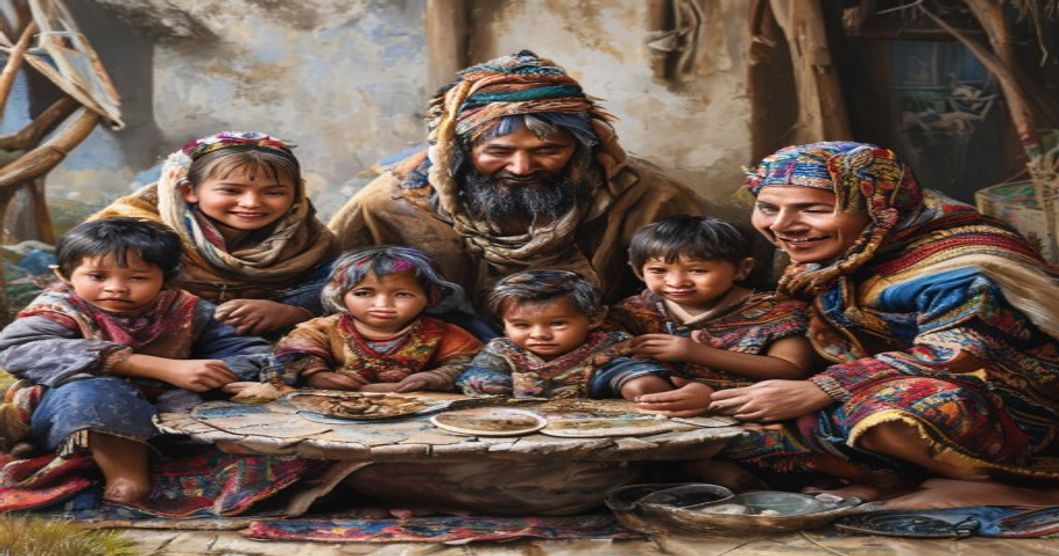
Sami Family Life and Community Structure
Kinship Networks and Household Roles
Extended kinship lines dictate daily interactions and economic planning. Kinship networks operate through verified blood ties and documented adoption records. Household roles split along functional lines rather than rigid gender mandates. Elders control resource allocation and dispute resolution. Younger members handle livestock tracking and infrastructure maintenance.
Domestic hierarchy shifts during migration periods. Decision authority transfers to the most experienced herd manager. Women traditionally manage food preservation and textile production. Modern households blend these duties with wage labor requirements. Family structures adapt to seasonal employment cycles without losing core kinship obligations.
Marriage Customs and Parenting Practices
Betrothal negotiations historically required clan council approval and property verification. Contemporary unions prioritize mutual economic stability and cultural alignment. Child-rearing operates through collective responsibility rather than isolated nuclear units. Grandparents transmit navigation skills and weather reading techniques. Parents enforce strict territorial boundaries to prevent herd contamination.
Naming conventions reflect seasonal events and ancestral achievements. Children receive patronymic suffixes and seasonal birth markers. Discipline emphasizes communal harmony over individual expression. Educational expectations demand fluency in traditional ecological knowledge. Marital dissolution requires mediation councils to redistribute shared assets.
Community Organization and Social Governance
Clans, Siidas, and Local Decision Making
The siida system functions as a cooperative grazing and management unit. Each siida controls defined territorial boundaries across four seasonal zones. Leadership rotates based on herding expertise rather than wealth accumulation. Assemblies convene to vote on pasture rotation schedules and herd culling quotas. Disputes resolve through consensus rather than external legal intervention.
Clan affiliations determine marriage eligibility and ceremonial participation. Modern siidas integrate digital mapping for boundary enforcement. Council minutes document grazing rights and infrastructure investments. Decision making requires majority ratification before resource deployment. External authorities rarely override local governance protocols without verified ecological data.
Resource Sharing and Mutual Support Systems
Emergency lending operates through reciprocal obligation networks rather than commercial banks. Households exchange slaughtered meat and preserved fish during harsh winters. Tool sharing eliminates redundant equipment purchases across villages. Knowledge exchange covers antler carving, boat building, and lichen processing. Support systems activate automatically during livestock die-offs or infrastructure failures.
Communal slaughterhouses standardize meat distribution and hygiene compliance. Donation registries track equipment transfers and labor contributions. Financial contributions fund shared storage facilities and communication towers. Debt forgiveness occurs after three consecutive poor harvests. Mutual aid remains the primary economic safety net for remote settlements.
Economic Foundations and Daily Routines
Reindeer Herding Cycles and Seasonal Movements
Migration corridors follow ancient grazing routes validated by centuries of use. Calving season requires territorial separation to prevent predator attacks and herd mixing. Autumn roundups utilize driven enclosures for branding and health assessments. Winter pastures focus on lichen-rich plateaus accessible via snow bridges. Summer lowlands provide insect relief and mineral licks for herd recovery.
Ear notching and brand registration prevent ownership disputes across borders. Herd managers track calving rates and mortality ratios using standardized ledgers. Veterinary interventions prioritize antibiotic stewardship and parasite resistance management. Fuel costs dictate vehicle deployment during extreme weather events. Profit margins depend on meat quality grading and hide preservation.
Fishing, Hunting, and Traditional Crafts
Duodji crafts generate supplemental income through antler carving and bone inlay techniques. Fishing weirs capture arctic char and whitefish during spring thaws. Marten hunting requires trap placement along established forest corridors. Artisans sell knivvers and boots to regional collectors and museums. Craft workshops enforce authentic material sourcing to maintain market value.
Seasonal processing facilities handle smoking, drying, and fermentation methods. Storage buildings utilize raised flooring to prevent moisture damage. Export regulations require certified origin labeling for international buyers. Craft cooperatives standardize pricing tiers and quality control protocols. Traditional techniques adapt to modern durability standards without losing cultural markers.
Cultural Practices and Identity Preservation
Language Transmission and Educational Models
Sámi languages transmit through immersion kindergartens and family storytelling sessions. Literacy programs emphasize dialect preservation over standardized orthography. Elders record oral histories using digital archives and audio transcription. School curricula integrate reindeer husbandry and traditional ecology modules. Language revitalization funds target remote settlement access.
Digital dictionaries and mobile learning apps expand youth engagement with grammatical structures. University partnerships produce translated legal documents and medical terminology. Community radio stations broadcast news, weather reports, and folk tales. Bilingual signage enforces linguistic visibility in municipal buildings. Language loss correlates directly with historical boarding school trauma.
Joik Traditions and Ritual Observances
Joik performances encode personal identity, place names, and ancestral lineages. Rituals mark first calving, first kill, and seasonal transitions. Drumming ceremonies address spirit guides and territorial guardians. Music transmission occurs via oral repetition rather than written notation. Taboos prohibit commercial exploitation of sacred drum patterns.
Festivals celebrate reindeer migration and harvest completion with communal feasting. Offerings include antler fragments, birch bark, and fermented fish. Drum interpretations predict weather shifts and herd movements. Modern performers blend traditional joiks with electronic instrumentation. Cultural authorities monitor appropriation claims and intellectual property violations.
Contemporary Adaptation and Cultural Resilience
Sami Parliament bodies negotiate mining rights, wind farm permits, and logging concessions. Legal frameworks recognize customary grazing rights over state-owned land. Digital mapping tools document historical settlement and burial grounds. Youth organizations promote traditional crafts and language fluency through summer camps. Economic diversification reduces reliance on subsidy-dependent herding.
Archival projects digitize 19th-century census records and missionary photographs. Sami Archives preserve oral testimonies and handwritten ledgers. University research validates genetic lineages and linguistic roots. Oral history projects capture resistance narratives and adaptation strategies. Cultural resilience depends on intergenerational knowledge transfer and legal sovereignty.
“`html
Frequently Asked Questions About Sami Family Life and Community Structure
What is Sami Family Life and Community Structure?Sami family life and community structure is centered around extended kinship networks and traditional livelihoods such as reindeer herding, fishing, and hunting. The Sami people, indigenous to the northern regions of Norway, Sweden, Finland, and Russia’s Kola Peninsula, organize their communities through clans (siida), which function as cooperative groups sharing resources, grazing lands, and decision-making. Family roles are traditionally divided, with men often leading reindeer herding and hunting while women manage the household, craft duodji (traditional handicrafts), and preserve cultural knowledge. In modern times, Sami families have adapted to contemporary society while striving to maintain their linguistic heritage, spiritual beliefs (including Noaidi animism and later Christian influences), and communal bonds.
Sami family life and community structure is centered around extended kinship networks and traditional livelihoods such as reindeer herding, fishing, and hunting. The Sami people, indigenous to the northern regions of Norway, Sweden, Finland, and Russia’s Kola Peninsula, organize their communities through clans (siida), which function as cooperative groups sharing resources, grazing lands, and decision-making. Family roles are traditionally divided, with men often leading reindeer herding and hunting while women manage the household, craft duodji (traditional handicrafts), and preserve cultural knowledge. In modern times, Sami families have adapted to contemporary society while striving to maintain their linguistic heritage, spiritual beliefs (including Noaidi animism and later Christian influences), and communal bonds.
Key facts about Sami Family Life and Community Structure- Extended Family Networks: Sami society historically relies on multi-generational households where grandparents, parents, and children live closely together, ensuring the transmission of language, skills, and cultural values.
- Siida System: The siida is a traditional Sami self-governing community unit that manages shared reindeer pastures, coordinates seasonal migrations, and resolves disputes through consensus.
- Reindeer Herding Heritage: Many Sami families are connected to reindeer herding, which shapes their seasonal movement, diet, clothing, and spiritual relationship with nature.
- Matrilineal Cultural Preservation: Women play a vital role in preserving Sami joik (traditional song), duodji crafts, and oral history, passing these traditions down through generations.
- Modern Adaptations: Contemporary Sami families navigate dual identities, balancing modern education and employment with participation in traditional Sami parliaments, cultural festivals, and land rights advocacy.
- Language and Identity: Family units are key sites for maintaining Sami languages (such as North Sami, Lule Sami, and South Sami), which are central to community cohesion and political recognition.
- Extended Family Networks: Sami society historically relies on multi-generational households where grandparents, parents, and children live closely together, ensuring the transmission of language, skills, and cultural values.
- Siida System: The siida is a traditional Sami self-governing community unit that manages shared reindeer pastures, coordinates seasonal migrations, and resolves disputes through consensus.
- Reindeer Herding Heritage: Many Sami families are connected to reindeer herding, which shapes their seasonal movement, diet, clothing, and spiritual relationship with nature.
- Matrilineal Cultural Preservation: Women play a vital role in preserving Sami joik (traditional song), duodji crafts, and oral history, passing these traditions down through generations.
- Modern Adaptations: Contemporary Sami families navigate dual identities, balancing modern education and employment with participation in traditional Sami parliaments, cultural festivals, and land rights advocacy.
- Language and Identity: Family units are key sites for maintaining Sami languages (such as North Sami, Lule Sami, and South Sami), which are central to community cohesion and political recognition.
“`