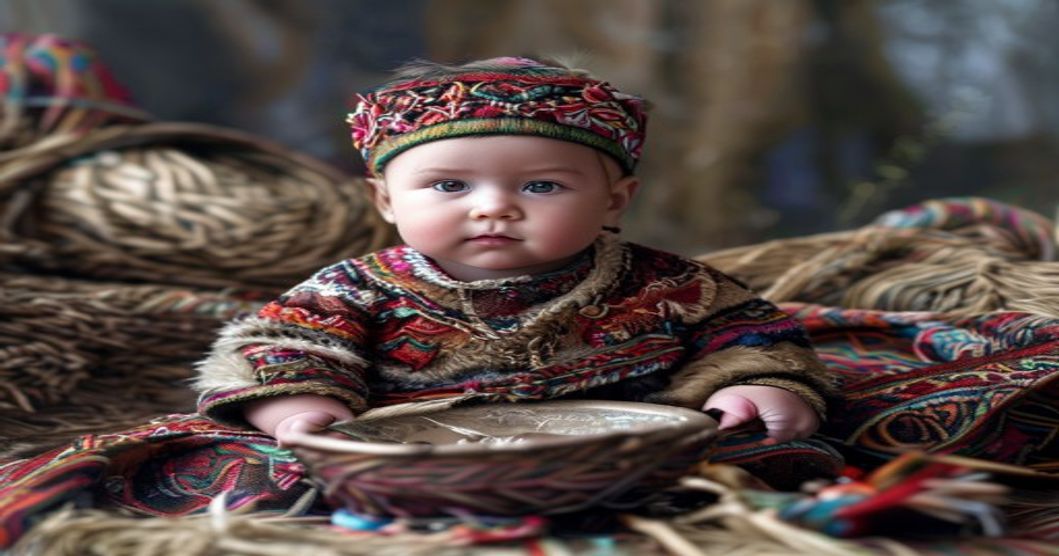
Traditional Sami Baby Naming Customs
Historical Foundations of Sami Naming Practices
Early Sámi communities relied on **oral genealogy** to track family lines across harsh Arctic landscapes. Elders dictated naming cycles based on **reindeer migration patterns** and seasonal hunting grounds. Children received identifiers that reflected immediate ecological conditions at birth. These practices maintained clan cohesion without written records.
Regional variations emerged between **Inari Sámi** and **Kildin Sámi** populations. Mountainous zones prioritized terrain-based labels while coastal groups favored maritime references. Naming ceremonies required **sacred fire** purification before official recognition. The process guaranteed alignment with ancestral hunting territories.
Patronymic and Matronymic Lineage Systems
Traditional Sámi lineage tracking utilized **patronymic suffixes** like -aš or -án to denote paternal descent. Matronymic structures appeared during maternal inheritance periods or when fathers died in transit. The **datter** and **-sen** endings arrived later through Scandinavian administrative pressure. Families preserved original forms in private genealogical chants.
Lineage verification required **three-generation cross-checking** by community elders. Disputes over inheritance triggered formal naming arbitration sessions. Children born outside recognized boundaries received **neutral identifiers** until lineage was resolved. The system prevented land claims from fracturing along ambiguous family lines.
Environmental and Seasonal Naming Triggers
Birth timing directly dictated lexical selection for newborn identifiers. Names meaning **first snow** or **midnight sun** marked specific astronomical windows. Reindeer calving seasons generated temporary naming surges in pastoral districts. Coastal communities adopted **tidal phase** terms for children born during extreme currents.
Weather anomalies triggered emergency naming protocols during harsh winters. Families recorded **aurora borealis** events as permanent identifiers for that cohort. Geological shifts like glacial retreats produced terrain-based name clusters. These triggers ensured every generation carried distinct ecological markers.
Impact of Christianization and State Policies
17th-century Lutheran missionaries systematically replaced indigenous identifiers with **Scandinavian equivalents**. Church registers forced phonetic spellings that erased original consonant gradation. Swedish authorities banned Sámi names in official documentation during the 1800s. Norwegian administrators enforced **baptismal name substitution** as legal requirement.
State taxation offices required standardized surnames for census compliance. Families adopted occupational terms or farm names to avoid bureaucratic penalties. **Religious naming committees** vetoed traditional identifiers lacking biblical parallels. The suppression fractured intergenerational transmission for nearly two centuries.
Structural Components of Sámi Names
Morphology and Dialectal Variations
North Sámi relies heavily on **consonant gradation** to modify name roots across grammatical cases. Lule Sámi preserves archaic vowel harmony patterns absent in southern dialects. Ume Sámi incorporates **double suffixes** that denote both season and geographic origin. South Sámi utilizes simplified phonetics due to historical language erosion.
Dialect boundaries created distinct naming phonology across municipal lines. Mountain dialects favored hard stops while lowland groups preferred liquid consonants. **Vowel length** distinctions carried semantic weight in pastoral communities. These variations required precise phonetic transcription during archival work.
Meanings Derived from Nature and Reindeer Herding
Names frequently referenced **reindeer antler shapes** or migration route topography. Botanical identifiers highlighted medicinal plants used in traditional healing practices. Hydrological terms described river crossings critical for seasonal livestock movement. Avian names tracked migratory bird patterns essential for hunting calendars.
Herding terminology entered identifiers through **sled harness components** and driving tool names. Sky phenomena provided metaphorical depth for names lacking literal translation. **Frost patterns** on tent fabric inspired seasonal name clusters. These references maintained practical ecological literacy across generations.
Role of Ancestral Names and Reincarnation Beliefs
Children often inherited names from deceased relatives to maintain **spiritual continuity**. Reincarnation beliefs required strict avoidance of naming the living after recently deceased peers. **Elder consultation** determined appropriate ancestral name selection during family crises. This practice prevented spiritual displacement within the clan structure.
Namesakes carried behavioral expectations aligned with the original bearer’s reputation. Families documented **naming lineage charts** to track spiritual transfers across decades. Discontinued names required formal community release before reuse. The system preserved historical memory without written genealogical records.
Documentation and Legal Recognition
Church Records and Civil Registration Evolution
Early **baptismal registers** standardized Sámi names using Lutheran phonetic conventions. 19th-century census forms introduced Swedish surnames to replace patronymic structures. Civil registration offices mandated **fixed family names** for tax purposes during industrialization. These documents often corrupted original Sámi orthography through clerical errors.
Archival researchers must cross-reference **parish minutes** with oral family histories. Dialectal spelling inconsistencies appear frequently in colonial-era documents. **Migration records** reveal name adaptation patterns during urban relocation waves. Digital archives now prioritize phonetic restoration over original clerical spellings.
Modern Naming Boards and Linguistic Authorities
Nordic **naming authorities** now evaluate Sámi identifiers for phonetic authenticity and cultural accuracy. The Sámi Language Boards reject names lacking documented **etymological validation**. Applications require proof of linguistic roots through approved dialectal dictionaries. Committees prioritize preservation over administrative convenience during review processes.
Regional boards maintain separate approval protocols for each Sámi language variant. **Linguistic consultants** verify consonant gradation patterns before granting approval. Cross-border naming applications require consensus from multiple Nordic authorities. Digital submission portals now include dialectal pronunciation audio verification.
Legal Protections and Language Revitalization Laws
Finland’s Sámi Language Act guarantees **equal administrative status** for Sámi identifiers since 1998. Norway’s Language Act mandates Sámi name options in all civil registration systems. Sweden recognizes Sámi names as protected cultural heritage under constitutional amendments. These laws prevent bureaucratic rejection of traditional phonetic structures.
Legal frameworks require government offices to accept **dialectal spelling variants** without correction. Appeals processes exist for families denied culturally appropriate identifiers. **State funding** supports linguistic verification services for name applications. International human rights treaties reinforce indigenous naming sovereignty across Nordic jurisdictions.
Contemporary Practices and Cultural Revival
Revival of Indigenous Naming Traditions
Young Sámi parents increasingly reject colonial surnames in favor of **reclaimed patronymic structures**. Digital archives provide access to pre-Christian naming catalogs for modern applications. Community workshops teach **phonetic restoration** techniques for corrupted historical names. Grassroots movements lobby municipalities to recognize unregistered traditional identifiers.
University linguistics departments collaborate with families to document **extinct naming patterns**. Social media platforms facilitate cross-regional name sharing among dispersed Sámi communities. **Cultural festivals** feature naming ceremonies that bypass state bureaucracy entirely. These initiatives reverse centuries of administrative language suppression.
Challenges of Bilingual and Multicultural Integration
Urban Sámi families navigate **dual-script requirements** for school and government documentation. Cross-cultural marriages often produce hybrid identifiers requiring official pronunciation guides. **School enrollment forms** frequently lack Sámi language input fields. Bureaucratic systems struggle with non-alphabetic Sámi phonetic markers during data entry.
Immigrant Sámi descendants face **documentation gaps** due to disrupted family transmission. Professional interpreters remain scarce for rare dialectal name variants. **Digital databases** often reject Sámi characters during automated validation. These friction points threaten continued adoption of traditional naming practices.
Influence of Sámi Literature and Media
Contemporary Sámi authors publish **name etymology glossaries** that inform modern naming decisions. Television dramas depict historical naming ceremonies that inspire parental choices. **Music albums** feature traditional names in lyrics, increasing public familiarity. Digital literature platforms host interactive naming dictionaries for youth engagement.
Media representations normalize Sámi identifiers in mainstream Nordic cultural spaces. **Documentary films** trace name origins through archival research and family interviews. Social campaigns use traditional names to challenge colonial administrative legacies. These outputs accelerate cultural reclamation beyond bureaucratic channels.
Etymology and Linguistic Analysis
Core Elements and Root Words
North Sámi names frequently derive from **reindeer anatomy** terms describing antler configuration. Lule Sámi roots often reference **ice formation patterns** critical for winter travel routes. Ume Sámi vocabulary preserves archaic botanical names now extinct in common speech. South Sámi identifiers utilize simplified **river current** terminology due to historical erosion.
Root word analysis reveals **semantic layers** linking names to specific ecological knowledge. Consonant shifts across dialects indicate historical migration corridors between herding territories. **Vowel harmony** patterns preserve ancient phonetic rules absent in Scandinavian languages. These elements require specialized linguistic training for accurate interpretation.
Phonetic Evolution and Spelling Standardization
Colonial clerks frequently misrecorded **consonant gradation** during 19th-century transcription work. Modern standardization efforts restore original phonetic sequences using oral testimony. **Dialectal spelling variants** now receive official recognition through Nordic naming authorities. Digital orthography tools automate historical phonetic reconstruction for researchers.
Spelling reforms prioritize **phonetic authenticity** over administrative convenience during registration. Cross-border standardization committees resolve conflicting dialectal spellings through linguistic consensus. **Phonetic databases** archive pronunciation samples from elder speakers for verification. These protocols prevent future erosion of original Sámi naming structures.
Comparative Analysis with Scandinavian Naming
Sámi names emphasize **ecological immediacy** while Scandinavian names often reflect occupational lineage. Patronymic structures diverge significantly in suffix formation and generational tracking. **Geographic references** in Sámi names specify micro-territories unlike broader Scandinavian farm names. These distinctions highlight fundamentally different relationship models to land and ancestry.
Scandinavian naming laws historically mandated Sámi name substitution during assimilation periods. Modern Nordic legal frameworks now protect Sámi identifiers from forced linguistic alignment. **Administrative resistance** to Sámi phonetic structures persists in outdated bureaucratic systems. Legal advocacy continues pushing for full orthographic parity across all registration platforms.
Frequently Asked Questions
What is Traditional Sami Baby Naming Customs?
Traditional Sami baby naming customs involve naming children after deceased ancestors, often using the exact same first name. The practice is rooted in the belief that the name carries the spirit, wisdom, and qualities of the ancestor, and the child is thought to inherit their destiny and characteristics. Names are traditionally selected by family members or community elders, sometimes guided by dreams, omens, or significant life events.
Key facts about Traditional Sami Baby Naming Customs
Key facts include the strong cultural emphasis on ancestral names to maintain family lineage, the spiritual belief that the child becomes a reincarnation of the named ancestor, the historical coexistence of ancestral names with patronymic or matronymic systems, the community’s role in approving or suggesting names, and the modern revival of these customs as the Sami people work to preserve and reclaim their cultural heritage after centuries of assimilation pressures.