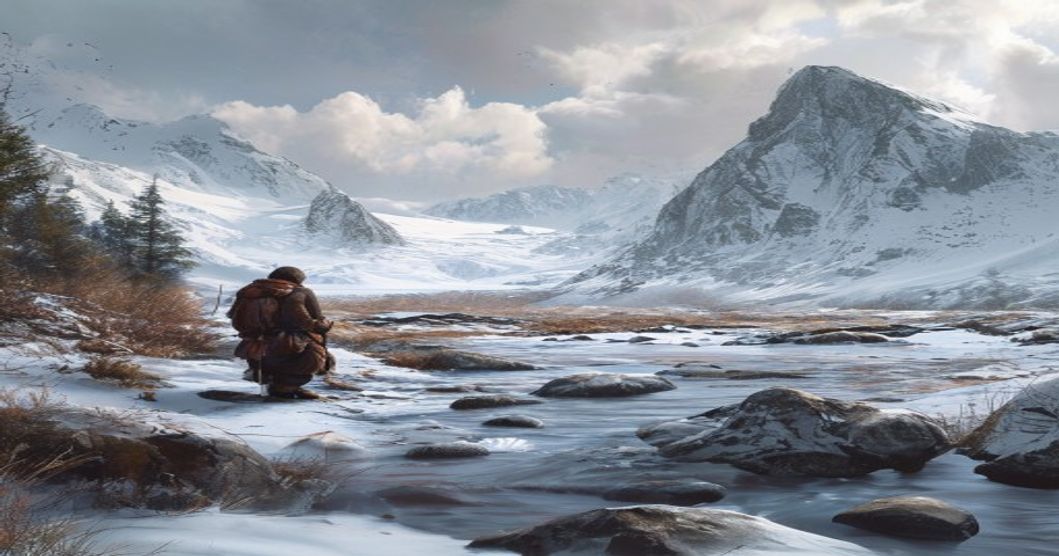
The Foundation of Sámi Arctic Resilience
The Sámi people, indigenous to the northern reaches of Scandinavia, Finland, and Russia, have cultivated a sophisticated survival framework over millennia in one of Earth’s most unforgiving biomes. Their Arctic survival secrets are not isolated techniques but an integrated system of ecological observation, resource optimization, and cultural transmission. Understanding these ancient practices requires examining how generations refined their relationship with extreme cold, seasonal shifts, and limited arable land. The core of this knowledge rests on anticipatory planning rather than reactive adaptation, allowing communities to thrive where modern infrastructure often fails.
Navigating the Frozen Wilderness Without Modern Tools
Arctic navigation techniques utilized by Sámi hunters and traders relied on celestial mapping, topographical memory, and environmental indicators. During polar nights, navigators tracked constellations like Ursa Major and Cassiopeia to maintain cardinal direction, while daytime travel depended on snowdrift formations, wind patterns, and the subtle gradient of solar refraction on ice surfaces. Experienced guides read animal trails, particularly reindeer and fox movements, to locate safe passages through crevasse fields and thin ice zones. This spatial literacy minimized energy expenditure and prevented disorientation, a critical factor in survival where a single misstep can prove fatal.
Crafting Shelter and Survival Gear from Natural Materials
Sámi builders engineered the lavvu structure, a conical tent optimized for rapid deployment and thermal retention. The framework utilized seasoned pine or birch poles lashed with reindeer sinew, while the exterior was sealed with overlapping reindeer hides treated with rendered fat to achieve complete wind and moisture resistance. Interior layouts centered around a suspended fire pit that maximized radiant heat distribution while allowing smoke to escape through a calculated apex vent. Tools were forged from antler, bone, and hardened leather, ensuring durability without metal dependency. These designs remain benchmark examples of passive climate engineering in resource-scarce environments.
Food Acquisition and Long-Term Preservation Methods
Cold climate food preservation was the linchpin of Sámi winter survival, transforming seasonal abundance into year-round caloric stability. Hunters employed strategic baiting and concealed traps to capture reindeer, ptarmigan, and Arctic char without depleting local populations. Fishing occurred through ice holes lined with bone hooks and sinew lines, timed to seasonal fish migration patterns. Post-harvest processing prioritized moisture extraction: meat was sliced thin and air-dried into suovas (smoked reindeer jerky), while organs and fat were rendered for high-density energy reserves. Fermentation techniques, including the preservation of milk in animal stomachs and the slow curing of fish, introduced beneficial microbes that prevented spoilage and enhanced nutrient bioavailability.
Mastering Cold-Resistant Clothing and Layering Systems
Sámi textile engineering produced garments that outperform many synthetic alternatives in sub-zero conditions. The foundational layer utilized reindeer hide clothing with the hair left intact, creating a microclimate of trapped air that insulates even when damp. Outer shells featured tightly woven patterns and grease treatment to repel snow and wind, while boots incorporated dual-layer construction with inner wool linings for moisture wicking. Fastenings relied on bone toggles and leather straps designed to function without glove removal, preventing frostbite during rapid adjustments. The anatomical cut of each garment followed joint articulation points, preserving mobility without compromising thermal integrity.
Ecological Knowledge and Sustainable Resource Management
The Sámi survival framework operated on a strict principle of rotational resource extraction, preventing ecosystem collapse in fragile tundra environments. Herders tracked lichen growth cycles and permafrost thaw patterns to determine optimal grazing routes, ensuring pastures regenerated before reindeer herds returned. Plant foraging followed phenological markers, with medicinal mosses, berries, and bark harvested only during specific lunar phases when active compounds peaked. This indigenous ecological wisdom functioned as a natural carrying capacity regulator, maintaining biodiversity while securing consistent caloric intake across generations.
Spiritual Practices as Psychological Survival Mechanisms
Mental resilience in the Arctic was cultivated through structured spiritual routines that mitigated isolation and seasonal affective disorders. The Noaidi tradition incorporated drum rituals, chanting sequences, and controlled breathwork to induce altered states of focus, enhancing situational awareness during expeditions. Community ceremonies reinforced interdependence, ensuring knowledge transfer occurred through lived experience rather than abstract instruction. These psychological frameworks prevented panic-driven decisions, maintained group cohesion during storms, and provided cognitive tools for enduring prolonged darkness and physical exhaustion.
Adapting Ancient Sámi Techniques to Modern Extremes
Contemporary survival training programs increasingly integrate Sámi Arctic survival secrets into expedition curricula focused on climate resilience and off-grid preparedness. Researchers validate traditional ice-reading methods against satellite telemetry, confirming their accuracy in predicting structural weaknesses in frozen waterways
Frequently Asked Questions
What is Sami Nature Wisdom and Arctic Survival?
Sami Nature Wisdom and Arctic Survival refers to the traditional ecological knowledge, cultural practices, and survival techniques developed by the Sámi people over centuries in the Arctic and sub-Arctic regions of Scandinavia and Russia. It encompasses deep understanding of reindeer herding, weather patterns, medicinal plants, ice and snow navigation, and sustainable living in extreme environments.
Key facts about Sami Nature Wisdom and Arctic Survival
Key facts include the Sámi’s use of reindeer for transport, food, and clothing; their intricate knowledge of Arctic flora and fauna; reliance on oral storytelling and joik singing to pass down survival skills; adaptation to permafrost and seasonal light changes; and the integration of indigenous wisdom with modern conservation efforts to preserve Arctic ecosystems.