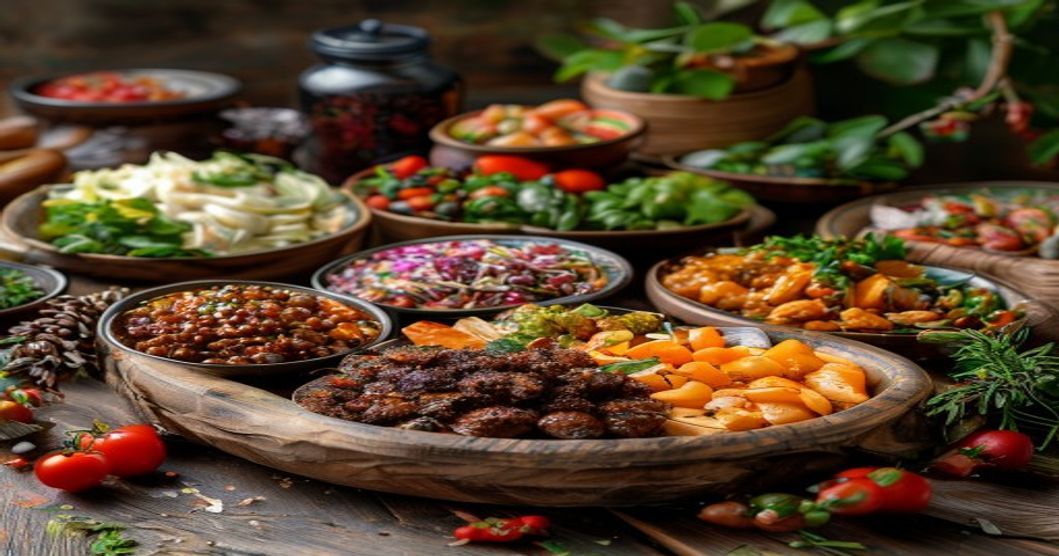
The Ecological and Historical Foundations of Sami Food Culture
The culinary heritage of the Sami people emerges from centuries of Arctic adaptation, where survival dictated a deeply sustainable relationship with northern ecosystems. Traditional Sami food culture operates on seasonal migration patterns, prioritizing nutrient-dense ingredients that withstand extreme winters. Foraging, reindeer herding, and river fishing form the ecological triad that defines authentic Lapland cuisine. Every meal historically reflected resource efficiency, leaving zero waste while maximizing caloric intake through traditional Sami dishes designed for thermal endurance.
Primary Ingredients and Indigenous Preservation Systems
Reindeer Meat and Offal Utilization
Reindeer meat remains the nutritional cornerstone of Sami gastronomy, supplying essential iron, zinc, and complete proteins. Nomadic herders process every anatomical component: muscle meat for roasting, marrow for fat rendering, and organs for fermentation. The lean protein profile supports sustained physical labor in subzero climates while maintaining metabolic balance.
Arctic Fish and River Harvests
Wild-caught salmon, trout, whitefish, and burbot provide omega-3 fatty acids critical for cardiovascular health in cold environments. Indigenous fishing techniques utilize ice augers and net weaves calibrated to spawning cycles, ensuring ecological continuity. Fermented fish products deliver probiotic pathways necessary for gut microbiome adaptation.
Wild Berries and Medicinal Flora
Lingonberries, cloudberries, blueberries, and crowberries supply concentrated vitamin C, antioxidants, and natural sugars. Sami foragers harvest during peak ripeness windows, utilizing dried moss beds and birch bark containers to prevent spoilage. Culinary applications range from savory accompaniments to digestive aids and winter dessert bases.
Traditional Preservation Techniques
Sami preservation methodologies rely on passive environmental control rather than industrial processing. Air-drying, cold smoking over reindeer dung fires, and anaerobic fermentation in sealed birch vessels extend shelf life without synthetic additives. These methods develop complex umami profiles while inhibiting pathogenic bacterial growth through natural acidification.
Authentic Traditional Sami Dishes and Preparation Methods
Suovas (Cold-Smoked Reindeer Sausage)
Suovas represents the most recognized export of Sami gastronomy, crafted from ground reindeer meat stuffed into cured stomach casings. The sausage undergoes extended cold smoking over controlled hearth fires, developing a firm texture and deep phenolic flavor. Sliced thinly, it serves as both protein source and condiment across communal feasts.
Gahpalsat (Pan-Fried Reindeer with Root Vegetables)
Gahpalsat consists of diced reindeer muscle seared in rendered fat alongside turnips, carrots, and native potatoes. The Maillard reaction creates a crust that locks moisture while caramelizing natural sugars from root crops. Traditional recipes require minimal seasoning, relying on juniper berries and wild thyme for aromatic complexity.
Rávdni (Anaerobically Fermented Fish Paste)
Rávdni is a dense fermentation product prepared from chopped whitefish or cod mixed with reindeer fat and barley flour. Sealed in birch bark or clay vessels, the mixture undergoes controlled anaerobic decomposition for several weeks. The resulting paste delivers intense savory depth and serves as a spread on flatbreads or a cooking base.
Muohtajávrrit (Cloudberry and Lingonberry Preparations)
Muohtajávrrit encompasses both fresh berry compotes and frozen fruit salads that capitalize on natural pectin content. Cloudberries provide high vitamin C levels, while lingonberries supply tartic acid for metabolic regulation. Traditional preparation avoids refined sugar, utilizing honey or natural fruit reduction to achieve palatability.
Culinary Practices and Contemporary Gastronomic Revival
Sami dining protocols emphasize communal distribution, with elders receiving the first portions of high-value cuts. Seasonal festivals align meals with reindeer calving cycles, spring fish runs, and autumn berry harvests. Modern culinary practitioners preserve these frameworks while integrating sustainable foraging certifications and traceable meat sourcing. Contemporary Sami restaurants maintain historical accuracy through open-hearth cooking, ancestral spice blends, and strict adherence to indigenous harvesting calendars.
Frequently Asked Questions
What is Sami Food Culture and Traditional Dishes?
Sami food culture and traditional dishes refer to the culinary practices, ingredients, and recipes of the Sámi people, the indigenous inhabitants of the northern regions of Norway, Sweden, Finland, and Russia. Rooted in a history of reindeer herding, fishing, hunting, and foraging, Sámi cuisine emphasizes sustainability, preservation techniques like drying and fermenting, and the use of local ingredients such as reindeer meat, fish (especially salmon and trout), cloudberries, bilberries, and root vegetables.
Key facts about Sami Food Culture and Traditional Dishes.
Key facts about Sami food culture and traditional dishes include: (1) Reindeer is the cornerstone of Sámi cuisine, with every part of the animal utilized to minimize waste; (2) Preservation methods like smoking, drying, and fermenting were historically essential for surviving harsh Arctic winters; (3) Wild berries, particularly cloudberries and lingonberries, are highly prized for their flavor and nutritional value; (4) Traditional dishes often rely on simple preparation to highlight the natural taste of high-quality, foraged, or hunted ingredients; (5) Sámi culinary traditions are deeply intertwined with cultural identity, seasonal cycles, and sustainable land use.