The Geographic and Historical Roots of Sápmi
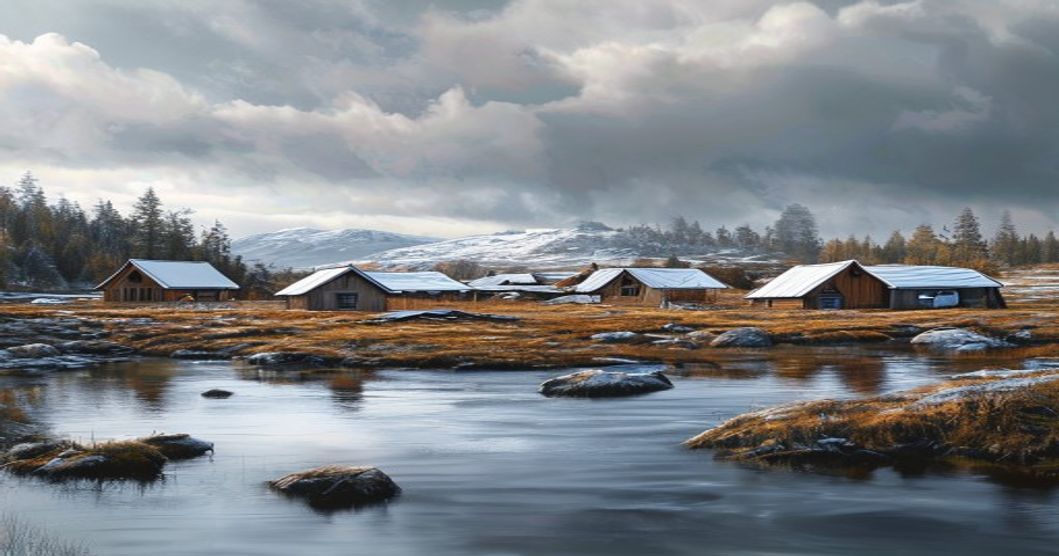
Sápmi, often referred to as Lapland, spans across the northern territories of Norway, Sweden, Finland, and Russia, encompassing a vast Arctic landscape defined by tundra, boreal forests, and rugged mountain ranges. This indigenous homeland has served as a continuous cross-border region for millennia, where ecological boundaries align with cultural continuity rather than political lines.
Defining the Arctic Borderlands
The Sámi people inhabit one of Europe’s last remaining polar ecosystems, where extreme seasonal shifts dictate survival strategies. The region’s permafrost, midnight sun phenomena, and harsh winter conditions have historically fostered a deeply adaptive society. Modern cartography divides Sápmi into four national jurisdictions, yet traditional land use patterns remain uninterrupted by artificial borders.
Ancient Origins and Cross-Border Heritage
Archaeological evidence confirms that human habitation in the Arctic north dates back over nine thousand years. The Sámi are recognized as Europe’s only indigenous population, with linguistic roots tracing to the Uralic language family. Their historical presence predates the formation of modern Scandinavian states, establishing a continuous cultural lineage that has resisted centuries of assimilation policies.
Core Elements of Traditional Sami Culture
Traditional Sámi society is structured around ecological stewardship, communal reciprocity, and spiritual harmony with nature. These foundational principles manifest in distinct practices that have survived colonization, religious conversion, and modernization.
Reindeer Herding and Nomadic Livelihoods
Reindeer husbandry remains the cornerstone of Sámi economic and cultural identity. Herders guide vast seasonal migrations across grazing lands, utilizing ancestral knowledge to monitor animal health, snow conditions, and pasture regeneration. This practice is not merely agricultural but represents a sophisticated symbiotic relationship with the Arctic environment, governed by strict sustainability protocols passed down through generations.
The Art of Duodji and Sustainable Craftsmanship
Duodji, the traditional Sámi craft system, encompasses functional and decorative objects carved from wood, antler, bone, and woven reindeer fur. Each piece serves a practical purpose in Arctic survival while embedding symbolic motifs that communicate clan lineage, regional origin, and spiritual beliefs. Contemporary duodji artisans continue to utilize hand-forged tools and natural dyeing techniques, ensuring the craft remains both economically viable and ecologically responsible.
Preserving the Oral Tradition Through Joik Music
The Sámi joik represents one of Europe’s oldest vocal traditions, functioning as a non-linear musical form that evokes landscapes, animals, or ancestral figures rather than narrating stories. Unlike conventional melody structures, joiks prioritize tonal resonance and rhythmic repetition to create an immersive auditory experience. UNESCO recognition has amplified global awareness, yet the practice remains deeply localized, transmitted through familial mentorship and community gatherings.
Language, Identity, and Linguistic Revival
The Sámi language family comprises multiple dialects that diverged due to geographic isolation and historical migration patterns. Northern Sámi, Inari Sámi, and Skolt Sámi maintain active speaker communities, while revitalization programs integrate digital tools, bilingual education frameworks, and media broadcasting. Language preservation directly correlates with cultural survival, as vocabulary related to reindeer husbandry, weather patterns, and medicinal plants contains ecological knowledge unavailable in dominant national languages.
Contemporary Challenges and Cultural Resilience
Modern Sápmi faces intersecting pressures from industrial expansion, geopolitical shifts, and environmental degradation. Despite these threats, indigenous governance structures and legal advocacy have established unprecedented protections for land rights and cultural autonomy.
Climate Change Impacting Arctic Ecosystems
Rapid temperature increases in the Arctic are disrupting traditional grazing cycles, causing ice instability on migration routes and altering lichen growth patterns. Sámi herders report increasingly unpredictable weather windows, forcing adaptive adjustments to seasonal calendars. Indigenous monitoring networks now collaborate with climatologists to document ecological shifts, ensuring traditional knowledge informs scientific response strategies.
Balancing Modern Development with Indigenous Rights
Infrastructure projects, including wind farms, mining operations, and tourism infrastructure, frequently intersect with ancestral territories. Legal frameworks such as the ILO Convention 169 and national Sámi parliaments have strengthened land tenure claims, yet enforcement remains inconsistent. Community-led initiatives prioritize low-impact development models that align economic progress with environmental preservation and cultural continuity.
Ethical Engagement and Sustainable Sápmi Tourism
Responsible travel to the Arctic north requires adherence to indigenous sovereignty principles and ecological conservation standards. Visitors are encouraged to engage with certified Sami-owned enterprises, respect restricted grazing zones, and participate in culturally guided experiences that prioritize knowledge exchange over spectacle. Ethical tourism frameworks emphasize direct economic support for local artisans, language preservation initiatives, and environmental stewardship programs.
Frequently Asked Questions
What is What Is Sápmi? The Homeland of the Sami People?
Sápmi is the traditional and cultural homeland of the Sami people, an indigenous population inhabiting the northernmost parts of Norway, Sweden, Finland, and the Kola Peninsula of Russia. It is not a political state but a culturally defined region spanning across four countries, known for its distinct languages, reindeer herding traditions, duodji (handicrafts), and joik (traditional singing).
Key facts about What Is Sápmi? The Homeland of the Sami People
Sápmi covers approximately 388,000 square kilometers across the Arctic and sub-Arctic regions. The Sami population is estimated between 80,000 and 100,000, with around 20 distinct Sami languages spoken historically and currently. The region is recognized for its unique indigenous rights, the annual Sami Parliament elections, and its profound connection to reindeer pastoralism, which is central to Sami identity and livelihood. Sápmi also experiences extreme seasonal daylight variations, including the Midnight Sun and Polar Night.