
From the dawn of humanity, many lives ended early, and that reality shaped how communities understood survival. Lifespans that modern readers would find astonishing were common, with the average newborn facing a future shaped by high infant mortality, disease, and harsh living conditions. Those who survived infancy often lived into middle age, though reaching old age was comparatively rare.
Life expectancy does not reveal the maximum ages people could reach. Instead, it reflects the average years a newborn could expect to live under the mortality rates of a given era. This distinction helps explain why ancient populations could experience brief spells of lower life expectancy during crises, even as some individuals aged into their 60s, 70s, or beyond.
Throughout prehistory and history, living conditions determined how long people might expect to survive. Illness, injury, childbirth risks, famine, and environmental hazards repeatedly shortened lifespans, while improvements in nutrition and sanitation gradually shifted the odds in favor of longer lives.
Prehistory
Reconstructing ancient lifespans relies on bones and archaeology rather than written records. Estimates suggest an average life expectancy at birth around 20–30 years, heavily weighted downward by the high number of infant deaths. Adults who survived childhood sometimes reached their 40s or 50s, and occasionally older, but daily life remained perilous due to injuries, infections, and scarce resources.

These numbers do not imply that adults routinely died in their 20s; they indicate that many succumbed early, while those who endured childhood could still face severe risk in adulthood. The absence of modern medicine meant that minor injuries and childbirth complications could quickly become fatal, and food shortages or harsh climates added further danger.
Ancient Times
In early civilizations, including Mesopotamia, Egypt, Greece, Rome, China, and India, average lifespans at birth generally hovered around 30–35 years. Infant mortality remained a dominating factor, while survivors who made it to adolescence could expect to live into their 50s or beyond. Disease, crowding, and poor sanitation in growing cities intensified risks, though geography could offer some protection—rural life often carried fewer epidemics.
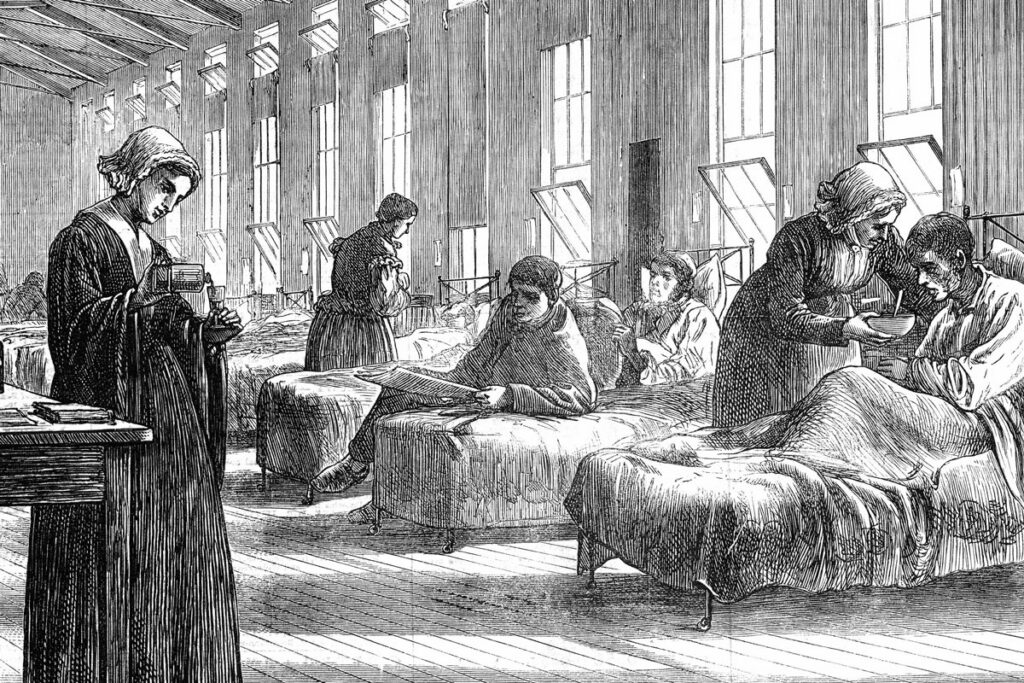
With time, those who survived childhood began to see more years added to their lives, and some individuals reached their 60s or 70s after the chaos of early life had passed.
Middle Ages
From roughly the 6th to the 16th century, birth-era life expectancy in much of Europe remained in the 30s, while other regions displayed similar patterns. Recurrent crises—wars, famines, and outbreaks—took a heavy toll, yet outside these periods, survival into middle age was possible for those who endured infancy and childhood. The Black Death stands out as a peak example of how catastrophe could dramatically compress life expectancy, with population losses of tens of millions in some areas.
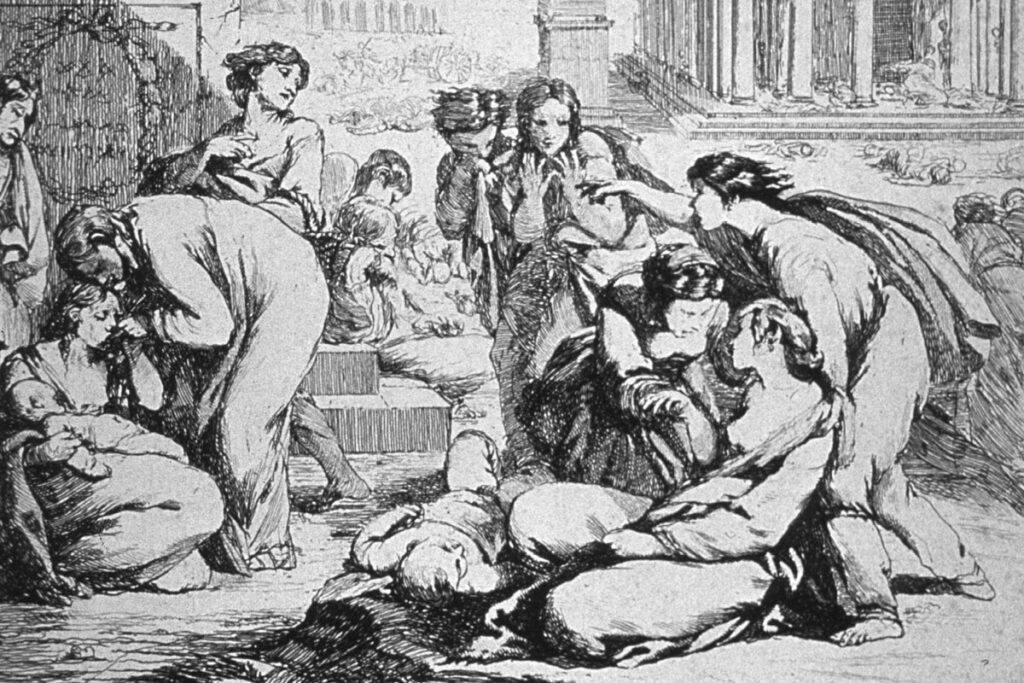
Even so, when epidemics waned, a more familiar rhythm returned: high infant mortality and a substantial subset of people who reached their 50s or older if they weathered the early hazards.
1600s
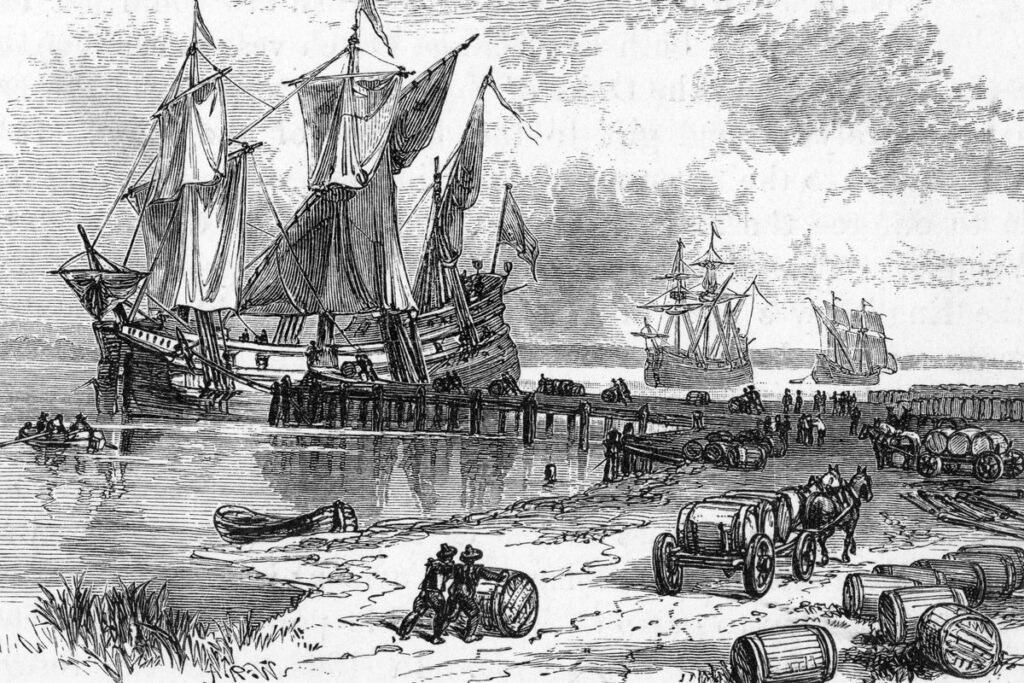
By the 1600s, life expectancy in many regions remained near 30–35 years. Urban growth and trade networks spurred the spread of disease, making city life particularly risky. Yet, this era also seeded the scientific curiosity that would later revolutionize medicine—better records, early anatomy, and an emerging framework for understanding health and disease.
1700s
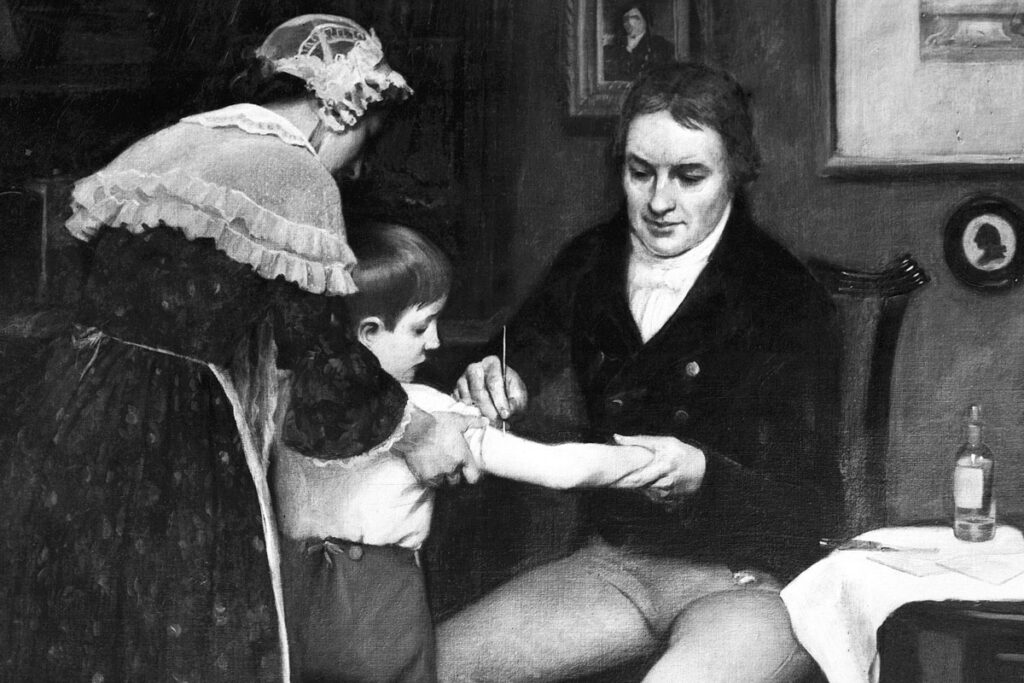
Throughout the 18th century, averages edged upward in parts of Europe as agriculture and food security improved. Public health ideas began to take root, and smallpox inoculation offered a critical shield against one of the era’s deadliest foes. Infant mortality remained high, but modest gains in life expectancy reflected gradual progress in living conditions.
Credit and visual materials accompany the historical record as echoes of these changing times.
1800s
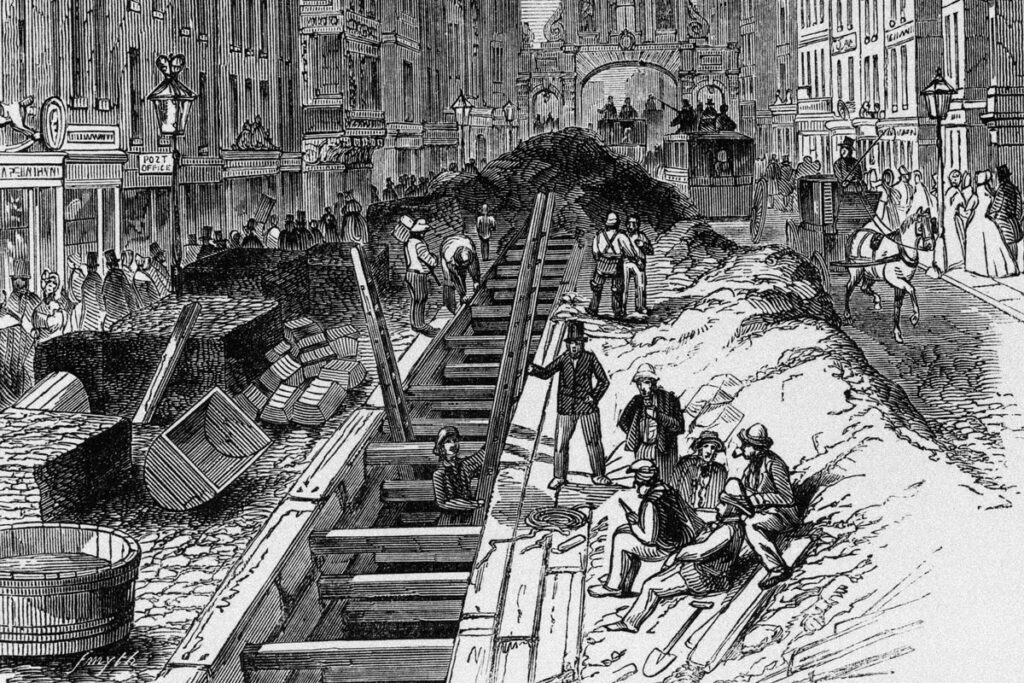
The 19th century delivered a dramatic shift, especially in industrializing nations. Lifespans climbed from roughly the mid-30s to the mid-40s and beyond by century’s end, driven not just by medical advances but by the broader public health revolution. Clean water, sewer systems, and safer housing reduced deaths from cholera and other diseases, while improved nutrition and urban planning supported longer lives.
1900s
The 20th century stands out as the era of the most dramatic gains in longevity. Global life expectancy rose from the low 30s to about 65 years by century’s end, fueled by vaccines, antibiotics, surgical advances, and maternal-newborn care. Sanitation, nutrition, and safer living conditions also played crucial roles in extending lifespans across populations.
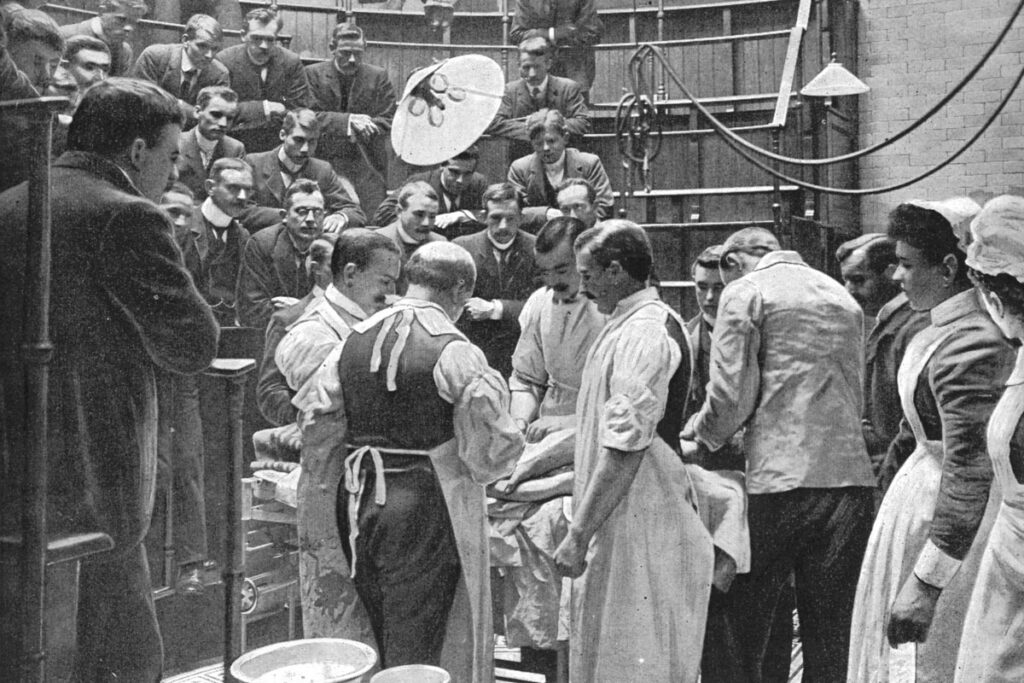
These advances did not occur uniformly, but the overall trend was clear: better health systems and living standards translated into longer lives for people around the world.
2000s to Today
In the 21st century, life expectancy continues to increase, though at a slower pace. By the early 2020s, the global average hovered around the low 70s, with top performers like Japan, Switzerland, and Singapore exceeding 83–84 years. Not all regions share the same trajectory, and some lower-income areas still face challenges that keep life expectancy in the 60s. Events such as the COVID-19 pandemic have shown that gains can reverse briefly, underscoring the fragility and resilience of health progress.