The Historical Reality of Pirate Eye Patches
Eyepatches among seafarers were never a standardized uniform feature but rather a practical adaptation to the brutal conditions of life at sea. Historical records from the Golden Age of Piracy (roughly 1650–1730) reveal that head injuries, naval combat wounds, and shipboard accidents frequently resulted in single-eye blindness. Pirates did not wear eye patches as a fashion statement or a psychological intimidation tactic; they wore them out of necessity. When a pirate lost sight in one eye to a cutlass slash, cannon shrapnel, or falling rigging, the patch served to protect the remaining functional vision while allowing the blinded eye to rest or heal.
Combat Injuries and Wound Prevalence
Boarding actions during naval warfare and pirate skirmishes were notoriously close-quarters engagements. Cutlasses, pikes, and early firearms like flintlock pistols created a high probability of facial trauma. Medical logs from privateer vessels and Royal Navy surgeons document a staggering rate of cranial and ocular injuries among sailors. Unlike modern battlefield medicine, infection control was virtually nonexistent. A pierced cornea or shattered orbital bone often led to permanent vision loss. The eyepatch became a standard prosthetic replacement for damaged eyes, functioning as both a shield against further debris and a barrier against painful light sensitivity in injured tissues.
Sailing Accidents and Maritime Hazards
Life aboard wooden sailing ships demanded constant interaction with heavy rigging, swinging yards, and shifting cargo. A snapped hemp line could whip across a deck with lethal force, frequently striking sailors in the face. Saltwater exposure, combined with poor hygiene and untreated infections, caused severe conjunctivitis and corneal ulcers that sometimes resulted in unilateral blindness. Pirates operating in tropical waters faced additional risks from venomous marine life and extreme UV radiation, which accelerated ocular degradation. The eyepatch provided immediate mechanical protection for compromised eyes while maintaining a sailor’s ability to navigate by the stars or read charts with their remaining sight.
Medical and Practical Reasons Behind the Patch
Night Vision Adaptation in Low-Light Environments
A widely circulated theory suggests that pirates wore eye patches to preserve night vision for navigating dark ship cabins or descending into lower decks where lanterns were strictly controlled. While this concept has roots in physiological science, historical evidence for its widespread pirate use remains circumstantial. The human eye requires approximately twenty minutes to fully adapt to darkness through rod cell activation. By keeping one eye covered during daylight hours, a sailor could theoretically switch to dark-adapted vision instantly when descending into unlit spaces like the gun deck or cargo hold. However, naval surgeons and fleet logs rarely document this as a primary motivation. The adaptation theory gained traction later through 19th-century romanticism rather than contemporary maritime records.
Protecting Functional Eyes from Infection and Trauma
Beyond combat and accidents, the eyepatch functioned as a critical preventive measure for maritime workers. Sailors relied entirely on their remaining vision for shipboard tasks, navigation, and survival. Covering an injured eye prevented stray threads, salt crust, or blood clots from irritating sensitive tissues. In an era before antibiotics, even minor ocular abrasions could escalate into systemic infections threatening the entire body. The patch also minimized photophobia in damaged eyes, reducing debilitating headaches and spasms that impaired a sailor’s combat readiness. Practicality dictated that preserving functional sight outweighed any aesthetic or symbolic considerations.
The Myth vs. The Mythmaking
Literary and Cinematic Exaggerations
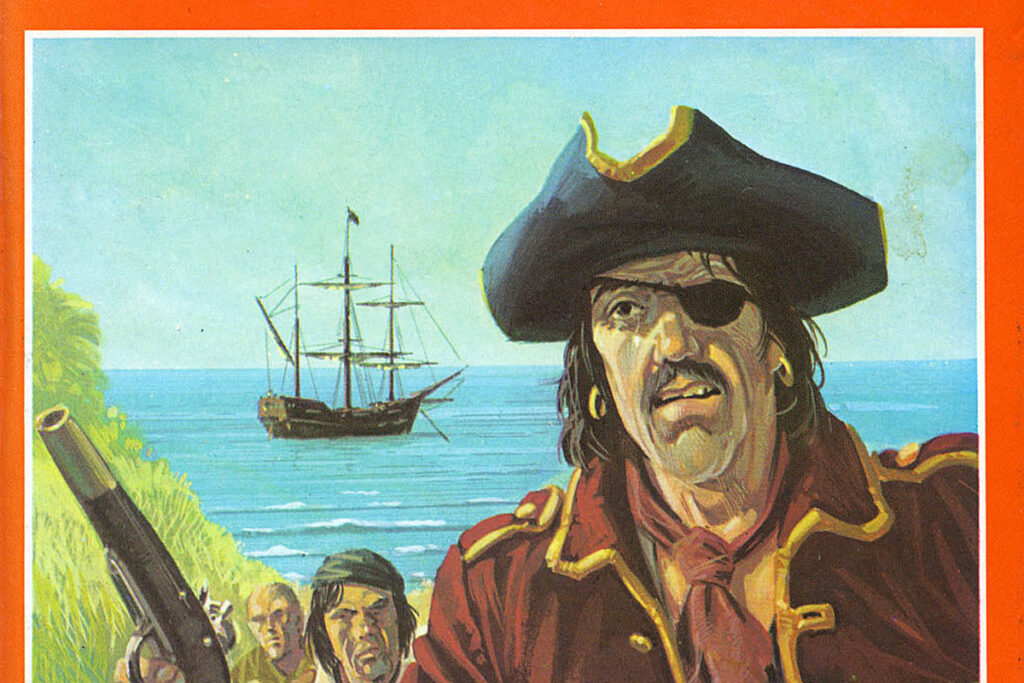
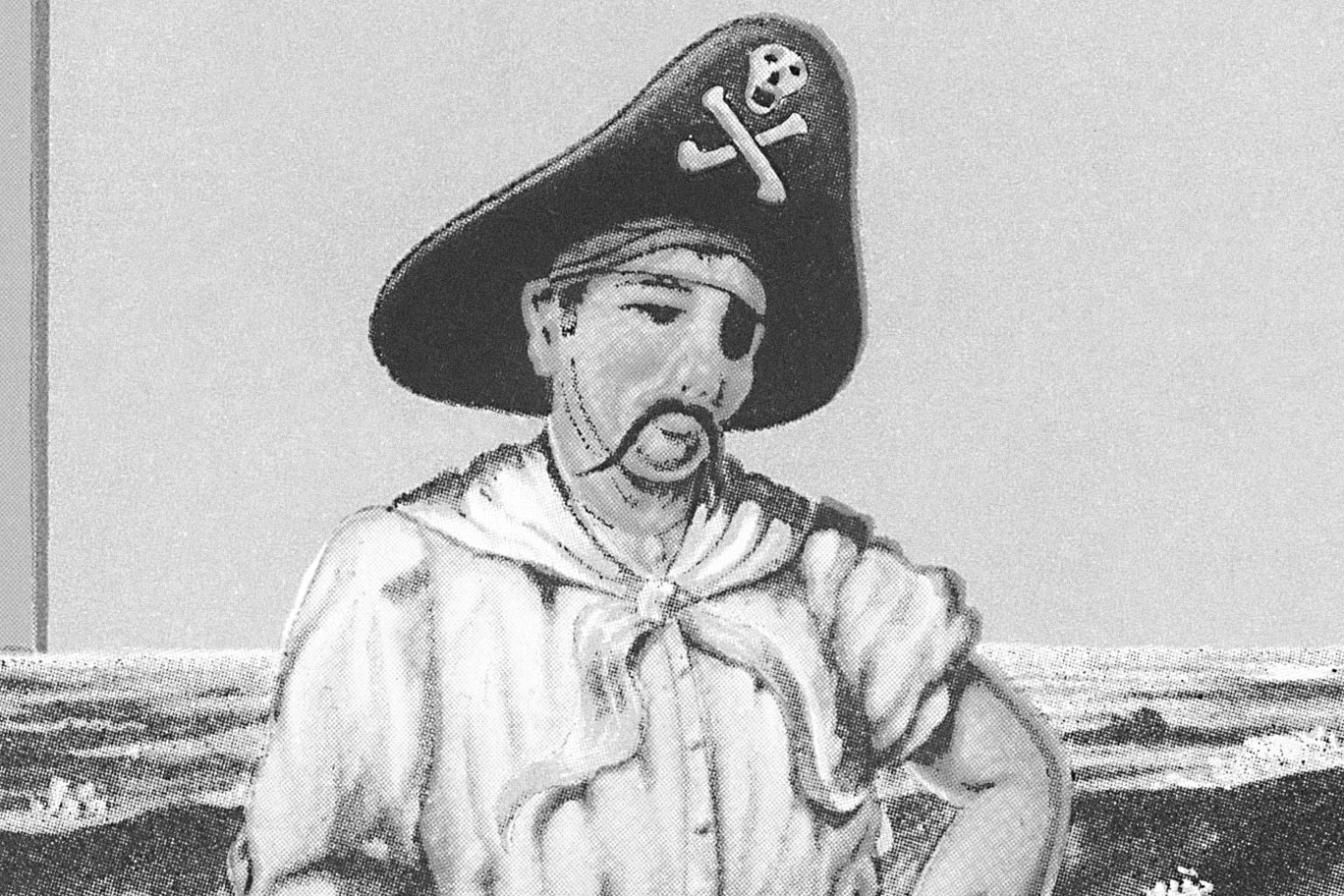
The cultural image of the pirate with a black eyepatch was heavily cemented by 19th-century literature and early cinema. Robert Louis Stevenson’s Treasure Island (1883) introduced Long John Silver, though the character’s iconic patch was largely an artistic addition by illustrators rather than explicit textual detail. Later film adaptations, particularly during the Golden Age of Hollywood, standardized the eyepatch as a visual shorthand for seasoned seafarers and outlaws. Studio costume designers recognized that asymmetrical facial features created immediate visual intrigue and suggested a life of danger without requiring dialogue to convey backstory.
Cultural Symbolism and Modern Pop Culture
Over time, the pirate eyepatch transcended its medical origins to become a globally recognized symbol of rebellion, mystery, and adventure. It appears in logo design, branding, and fashion as an emblem of rugged individualism. The trope persists because it efficiently communicates experience and survival through visual storytelling. Modern audiences associate the patch with swashbuckling lore rather than clinical necessity, yet historical medical analysis confirms that unilateral blindness was genuinely common among mariners. The enduring myth thrives on the intersection of factual trauma and romanticized narrative, proving that practical maritime adaptations can evolve into lasting cultural iconography.
Popular imagination often pairs pirates with a distinctive eye patch, but historical records rarely corroborate this image. Instead of a ubiquitous accessory, eye injuries among seafarers were plausible, and covered eyes would help protect wounds from infection during long voyages.
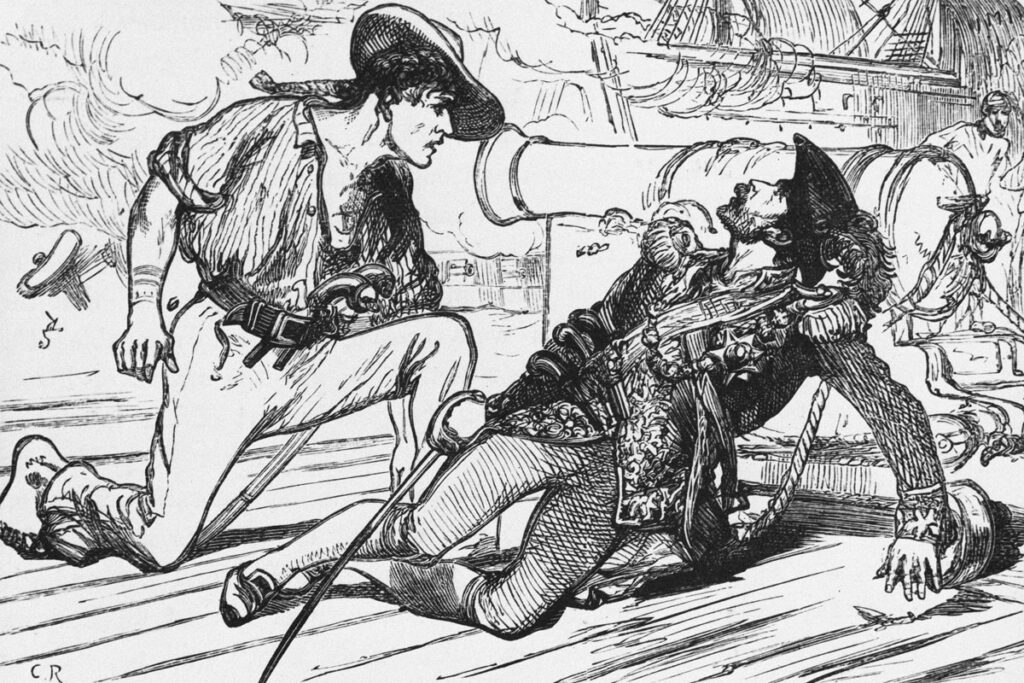
Historical anecdotes offer some support: sailors like Richard Griffin survived eye injuries from battles, and pirates such as Captain Samuel Burgess reportedly lived for years after losing an eye, with the loss arising from illness rather than combat. These examples suggest that, while not universal, an eye patch could have appeared in certain circumstances.
Night vision on the high seas is another popular theory. The idea is that sailors kept one eye shaded in daylight so it remained adapted to darkness, simplifying transition when moving between bright decks and dim belowdecks. This trick would only work in principle and is largely a contemporary interpretation rather than solid pirate-specific evidence.

When we examine the historical record, the late 17th to early 18th centuries—the so-called golden age of piracy—offers scant mention of eye patches. Pirate logs, naval records, and eyewitness accounts tend to describe clothing, weapons, and habits in great detail, but eye patches are notably absent from these sources.
Literature and art from later periods shaped the visual stereotype more than any actual pirate record. Early caricatures and adventure tales introduced the rugged, scarred seafarer with symbolic injuries, with eye patches appearing as a dramatic flourish rather than a documented norm. Works like The Pirates Own Book and popular fiction gradually embedded the image into public consciousness, long after the era of real buccaneers.
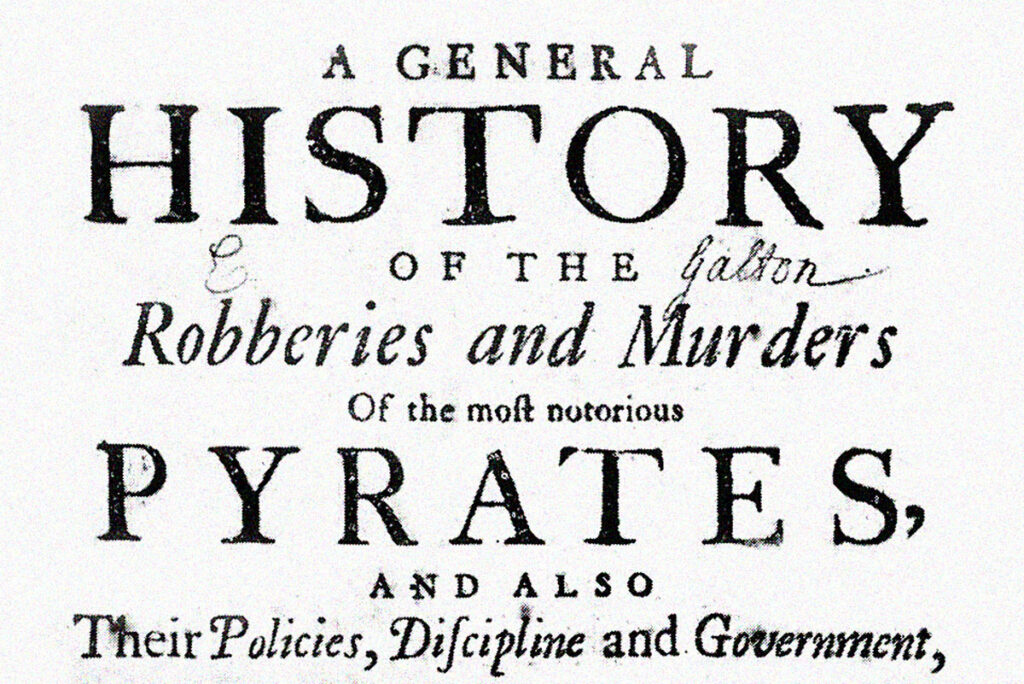
Howard Pyle and other 19th-century illustrators solidified *how* pirates are imagined, mixing flamboyant costumes with elements borrowed from broader maritime imagery. This blend helped establish an enduring archetype—one that authors and filmmakers would reuse for generations, often including the eye patch as a dramatic hallmark.