Geographical Distribution and Historical Foundations of Russian Sámi Communities
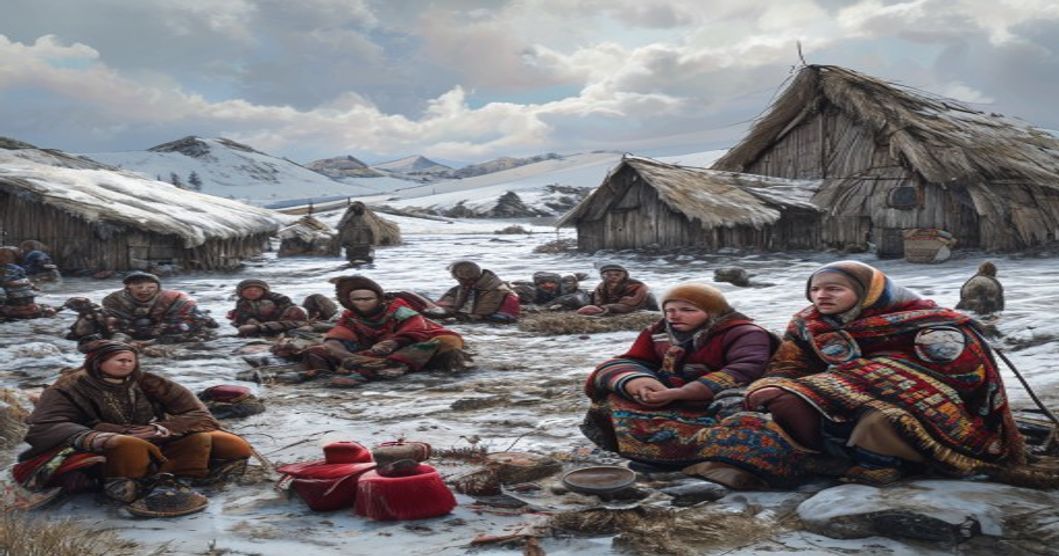
The Russian Sámi populations are primarily concentrated on the Kola Peninsula, spanning across Murmansk Oblast and extending into parts of northern Karelia. Historically, these indigenous groups inhabited vast Arctic and subarctic territories long before modern political borders divided their ancestral lands. The region’s harsh climate, dense boreal forests, and extensive tundra ecosystems shaped a resilient Sámi culture deeply intertwined with seasonal migration routes. Soviet-era border policies during the Cold War restricted movement across the Norwegian-Russian frontier, effectively fragmenting traditional Sámi territories and isolating communities within Russia. Despite these geopolitical disruptions, the core demographic remains centered in settlements such as Neiden (Russian: Nid), Lovozero, and Kildin Island, where intergenerational knowledge transmission has persisted.
Traditional Livelihoods and Resource Management
Reindeer herding historically served as the economic cornerstone of northern Sámi groups, particularly the Skolt Sámi and Kildin Sámi. Herders followed established transhumance routes between summer pastures in mountainous regions and winter grazing grounds in forested zones. This practice required precise ecological knowledge, including snow conditions, lichen availability, and animal health indicators. In coastal areas, marine fishing and seal hunting provided complementary protein sources, while inland communities relied on wild berry harvesting, medicinal plant foraging, and fur trapping. Traditional resource management operated under communal stewardship principles, ensuring sustainable yield without depleting fragile Arctic ecosystems.
Social Structure and Indigenous Worldviews
Kinship Networks and Community Governance
Sámi society historically organized itself around extended family lines known as siida, functioning as autonomous economic and administrative units. Each siida managed shared grazing lands, coordinated seasonal migrations, and resolved disputes through elder councils. Leadership emerged organically based on expertise in navigation, animal husbandry, or conflict mediation rather than hereditary privilege. Modern Sámi communities maintain siida-inspired cooperatives that oversee reindeer management, cultural education, and local resource allocation, preserving participatory decision-making traditions.
Spiritual Practices and Ecological Cosmology
Pre-Christian Sámi spirituality centered on animistic beliefs, recognizing sacred forces in natural elements such as mountains, waterfalls, and specific reindeer herds. Shamanic rituals, conducted by noaidi practitioners, involved drumming, trance states, and offerings to maintain harmony between human activity and environmental cycles. Sacred sites remained integral to seasonal ceremonies, reinforcing the philosophical principle that land ownership is collective stewardship rather than individual property. Contemporary Sámi activists frequently reference these cosmological frameworks to advocate for territorial rights and ecological preservation against extractive industries.
Linguistic Heritage and Material Culture
Language Diversity and Preservation Efforts
The Sámi languages spoken in Russia belong to the Uralic family, with Kildin Sámi and Inari Sámi representing the most widely practiced varieties. Both languages utilize complex noun cases, vowel harmony, and agglutinative grammar structures that encode detailed environmental observations. Soviet language policies historically suppressed indigenous education, leading to severe decline in native speakers. Today, grassroots initiatives collaborate with linguists to develop orthographic standards, produce bilingual literature, and integrate Sámi into regional school curricula. Digital tools and community-led documentation projects have accelerated revitalization progress.
Artistic Expression and Traditional Craftsmanship
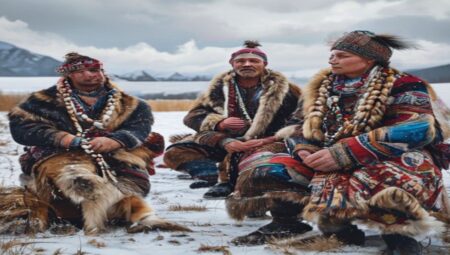
Sámi material culture reflects adaptive innovation in extreme climates. The traditional gákti costume utilizes reindeer leather, wool, and hand-dyed fabrics, with regional patterns denoting family lineage, marital status, and seasonal use. Duodji, the recognized Sámi craft tradition, encompasses knife-making, bone carving, and embroidery using sustainable materials sourced from daily subsistence activities. Vocal music remains a defining cultural marker, with yoik performances functioning as narrative devices that honor individuals, landscapes, and historical events rather than serving as conventional entertainment.
Contemporary Pressures and Cultural Resilience
Industrial Expansion and Policy Constraints
Large-scale mining operations, military testing zones, and infrastructure development on the Kola Peninsula have systematically encroached upon traditional Sámi territories. Nickel extraction, uranium processing, and port expansions have contaminated waterways, disrupted reindeer migration corridors, and restricted access to ancestral grazing lands. National legislation historically prioritized economic development over indigenous land tenure, though recent legal amendments recognize certain usage rights for reindeer herding and cultural activities. Advocacy groups continue monitoring environmental
Frequently Asked Questions
What is Russian Sami Communities and Their Lifestyle?
The Russian Sámi communities refer to the indigenous Sámi people living in the Murmansk Oblast of northwestern Russia, primarily on the Kola Peninsula. Their traditional lifestyle is deeply connected to reindeer herding, fishing, hunting, and crafting, reflecting a centuries-old adaptation to the harsh Arctic environment. While modernization and Russian cultural influences have impacted their way of life, many Sámi still maintain their distinct language, spiritual traditions, and seasonal migratory practices.
Key facts about Russian Sami Communities and Their Lifestyle?
Key facts include: (1) The Russian Sámi population is small, estimated between 2,000 to 3,000 individuals, making them the smallest Sámi group. (2) They primarily speak the Inari Sámi and Kildin Sámi languages, both under threat of extinction. (3) Reindeer herding, though less dominant than in Norway or Finland, remains a cultural cornerstone. (4) They face significant challenges including language loss, industrial development on ancestral lands, and limited political recognition compared to other Sámi groups. (5) Traditional clothing, known as “pavu” or “gákti”, features distinctive patterns and is still worn during cultural festivals.