Historical Roots and Geographic Presence
The Sami people in Norway represent one of Europe’s oldest indigenous populations, with a documented presence in the Arctic and sub-Arctic regions spanning thousands of years. Their ancestral territory, known as Sápmi, extends across northern Norway, Sweden, Finland, and Russia’s Kola Peninsula. In modern Norway, Sami communities are primarily concentrated in Finnmark, Troms, Nordland, and Trøndelag counties, where harsh climatic conditions have historically shaped unique adaptive strategies.
The Sápmi Region Across Borders
Border divisions established during the late nineteenth century fragmented traditional Sami grazing routes, yet cultural continuity persists through cross-border cooperation and shared linguistic ties. The Norwegian government officially recognizes Sápmi as a continuous indigenous homeland, acknowledging that political boundaries do not erase centuries of migratory patterns, trade networks, and ecological knowledge. Contemporary Sami advocacy emphasizes transnational identity while maintaining distinct national legal frameworks in each sovereign state.
Sami Population Distribution in Norway
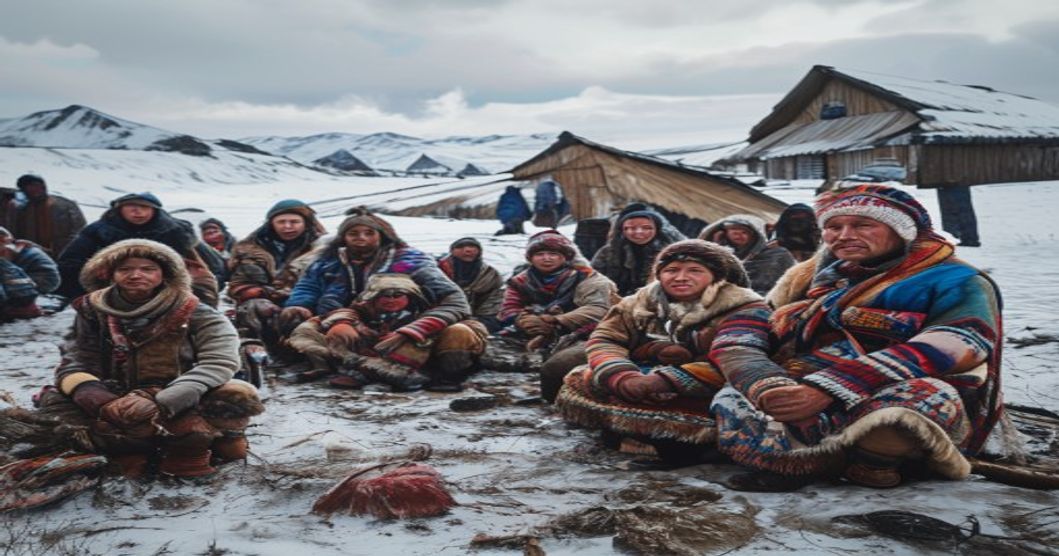
Current demographic estimates place the Sami population in Norway at approximately eighty thousand individuals, with official registers indicating roughly forty to fifty thousand registered voters in the Sami Electoral Roll. Despite geographic dispersion, cultural hubs remain anchored in municipalities like Kautokeino, Karasjok, Tana, and Snåsa. Urban centers such as Tromsø, Oslo, and Trondheim host vibrant diaspora communities that actively sustain linguistic programs, artistic collectives, and political organizations dedicated to indigenous rights.
Core Traditions and Cultural Identity
Sami cultural expression rests upon a foundation of oral tradition, ecological reciprocity, and communal resilience. Unlike many European indigenous groups, the Sami maintained continuous sovereignty over their linguistic and ritual practices despite centuries of assimilation policies. Modern identity construction blends ancestral customs with contemporary artistic innovation, ensuring that cultural markers remain living rather than museum-bound.
Language Preservation and Dialects
The Sami language family comprises eleven distinct dialects, divided into Western and Eastern branches. Northern Sami serves as the primary literary and administrative standard in Norway, while Lule Sami and South Sami face varying degrees of endangerment. State-supported immersion schools, broadcast media, and digital translation tools have reversed decades of linguistic decline. However, rural-to-urban migration continues to challenge intergenerational transmission, prompting grassroots initiatives that prioritize everyday conversational fluency over academic study.
Traditional Attire and Symbolism
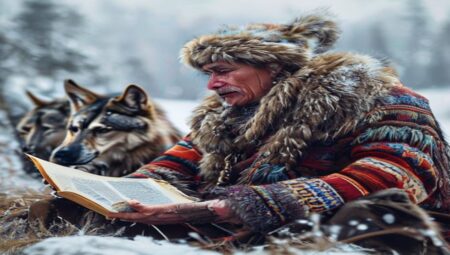
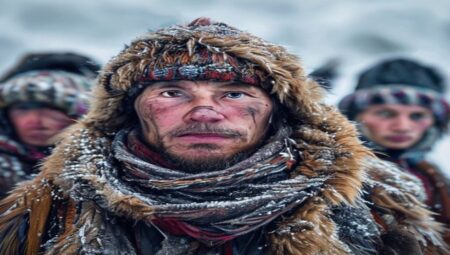
The Gákti functions as the definitive Sami national dress, featuring region-specific color patterns, silver buttons, and woven belts that communicate village origin, marital status, and social standing. Crafting a Gákti requires weeks of meticulous sewing, embroidery, and material selection, with reindeer leather forming the base in colder districts while wool dominates southern zones. Contemporary designers integrate traditional motifs
Frequently Asked Questions
What is Sami People of Norway: Culture and Daily Life?
The phrase refers to the Indigenous Sami communities residing in northern Norway, whose traditional culture and daily life are deeply intertwined with the Arctic environment. Historically, their livelihoods have centered on reindeer herding, coastal fishing, hunting, and seasonal migration. The Sami maintain a distinct linguistic heritage, traditional craftsmanship (duodji), and the vocal music style known as Joik. In contemporary Norway, Sami daily life blends modern education and technology with active cultural preservation, legal land rights, and political representation through the Sámediggi.
Key facts about Sami People of Norway: Culture and Daily Life
Key facts include: the Sami are the only officially recognized Indigenous people in the European Union and Norway with specific land and water rights; they speak approximately ten distinct Sami languages, with North Sami being the most widely used in Norway; traditional attire, called gákti, varies by region and signals family or village origin; reindeer herding remains a culturally vital and economically significant practice for a portion of the population; and the Sami Parliament (Sámediggi), founded in 1989, advocates for language rights, cultural autonomy, and sustainable land use across Sápmi.