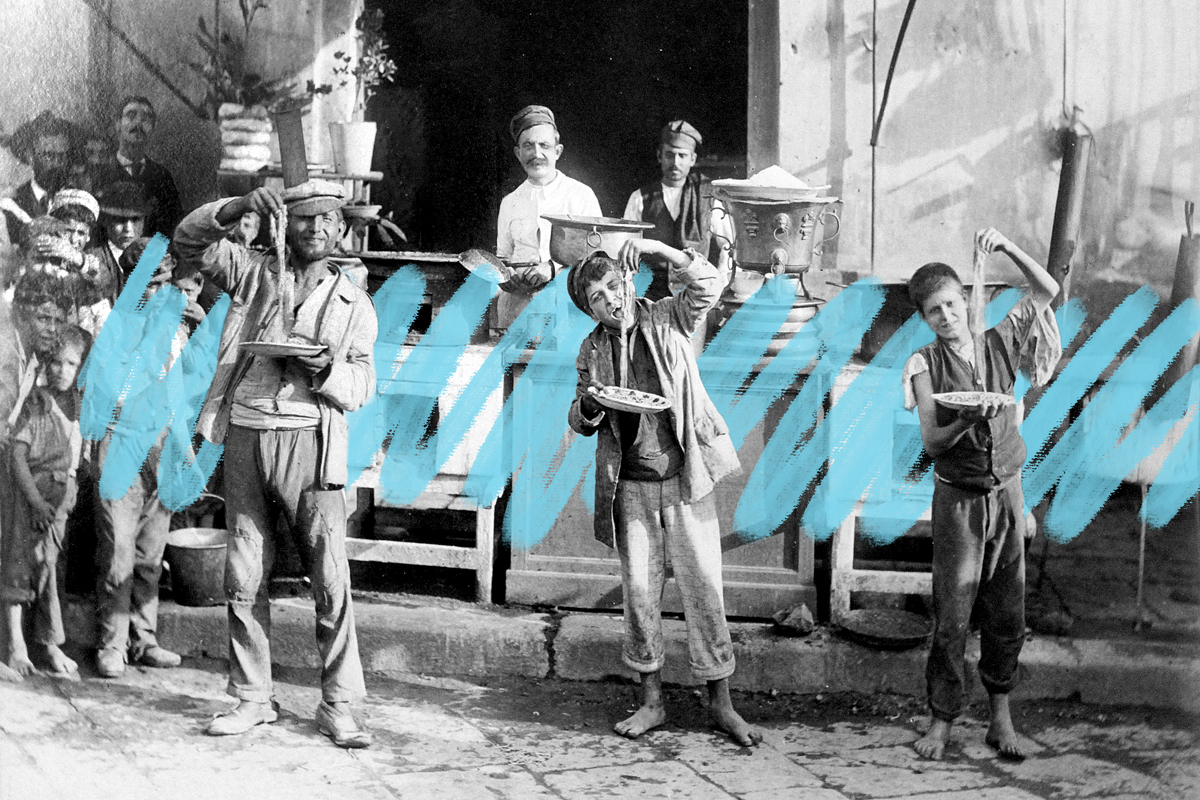
Pasta stood as a culinary staple across Italy, yet the fascist regime of the 1920s and 1930s cast it into a political spotlight. In an effort framed as public health reform, Mussolini’s government pushed a campaign that suggested fewer carbohydrates and more protein would strengthen the nation. Proponents claimed that those who ate pasta were sluggish, bloated, and masking deeper emotional voids, turning a common food into a symbol of national weakness.
Beneath the surface, the rhetoric aimed to curb foreign economic ties. Since pasta depended heavily on imported wheat, anti-pasta messaging realigned public life toward boosting domestic crops like rice, thereby tightening state control over daily routines. Resistance was widespread: in northern rice paddies, working-class women known as the mondine organized strikes over wages and conditions, while in Naples the mayor defended pasta with a playful boast: “The angels in Paradise eat nothing but vermicelli al pomodoro.”
As the 1940s arrived and World War II intensified, the regime’s grip on everyday diets loosened. The urgency of survival overshadowed dietary campaigns, and the public focus shifted from menu details to simply eating to endure the war’s pressures.