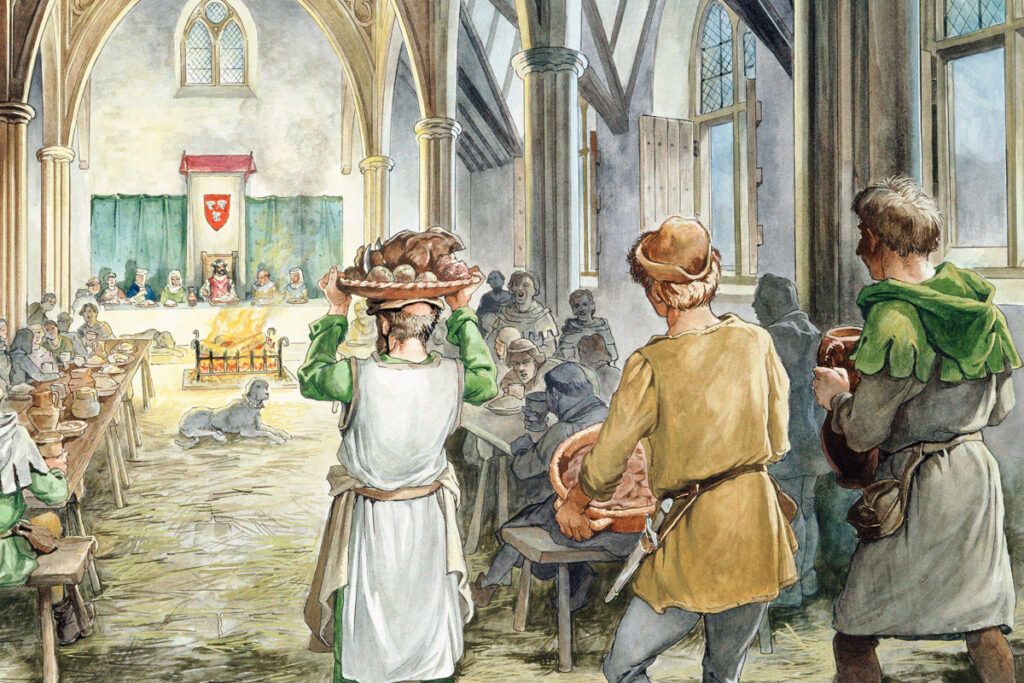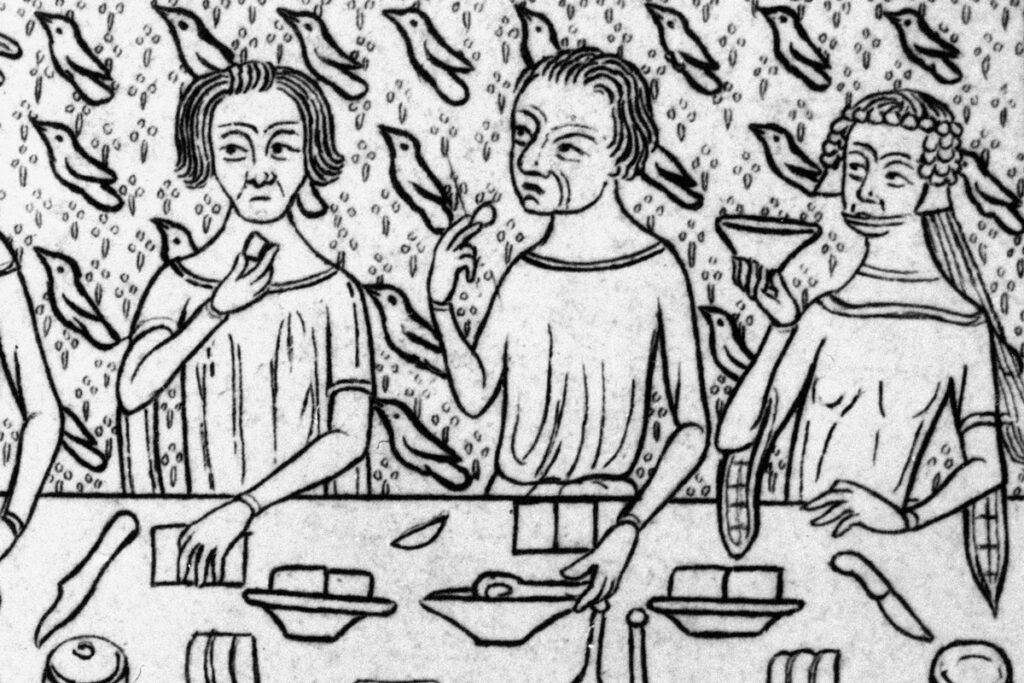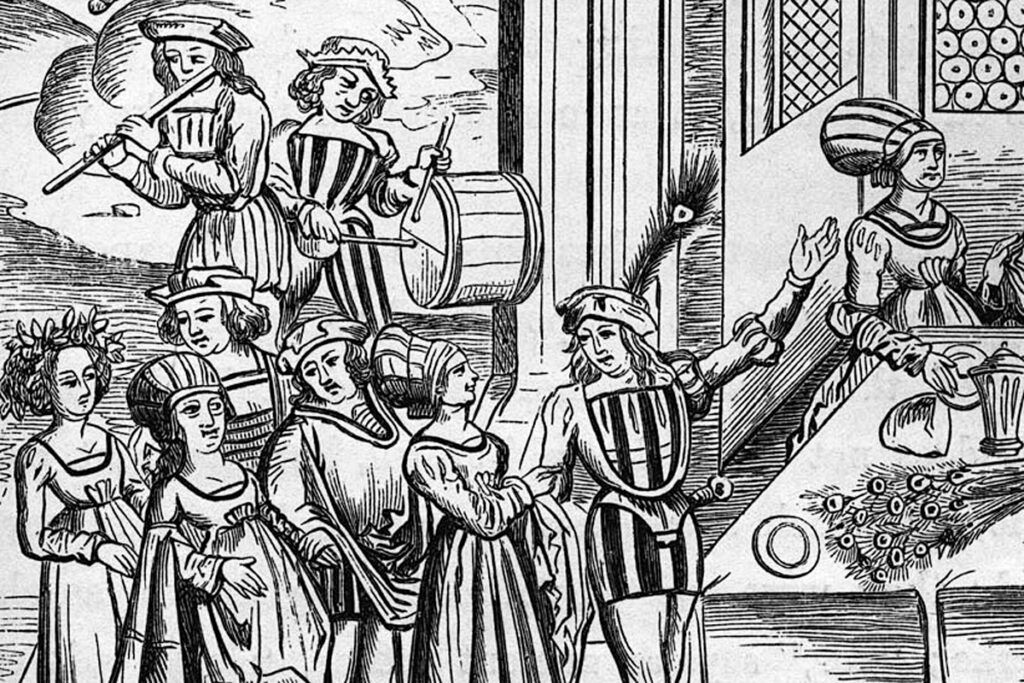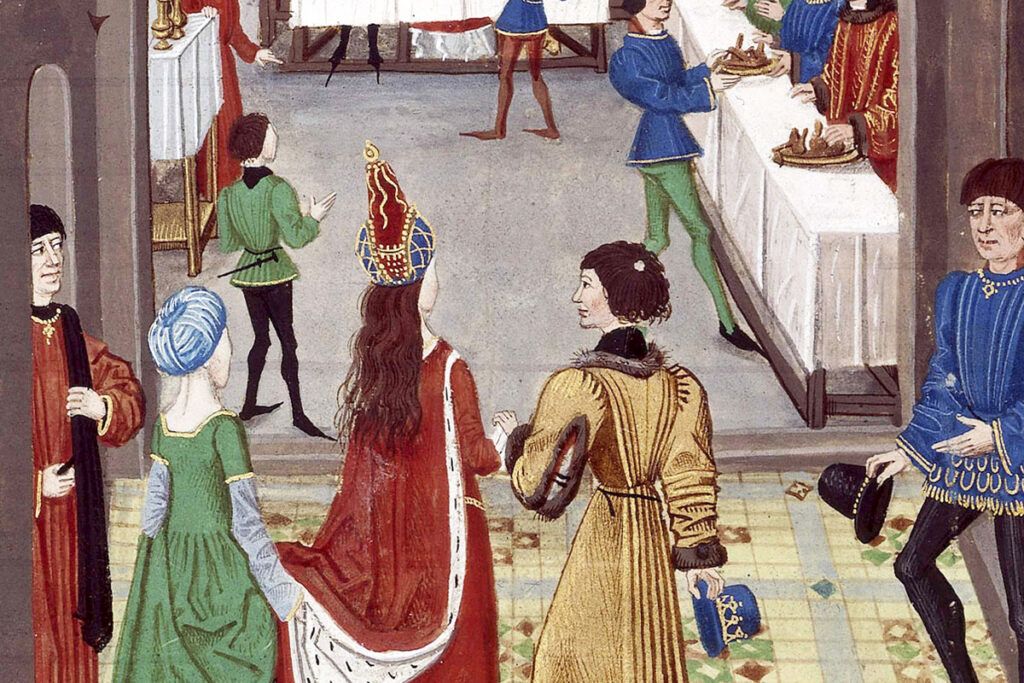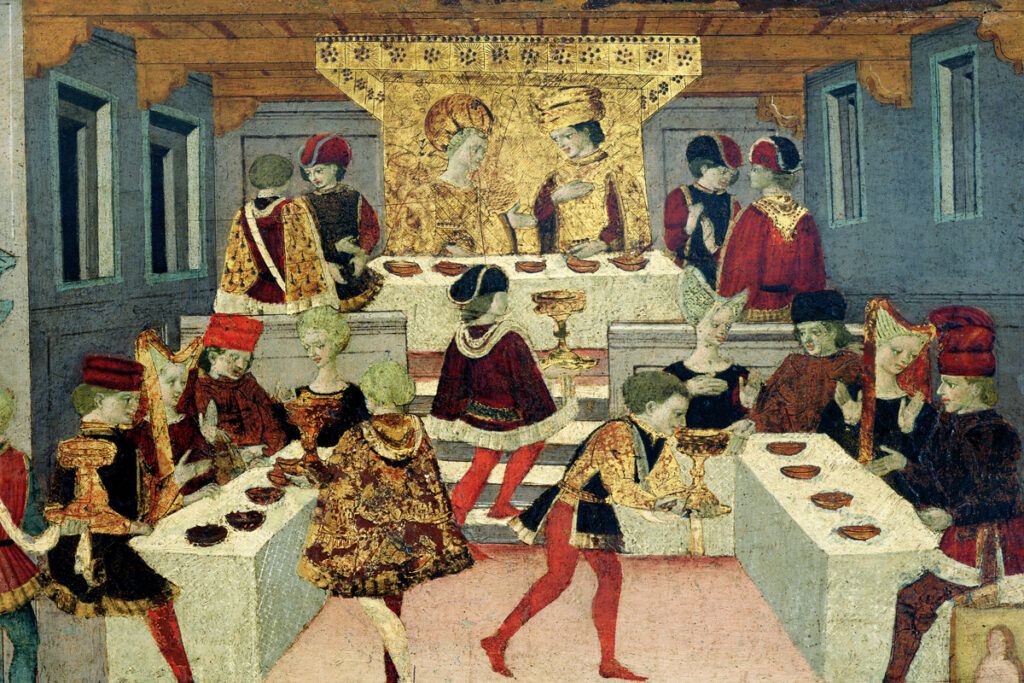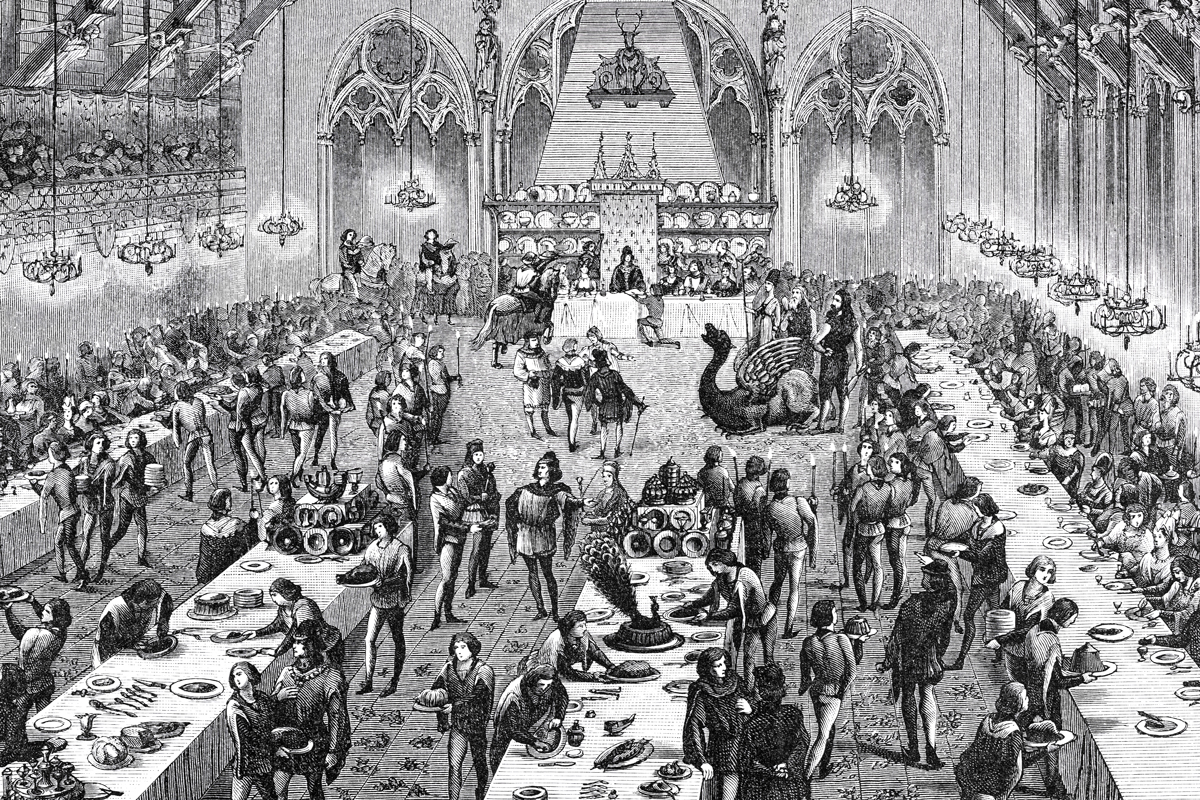
In grand halls across medieval Europe, feasts were less about simple dining and more about a calculated display of power. Kitchens labored for months, and the meal became a staged performance where every detail signaled wealth and influence. |
The modern image of a medieval banquet often includes oversized drumsticks and goblets tipping with wine, but history reveals a more nuanced picture. A feast frequently featured venison, pork, mutton, and beef, with rare appearances of swan. Seasonings like cinnamon, saffron, cloves, and nutmeg might flavor dishes, while sauces borrowed from dried fruits, wine, or vinegar underscored the era’s flavor complexity. Sugar, though coveted, was a luxury. Vegetables were integral too; pottages—thick stews enriched with onions, cabbage, and legumes—fed diners across all social strata. Even fish played a prominent role, thanks to favorable fasting rules in Christian practice that kept eel, cod, herring, and pike on elite tables.
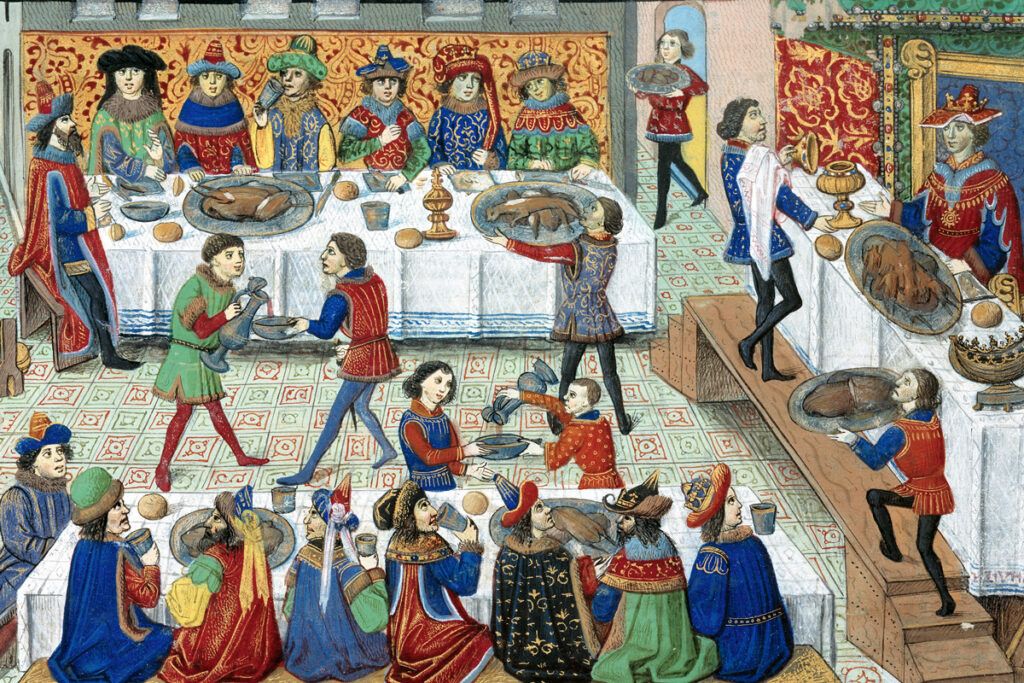
In sum, medieval feasts blended abundance with spectacle. They were meticulously crafted events, meant to project status as much as to satisfy appetite.