In the aftermath of World War II, Europe was reshaped by ideological lines that separated Western democracies from Soviet-influenced regimes to the east. The Cold War era introduced a symbolic boundary that sliced through the continent, commonly referred to as the Iron Curtain. The term emerged in the context of escalating tensions, signaling the stark contrast between two political worlds and the struggle for influence that defined decades of history.
Originally used to describe censorship and suppression within wartime contexts, the phrase “Iron Curtain” gained prominence after a famous speech delivered by Winston Churchill in 1946. The metaphor captured the sense of division that endured as some nations gradually embraced democratic reforms, while others remained under communist rule. Parallel to this, the phrase “Cold War” entered public discourse, underscoring the cooling but consequential rivalry between the United States and the Soviet Union.
The Term “Iron Curtain”
Historically, the expression began as a description of safety mechanisms in theaters, but it quickly evolved into a political symbol. Churchill’s remarks at Westminster College articulated a warning about Soviet influence and the containment of democracy in Europe, a message that resonated for generations.

The First Eastern Bloc Democratic Elections
For many years, Eastern Bloc governments maintained power through authoritative rule and the absence of fair elections. The year 1989 marked a turning point when Poland conducted its first Democratic elections since the war’s end, signaling a broader shift. The leadership of Tadeusz Mazowiecki in Poland highlighted a move toward Western-style economic and political reforms, followed soon by multiparty elections in neighboring countries such as Czechoslovakia and Hungary in 1990. These developments contributed to the rapid dissolution of the Iron Curtain and the eventual collapse of the Soviet system.

Albania’s Break with Soviet Alignment
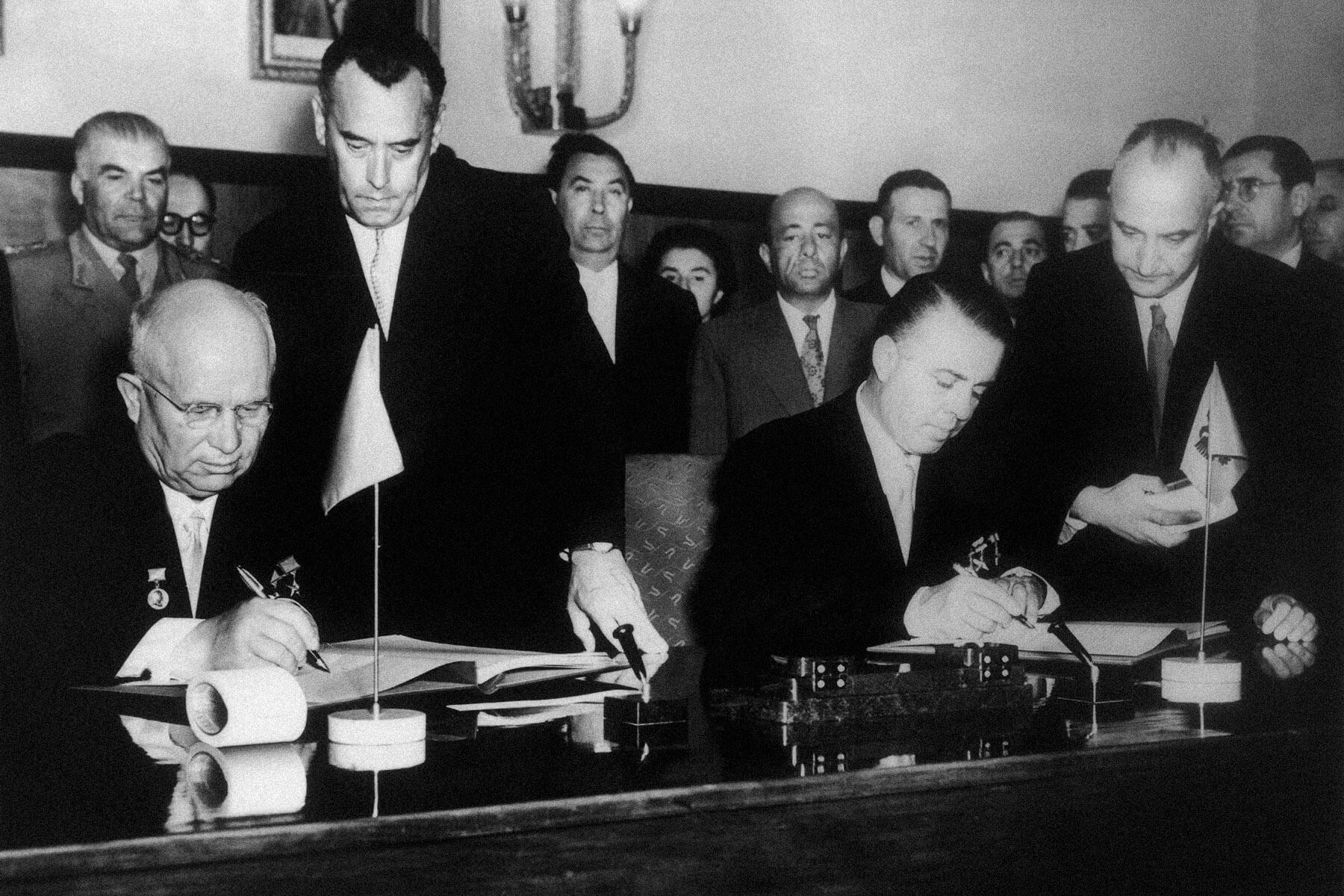
During the early Cold War, Albania initially aligned with the Soviet Union, but tensions between leaders and ideological shifts under Khrushchev strained this relationship. A parallel estrangement occurred between the USSR and China, pushing Albania closer to Beijing for a period. The dynamic changed again after diplomatic engagements in the 1970s, and the alliance with China gradually weakened, with Albania seeking new directions in foreign policy.
Jazz as a Propaganda Tool
Jazz emerged as a symbol of freedom and American cultural identity, which Western powers leveraged to influence audiences behind the Iron Curtain. Through clandestine radio broadcasts and secured performances, Western broadcasters sought to expose Eastern Bloc listeners to ideas of personal expression and open societies. The mid-to-late 1950s saw notable exchanges, including concerts in Poland that helped broaden the reach of Western culture beyond traditional state-controlled channels.

The Berlin Wall and a Critical Misstep
On November 9, 1989, a miscommunication by East German spokesman Günter Schabowski accelerated the fall of the Berlin Wall. His inadvertent announcement that travel between East and West could occur without delay sparked immediate reactions and unplanned mass movement. Crowds soon overwhelmed border guards, and the checkpoints opened, allowing East Germans to reunite with friends and family in West Berlin. The moment signified a pivotal turning point in European history, symbolizing the rapid unraveling of decades of division.