At first glance, it seems like a win-win situation. Tourists bring money, and in return, they get a glimpse of a rich culture that includes reindeer herding, traditional handicrafts, and breathtaking landscapes. But here’s where the plot thickens. The influx of visitors can sometimes blur the lines between authentic experiences and tourist traps. Have you ever felt like you were part of a performance rather than a participant in real life? That’s often the feeling for the Sami as they navigate the delicate balance between sharing their culture and preserving their way of life.
Moreover, with tourism comes a set of challenges that can rock the boat. Increased demand for resources may strain the environment that has nourished Sami communities for generations. Picture a bustling market filled with goods, but at what cost to the land? The overwhelming spotlight can sometimes cast shadows on the very traditions that make the Sami unique, leading to commercialization that discounts the essence of their identity.
From Tradition to Trend: The Dual Impact of Tourism on Sami Culture
You see, tourism has cast a double-edged sword over the Sami way of life. On one hand, visitors flock to witness the enchanting landscapes and embrace their colorful folklore. Who wouldn’t want to experience reindeer rides, traditional handicrafts, or the soulful sounds of the yoik? This influx of tourists does wonders for local economies, providing jobs and opportunities. Imagine being able to share your culture with the world, opening doors to a broader understanding and appreciation of your heritage. It’s a fantastic way to engage with the global community.
But let’s flip the coin. The weight of commercialization can sometimes overshadow authentic traditions. With the growing popularity of Sami-themed tourism, how can we ensure that cultural practices remain genuine? There’s a bit of a balancing act here. While some Sami embrace new opportunities, others fear that their traditions may become mere entertainment for curious travelers. Think about it: cultural elements that once held deep spiritual significance might risk being diluted or misrepresented to cater to tourists’ whims.
Moreover, as tourism grows, so does the challenge of sustainability. How do you protect the land and resources that hold the key to Sami identity while still inviting guests to explore? The dialogue continues, embodying a dynamic interplay where tradition meets contemporary trends. It’s like a carefully choreographed dance, where every step must honor the past while engaging with an ever-evolving future.
Exploring the Balance: How Tourism Shapes the Lives of Sami People
Tourism can be a double-edged sword for the Sami. On one hand, it opens doors. Visitors flock from all corners of the globe, eager to experience the rich tapestry of Sami culture—be it through storytelling, traditional crafts, or even tasting their mouthwatering reindeer dishes. This influx of curious souls can provide much-needed revenue and bolster local economies, giving the Sami people greater agency over their land and resources.
However, there’s a flip side. With greater foot traffic comes the risk of cultural dilution. Picture an art gallery constantly buzzing with tourists; it’s exciting, but what happens to that quiet space of creation? As more outsiders come in, the intimate connections to their heritage can sometimes get overshadowed by the commercial hustle. Authentic experiences may morph into curated performances, losing some of their soul in the process.
Moreover, the environment can feel the strain. More visitors mean more impact on the fragile Arctic ecosystem. The Sami’s traditional ways of living are intricately tied to this land, making any shift critical. Think about it: if you’re uprooting a tree, you’re not just losing wood; you’re affecting an entire ecosystem.
So, as we explore the balance of tourism’s impact on the Sami people, one question looms large: Can we enjoy their culture’s beauty without trampling on its roots? The answer lies in mindful tourism, where respect and sustainability come together, allowing both visitors and the Sami to thrive in harmony.
Tourism and Tradition: The Sami Communities’ Journey Through Modernity
Picture the Sami as guardians of their heritage, deeply connected to the land and its rhythms. They’ve carried their traditions for generations, telling tales of reindeer herding and the lore of the winds. But as tourism starts to bloom in their regions, these communities find themselves at a crossroads. It’s like having a foot in two worlds—one rooted in the past, rich with folklore and rituals, and the other racing toward a future filled with technology and new influences.
By inviting tourists to experience their culture firsthand, the Sami are showcasing their vibrant heritage like never before. Ever tried a sled dog ride through a winter wonderland? Those experiences are often led by Sami guides who share stories from their ancestors. It’s not just about the thrill; it’s about creating a meaningful connection between travelers and the Sami way of life.
Economic Boost or Cultural Erosion? Understanding Tourism’s Role in Sami Life
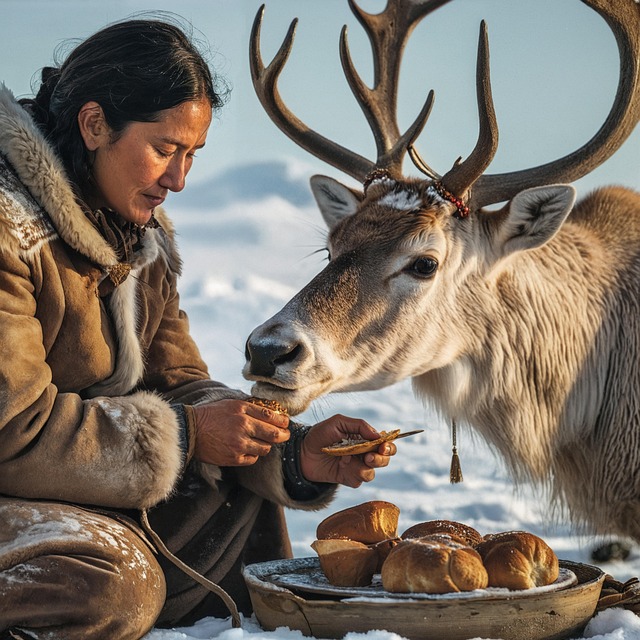
On one hand, tourism can be a lifeline. It injects cash into local communities, supports traditional crafts, and showcases the rich Sami culture to the world. Imagine a traveler sipping warm coffee served from a Sami family’s traditional tent, taking home unique handmade souvenirs. That’s not just a good story; it’s an infusion of financial resources, helping families sustain a livelihood and preserving their heritage in the process.
But there’s a flip side, isn’t there? As the tourist footfall increases, so does the potential for cultural dilution. It’s like planting a beautiful flower in a garden; while it blooms, it can overshadow the surrounding plants if not carefully tended to. The Sami traditions, language, and practices could be overshadowed by commercialized experiences tailored for tourists. Ever notice how sometimes the essence of something gets lost when it’s packaged for mass consumption?
By immersing in Sami traditions, tourists also risk transforming authentic practices into mere performances for entertainment’s sake. Imagine watching a vibrant ceremony through a camera lens rather than experiencing it with your heart. It’s a delicate balance; the Sami are at a crossroads where they seek to share their world while safeguarding their identity. So, in this push and pull of tourism, one must ponder: is the lift in the economy worth the risk of losing what makes Sami culture so unique?
The Sami Experience: How Tourism is Redefining Indigenous Identity
When tourists venture into Sami territories, they don’t just seek picturesque views of reindeer herding or mesmerizing folk dances; they’re yearning for authentic connections. It’s like a cultural exchange program, where visitors learn how to craft traditional Sami crafts while local artisans showcase their heritage. This interaction not only opens up a window for outsiders but also sparks a renewal of pride within the Sami community.
Think of it this way: tourism acts as a double-edged sword. On one side, it can commodify culture, turning vibrant traditions into mere tourist traps. But on the other, it provides the Sami with a platform to share their stories and reclaim their narrative. Imagine telling your own story while showcasing it to the world—the thrill of being the protagonist is undeniable!
As the Sami engage with tourists, they are redefining what it means to be indigenous in this fast-paced world. Language revitalization programs, workshops on traditional clothing, and culinary experiences rooted in ancient customs are surfacing, offering a fresh perspective on identity. It’s as if they’re painting a new canvas, blending their past with the future, and inviting everyone to step into their world.
So, next time you think of the Sami, remember: they aren’t just a piece of history; they’re a living testament to the resilience of culture, thriving through the challenges and opportunities tourism brings.
Visitors and Values: The Complex Relationship Between Sami Communities and Tourism
Picture this: a traveler arrives in a Sami village, excited to learn about reindeer herding and traditional crafts. It’s not just about snapping a few photos; it’s a chance to experience a way of life that’s entwined with nature. But here’s the catch—many Sami people are wary of tourism. They know their culture is precious, and there’s a fine line between showcasing it and commodifying it. Can tourism genuinely celebrate their heritage without stripping it bare?
From the Sami’s perspective, visitors are like double-edged swords. On one hand, tourism can bring economic benefits, helping communities thrive. Think of it as a much-needed lifeline in the Arctic, where jobs are scarce and winters harsh. But on the other hand, unchecked tourism can lead to cultural appropriation, where the heart of Sami traditions gets lost amid souvenir shops and slick marketing.
Moreover, respect is paramount. Imagine shouting out a secret but realizing it’s being broadcasted to the world. The Sami want their stories told, but they want them told right—without the sensationalism that can often accompany tourism. It’s about fostering genuine connections rather than mere transactions.
Sami Sustainability: Can Tourism and Cultural Heritage Coexist?
Picture tourists flocking to see the magnificent northern lights or embark on reindeer sledding adventures. It’s exhilarating! But here’s the catch: while all this excitement is happening, how do we ensure that the Sami way of life and their sacred lands are respected? It’s like hosting a party—sure, you want to invite everyone, but you also don’t want to trash your home in the process, right?
Sami communities have rich cultural heritages that encompass art, storytelling, and a deep connection to nature. When tourism thrives, there’s a danger that these unique practices could become mere performances for cash. Instead of treating visitors like casual observers, what if we engaged them in the Sami narrative? Imagine workshops where tourists could learn to craft like a Sami or participate in traditional fishing methods. It transforms passive consumption into active participation, fostering a genuine appreciation for the culture.
Moreover, sustainable tourism can provide financial support for the Sami, promoting their traditions while protecting their lands. Just think about it: every ticket sold for an eco-tour could directly fund a cultural preservation project. That’s a win-win! By creating conscious travel practices, we can ensure that the enchanting beauty of the Sami heritage continues for generations, like a cherished story passed down through time, vibrant and alive. So, as we lace up our hiking boots for that breathtaking trek, let’s tread lightly and embrace a mindful journey through Sami lands.
Frequently Asked Questions
How Has Tourism Changed Sami Cultural Traditions?
Tourism has significantly influenced Sami cultural traditions by promoting awareness and appreciation of their heritage, while also leading to commercial adaptations of traditional practices. This interaction can enhance cultural exchange but may also risk the authenticity of traditions as they are modified to cater to tourist expectations.
What are the Positive Effects of Tourism on Sami Communities?
Tourism can enhance the economy of Sami communities by creating jobs and generating income through cultural exchange and promotion of traditional crafts. It fosters greater awareness and appreciation of Sami culture and heritage, encourages preservation of language and traditions, and provides opportunities for cultural education. Responsible tourism also supports sustainable practices, contributing positively to environmental conservation within these communities.
What Challenges Do Sami Communities Face Due to Tourism?
Sami communities encounter several challenges due to tourism, including cultural commodification, loss of traditional practices, environmental impacts, and social disruption. The influx of tourists can lead to exploitation of their heritage and resources, often prioritizing profit over the community’s needs. Balancing economic benefits with the preservation of identity and practices is essential for sustaining Sami culture amidst growing tourism.
In What Ways Does Tourism Support Sami Economic Development?
Tourism plays a vital role in enhancing the economic development of the Sami people by providing job opportunities, fostering cultural exchange, and creating markets for traditional crafts and services. It helps preserve the Sami culture through increased awareness and appreciation while generating income that supports local businesses and community projects. Through sustainable tourism practices, the Sami can maintain their traditions while benefiting economically.
How Can Tourists Respect Sami Culture While Visiting?
To honor Sami culture during your visit, educate yourself about their traditions, language, and history. Engage respectfully with local communities, participate in cultural events, and seek permission before photographing people or sacred sites. Avoid purchasing items made from reindeer or other culturally significant materials without understanding their significance. Supporting local Sami businesses and guides can also promote sustainable tourism and cultural preservation.