Picture this: you’re out in the snowy wilderness, where the crisp air bites at your cheeks, and the northern lights dance overhead. You step into a lavvu and instantly feel the warmth envelop you. Traditionally made from wooden poles and covered with reindeer skins or canvas, these conical tents are ingeniously designed to withstand the harsh Arctic climate. The pointed roof allows for snow to slide off easily, while the open fire pit at the center keeps everyone toasty.
The lavvu serves multiple functions in Sami life. Think of it as their home away from home during reindeer herding, which is central to their culture. When Sami herders set out with their reindeer in search of grazing pastures, the lavvu is their go-to shelter. It’s portable, easy to set up, and offers a communal space for storytelling, eating, and bonding.
Plus, the experience of gathering around the fire in a lavvu creates a strong sense of community. It’s like a warm hug from the past that keeps traditions alive. When you step inside, you’re not just entering a physical space; you’re stepping into a living history, where each corner tells tales of resilience, adaptability, and a deep respect for nature.
In today’s world, while modern homes and technology may dominate, the lavvu remains a powerful reminder of the Sami people’s heritage and their enduring relationship with the natural world.
Inside the Lavvu: Exploring the Traditional Sami Tent and Its Cultural Significance
The lavvu is designed like a conical structure, much like a giant teepee, but with some twists that make it distinctly Sami. Picture a circle of wooden poles forming its frame, covered with animal hides or specialized fabric that lets it breathe yet keeps warmth inside. It’s practical and ingenious, allowing the Sami to adjust it based on the weather. When the wind howls like a wild wolf outside, the lavvu stands firm, a testament to resilience and resourcefulness.
But the lavvu is more than just a shelter—it’s a cultural epicenter. Families gather around a crackling fire in the center, sharing stories and traditions that thread their history together like a beautifully woven tapestry. Have you ever experienced a place where time seems to stand still? That’s the feeling a lavvu evokes, immersing visitors in tales of reindeer herding, the mesmerizing Northern Lights, and deep-rooted customs that define Sami identity.
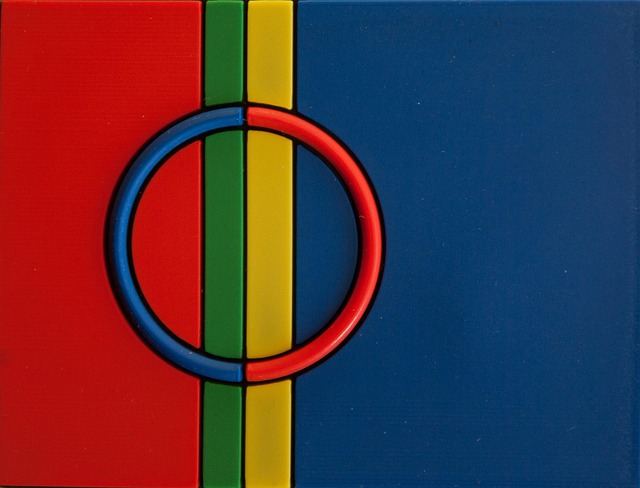
In essence, the lavvu is a living symbol of connection—between people, nature, and heritage. It’s a space where laughter echoes, traditions are passed down, and the spirit of the Sami thrives. So, the next time you think of a tent, remember that this isn’t just any ordinary shelter; it’s an intricate part of a vibrant cultural landscape that continues to inspire and draw people into the heart of Arctic life.
From Shelter to Symbol: The Lavvu in Sami Heritage and Modern Life
The lavvu, with its conical shape and sturdy construction, has provided warmth and safety to the Sami people for centuries. Made from wooden poles and covered with animal hides or canvas, this remarkable structure showcases the Sami’s deep connection to nature. Imagine wandering inside one, the crisp air replaced by a cozy ambiance where families gather around a fire, sharing stories and meals. It’s the heart of a community, pulsating with life and tradition.
But the lavvu isn’t just a relic. In modern society, it has transformed into a symbol of Sami identity and resilience. As the global narrative shifts towards sustainability and environmental consciousness, the lavvu stands tall as a model of eco-friendly living. More than ever, it’s celebrated in art, festivals, and tourism, inviting people from around the world to experience its cultural significance firsthand.
Crafting Community: How the Lavvu Brings Sami People Together
The Lavvu isn’t just a structure; it’s a living emblem of togetherness. It mirrors the Sami way of life, where community bonds are as essential as that first cup of warm coffee on a chilly morning. This tent, made from natural materials like wood and animal hides, represents resilience and harmony with the environment. Think of it like a hug from Mother Nature herself, reminding everyone inside that they belong. Whether it’s during reindeer herding or festive gatherings, this gathering space facilitates intergenerational connection, ensuring that stories of the past aren’t lost.
Ever noticed how sharing a meal with loved ones feels different? With a Lavvu at the center, the experience becomes magical. The aroma of traditional dishes wafts through the air, and it’s not just about the food; it’s about unity and tradition. Just like bees buzzing around their hive, each person brings their unique sweetness to the collective experience, strengthening relationships and fostering cultural pride.
The Lavvu encourages collaboration and creativity, enabling the Sami people to maintain their cultural heritage in a world that’s rapidly changing. It’s a sanctuary where generations blend, creating a tapestry of stories and shared experiences—one that echoes through the winds of the Arctic, inviting everyone to partake in the rich legacy of the Sami culture.
The Lavvu: A Sustainable Living Space Rooted in Sami Tradition
Living in a lavvu is like sleeping under a celestial blanket. The conical shape allows snow and rain to slide off easily while keeping the interior toasty, thanks to a fire pit at its center. It’s an ingenious design that has catered to the Sami’s nomadic lifestyle for centuries. You can almost feel the stories of reindeer herding dance in the flickering flames, linking generations through time. Who wouldn’t want to feel that connection?
But the lavvu isn’t just about tradition; it’s also about sustainability. Its materials are typically sourced from the surrounding environment, minimizing its ecological footprint. Picture planting roots in a community that relies on what’s available, crafting homes that don’t take from the earth but rather live alongside it. How revolutionary is that?
Beyond the Basics: The Lavvu’s Role in Sami Spiritual and Cultural Practices
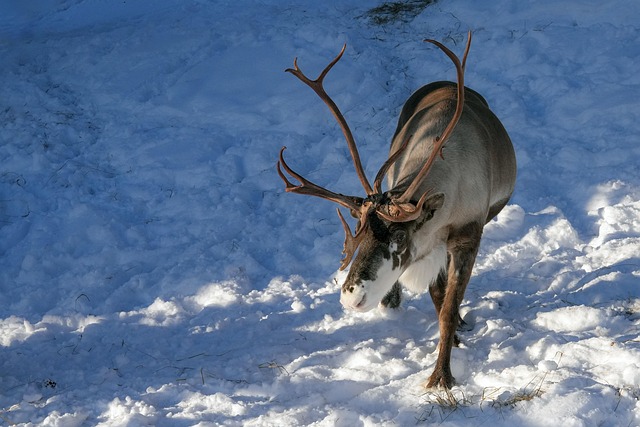
The lavvu isn’t just a tent; it’s a conduit for community and connection. When you step inside, you’re not just entering a structure; you’re walking into centuries of tradition. Sami gatherings around the fire in a lavvu often pulse with storytelling, song, and shared laughter, reinforcing bonds that carve the essence of their identity. It’s like a heart beating in synchronicity with the people, where every story told keeps their history alive.
But the lavvu is also deeply spiritual. Think of it as a universe unto itself, where every pole holds a story, and every fabric flap can whisper ancient secrets. The Sami believe that the lavvu acts as a bridge between the earthly realm and the spiritual world. When they perform rituals within its walls—calling on the spirits of nature, asking for guidance or protection—the lavvu transforms into a sacred space, a site where the hum of the spirits can be heard.
Wonders of the Lavvu: An Architectural Marvel of the Arctic
The Lavvu is a conical tent, crafted from wooden poles and covered with animal skins or modern materials, designed to withstand the harsh Arctic weather. Picture it standing tall against the biting wind, its shape mimicking the natural landscapes around it. Isn’t it fascinating how something so simplistic can be so effective? Just like wearing a thick jacket on a snowy day, this structure is a smart response to the environment—a cozy refuge in the wilderness.
When you step inside, it’s like entering a warm embrace. The open space draws your eyes upward to a central opening, allowing smoke from the fire to escape, while inviting soft rays of sunlight to dance inside. It’s where stories are told, where laughter echoes, and where the spirit of community lives. Each Lavvu tells a story, reflecting the resilience and ingenuity of the people who have called it home for generations.
Have you ever thought about how our living spaces connect us to the world around us? The Lavvu is a perfect example. It embodies sustainability through its materials and design, showing us a way to harmonize with nature rather than fight against it. Just like nature adapts and evolves, so does the Lavvu, standing as a testament to the enduring spirit of the Arctic and those who thrive within it. So, next time you think of architectural wonders, remember the Lavvu, a true gem of the North.
Frequently Asked Questions
What materials are Lavvus made from?
Lavvus are made from high-quality, sustainable materials, including natural fabrics, eco-friendly plastics, and sturdy structural components designed for durability and weather resistance, ensuring a comfortable and safe shelter.
What is a Lavvu?
A Lavvu is a traditional tent used by the Sami people of northern Scandinavia, designed to provide warmth and shelter in cold climates. Its conical shape allows for efficient heat retention and quick ventilation, making it ideal for temporary living or as a base during outdoor activities.
How do Sami People use Lavvus?
Lavvus are traditional tents used by the Sami people, primarily for shelter during reindeer herding and outdoor activities. Constructed from wooden poles and covered with felt made from reindeer wool, these structures offer warmth and protection from harsh weather. Their design allows for ease of assembly and disassembly, enabling mobility across the Sami’s vast territories while maintaining a connection to their cultural heritage.
How do Lavvus differ from other types of tents?
Lavvus are unique tents characterized by their conical shape and traditional design, often made from durable fabric or natural materials. Unlike other tents, they offer superior stability in windy conditions and provide ample headroom and space for movement. Their design facilitates efficient heating and ventilation, making them suitable for various climates.
What is the cultural significance of Lavvus for the Sami?
Lavvus are traditional tents used by the Sami people, symbolizing their nomadic lifestyle and cultural heritage. These structures represent a deep connection to the land, nature, and seasonal rhythms. The lavvu serves as a communal space for shelter, gatherings, and rituals, embodying the resilience and adaptability of the Sami culture while preserving their unique identity.