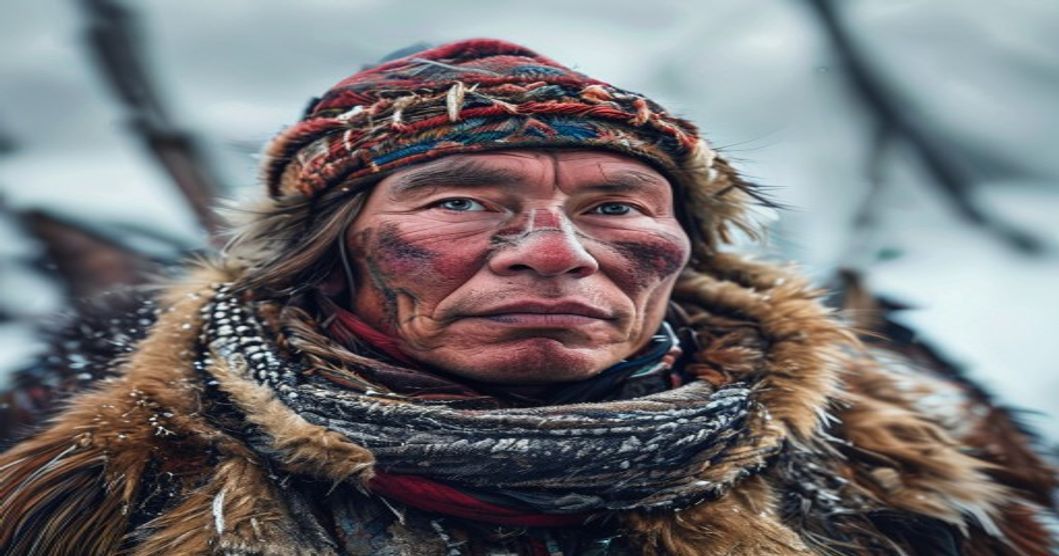
The Historical Context of Sámi Identity and Territorial Claims
The Sámi are recognized as Europe’s only indigenous people with continuous settlement across the northern territories of Norway, Sweden, Finland, and Russia. Historically, their presence in these regions predates modern nation-state formation, establishing ancestral claims that intersect directly with contemporary legal frameworks. Colonial expansion during the 18th and 19th centuries systematically marginalized Sámi governance structures, imposing border restrictions that fragmented traditional migration routes and resource access. Despite centuries of assimilation policies, Sámi territorial continuity remains a cornerstone for modern indigenous rights advocacy, particularly in disputes over land ownership and resource extraction.
Geographic Spread Across Four Nations
The Sámi homeland, known as Sápmi, spans the Arctic and sub-Arctic zones of four sovereign states. Each nation applies distinct legal interpretations to indigenous status, resulting in fragmented rights enforcement. Norway and Sweden recognize the Sámi as an indigenous people under international law, while Finland grants limited constitutional protections. Russia classifies the Sámi among other “Small-Numbered Peoples,” applying a different statutory framework that often prioritizes state resource development over indigenous autonomy. This geopolitical fragmentation directly impacts the implementation of Sámi land rights and cross-border cultural preservation.
Pre-colonial Sovereignty and Colonial Encroachment
Before modern border treaties, Sámi communities operated through decentralized chieftaincy systems and customary law governing reindeer husbandry, fishing, and seasonal resource management. The Treaty of Brömsebro (1645) and subsequent treaties imposed fixed borders that disrupted traditional ecological knowledge transmission. State-led taxation, missionary education, and forestry concessions gradually eroded indigenous self-governance. Contemporary legal battles continue to reference these historical precedents to establish indigenous sovereignty in Europe and challenge state monopolies over natural resources.
Legal Frameworks Protecting Sámi Rights
The protection of Sámi rights operates through a multi-layered legal architecture combining international instruments, regional treaties, and domestic legislation. International mechanisms provide normative standards, while national implementations determine practical enforcement. The convergence of these frameworks has established Sámi political representation as a benchmark for indigenous governance in the Nordic region.
International Conventions and UNDRIP Implementation
The United Nations Declaration on the Rights of Indigenous Peoples (UNDRIP) establishes the legal baseline for Sámi rights, particularly regarding free, prior, and informed consent (FPIC) over development projects. ILO Convention No. 169 further obligates signatory states to recognize indigenous land tenure and customary resource use. While Norway, Sweden, and Finland have ratified these instruments, domestic courts frequently interpret FPIC as consultative rather than veto-based. Legal scholars argue that aligning national jurisprudence with UNDRIP Sámi implementation standards remains critical for meaningful rights protection.
National Legislation: The Finnmark Act and Sami Parliaments
Norway’s Finnmark Act (2005) transferred ownership of approximately 95% of Finnmark County to the local population, with the Finnmark Estate administered jointly by the Norwegian government and the Sámi Parliament. This landmark legislation established a precedent for Sámi land rights in Europe. Each Nordic country has also established a Sámi Parliament, elected by Sámi citizens, which exercises advisory authority over cultural policy, language funding, and reindeer husbandry regulations. While these institutions advance political recognition, their statutory powers remain limited to consultation rather than legislative veto.
Contemporary Challenges to Indigenous Autonomy
Sámi communities face intersecting pressures from industrial development, environmental degradation, and policy implementation gaps. The tension between economic modernization and indigenous rights continues to define legal and political discourse across Sápmi.
Land Extraction Projects vs. Traditional Livelihoods
Mining, wind energy infrastructure, and forestry concessions frequently overlap with registered reindeer grazing areas and sacred sites. State licensing procedures often prioritize corporate investment over Sámi environmental rights, leading to protracted litigation and cross-border advocacy campaigns. The Kiirunavaara iron ore expansion and coastal wind farm developments demonstrate how resource extraction directly impacts reindeer herding logistics, water quality, and biodiversity. Legal challenges increasingly invoke customary land use patterns to demand stricter impact assessments.
Climate Change Impact on Reindeer Herding and Ecosystems
Rapid Arctic warming disrupts traditional seasonal migration cycles, causing ice layers that prevent reindeer from accessing lichen and altering predator-prey dynamics. Sámi herders rely on traditional ecological knowledge to adapt grazing patterns, but accelerating environmental shifts outpace adaptive capacity. Scientific studies confirm that temperature fluctuations and precipitation changes correlate with reduced calf survival rates and increased livestock mortality. Indigenous adaptation strategies now integrate satellite monitoring, community-based data collection, and policy advocacy for climate-resilient land management.
Strategies for Sámi Self-Determination and Cultural Continuity
Preserving Sámi identity requires coordinated efforts in language revitalization, economic independence, and educational reform. These strategies form the foundation of sustainable indigenous development in modern Europe.
Educational Revitalization and Language Preservation
The Sámi languages, belonging to the Uralic family, face varying degrees of endangerment across different dialect groups. Immersion schools, digital language apps, and university programs have increased youth participation in Sámi-medium education. Curriculum reforms now mandate Sámi history and cultural studies in northern regions, strengthening intergenerational knowledge transfer. Funding allocations for Sámi language preservation continue to expand, though regional disparities in teacher availability and material standardization remain operational challenges.
Economic Empowerment Through Indigenous-Led Enterprises
Sámi entrepreneurs are developing businesses centered on sustainable reindeer products, traditional handicrafts (duodji), eco-tourism, and digital media. Cooperative models emphasize community profit-sharing, fair-trade certification, and intellectual property protections against cultural appropriation. Government grants and Nordic development funds increasingly support indigenous startups, though access to venture capital and market scaling require structural reforms. Economic self-sufficiency directly correlates with reduced dependency on state subsidies and enhanced political leverage in resource negotiations.
The Future Trajectory of Sámi Governance and Policy Integration
The long-term viability of Sámi rights depends on institutional strengthening, transnational cooperation, and the integration of indigenous perspectives into mainstream policy frameworks.
Strengthening Transnational Sámi Cooperation
The Sámi Council and Nordic Sámi Parliament cooperation facilitate cross-border policy alignment, legal research sharing, and unified advocacy before international bodies. Harmonizing land registries, standardizing reindeer herding regulations, and creating a unified Sámi environmental monitoring network require deeper political commitment from all four nations. Strengthened Sámi governance structures will likely push for formal observer status in Arctic Council working groups and expanded representation in EU indigenous rights dialogues.
Mainstreaming Indigenous Rights in Nordic Climate Policy
Nordic climate strategies increasingly recognize that decarbonization must not replicate colonial land-use patterns. Integrating Sámi customary law into wind farm siting guidelines, establishing indigenous co-management zones for biodiversity conservation, and funding Sámi-led carbon offset initiatives represent actionable policy pathways. Future governance models will likely shift toward consent-based development frameworks, where infrastructure projects require documented community approval before proceeding. The trajectory of Sámi rights in Europe hinges on translating international declarations into enforceable domestic statutes and securing equitable resource distribution mechanisms.
Indigenous Rights of the Sami People: Frequently Asked Questions
What is Indigenous Rights of the Sami People?
The Indigenous Rights of the Sami People refer to the legal, cultural, and political entitlements of the Sami, the only officially recognized Indigenous people of Europe, to maintain their traditional livelihoods, language, and self-governance across their ancestral territories in Norway, Sweden, Finland, and Russia.
Key facts about Indigenous Rights of the Sami People
Key facts include the establishment of Sami Parliaments in Norway, Sweden, and Finland for political representation, the legal recognition of reindeer herding as a protected livelihood, the ongoing efforts to secure land and water rights through domestic courts and international bodies like the UN, and the cultural revitalization movements centered on the Sami language and traditional arts like duodji and joik.