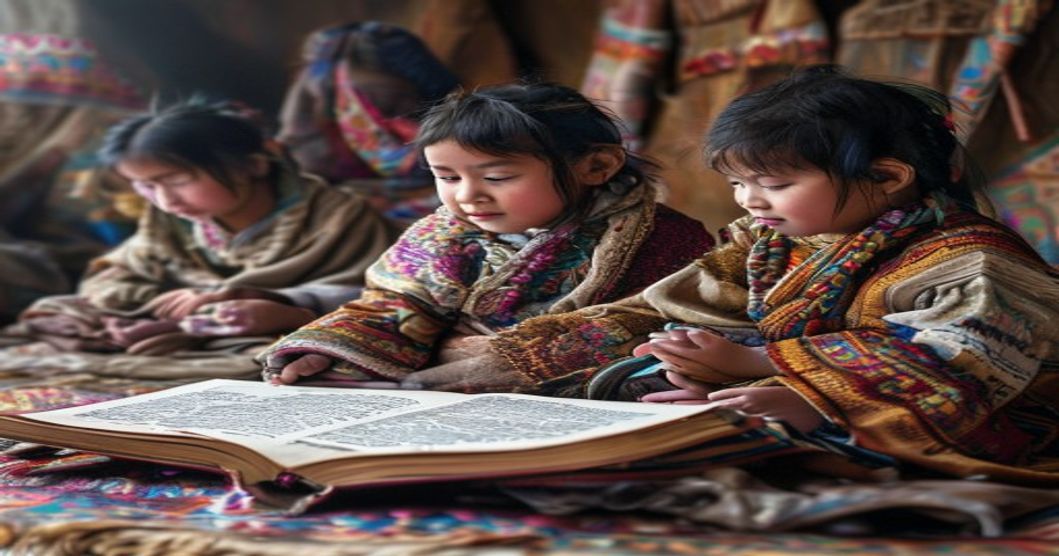
The Arctic Foundation of Sami Children’s Tales
The Sami children’s tales emerge from a geographical and cultural ecosystem where survival, reverence, and storytelling intersect. The vast tundra, glacial valleys, and shifting ice seas of Lapland do not merely serve as backdrops; they function as active narrative forces. In this Arctic legacy, weather patterns dictate plot progression, animal migrations signal temporal shifts, and the aurora borealis often operates as a mystical bridge between human and spirit realms. These stories reject domesticated fantasy settings, grounding their magical elements in real ecological relationships that define northern indigenous life.
Landscapes as Living Characters
Rivers carve dialogue into tales, carrying messages between generations, while mountains hold ancestral memory. The Sami fairy tale world treats geography as sentient terrain: forests yield guidance, frozen lakes test character, and open skies demand humility. This environmental personification stems from centuries of coexistence with a climate that offers no room for metaphorical detachment. Readers encounter narratives where the land itself rewards patience, punishes arrogance, and demands reciprocity.
The Rhythm of Seasons in Storytelling
Temporal structure in these tales follows the polar cycle rather than linear calendar months. The midnight sun brings stories of visibility, truth-seeking, and communal gathering, while the polar night fosters narratives of introspection, inner light, and spirit encounters. Migration routes dictate pacing, with reindeer herds marking narrative waypoints. This seasonal architecture ensures that every plot point aligns with authentic northern ecological rhythms, creating a temporal authenticity rarely found in conventional children’s literature.
Weaving Indigenous Wisdom into Fairy Tale Structures
The Northern folklore embedded in Sami storytelling diverges sharply from European fairy tale conventions by replacing conquest-driven plots with harmony-seeking frameworks. Traditional motifs like the enchanted forest or cursed prince are reimagined through a lens of ecological balance and interdependent survival. Moral instruction does not arrive through punishment but through consequence, observation, and communal reflection. The narrative architecture prioritizes collective well-being over individual glory, reflecting indigenous governance models and kinship ethics.
Animism and the Moral Compass
Every rock, wind direction, and animal species carries agency within these tales. The Sami mythology of sieidi stones, sacred springs, and reindeer spirits transforms ethical lessons into tangible interactions. Children encounter narratives where disrespect toward nature triggers immediate ecological feedback, while reciprocity restores equilibrium. This animistic framework teaches environmental literacy through narrative immersion, allowing young readers to internalize sustainability as a lived practice rather than an abstract concept.
Transformation and Shape-Shifting Motifs
Metamorphosis operates differently in this tradition than in classic fairy tale canon. Rather than serving as punishment or reward, shape-shifting reflects fluid identity, spiritual guidance, and seasonal adaptation. Characters may become reindeer to understand migration instincts, transform into foxes to learn Arctic survival tactics, or assume wind forms to witness historical events. These transitions mirror Sami cosmology, where boundaries between human, animal, and elemental forces remain permeable. The magical realism here emerges from cultural worldview rather than external enchantment.
Language, Oral Tradition, and Modern Adaptation
The phonetic architecture of Sami languages—characterized by vowel harmony, extensive consonant gradation, and tonal nuances—shapes the cadence of these narratives. Oral delivery relied on rhythmic repetition, call-and-response structures, and melodic inflection to aid memory retention across generations. When transcribed into contemporary children’s literature, authors preserve these oral markers through syntactic pacing, strategic line breaks, and deliberate word placement. The written form functions as a archival vessel rather than a replacement for spoken performance.
Preserving Dialects Through Narrative
Regional Sami dialects—including North Sami, Inari Sami, Skolt Sami, and Lule Sami—carry distinct lexical treasures that vanish in direct translation. Modern publishers embed native terms for flora, fauna, weather phenomena, and kinship roles directly into texts, often alongside contextual glossaries or bilingual sidebars. This linguistic preservation strategy ensures that endangered vocabulary remains accessible to diaspora youth and global readers alike, transforming every volume into an active tool for cultural continuity.
Illustrations and Visual Storytelling
Visual adaptation of these tales draws heavily from duodji (traditional Sami handicraft) aesthetics. Illustrators utilize geometric border patterns, stylized reindeer silhouettes, and color palettes derived from lichen, birch bark, twilight skies, and summer mosses. Negative space replaces over-illustration, mirroring the vastness of tundra horizons. The artistic direction avoids cartoonish simplification, opting instead for textured linework and muted gradients that honor both indigenous visual heritage and modern editorial standards.
Cross-Cultural Resonance in the Fairy Tale Genre
Global readers engage with these narratives not as exotic curiosities but as refined examples of indigenous storytelling that address universal childhood concerns through a specific cultural lens. Themes of resilience, resourcefulness, and intergenerational knowledge transfer resonate across borders while maintaining distinct northern authenticity. Educational institutions increasingly adopt these texts to challenge Eurocentric fairy tale dominance, offering students alternative mythic frameworks that emphasize ecological literacy and community ethics.
Universal Archetypes with Northern Nuance
The trickster figure appears not as a chaotic disruptor but as a boundary-pushing teacher who uses humor to reveal hidden truths. The wise elder operates through silence and observation rather than direct instruction, requiring protagonists to earn insights through environmental reading. Reluctant heroes succeed by aligning with natural cycles rather than conquering them. These reconfigured archetypes demonstrate how fairy tale world conventions can be culturally recalibrated without losing narrative potency or emotional accessibility.
Educational and Therapeutic Applications
Schools integrate these tales into curricula focusing on cultural geography, environmental science, and comparative literature. Nature-based therapy programs utilize story-driven roleplay to help children process anxiety, build resilience, and develop place attachment. Diaspora communities employ narrative circles to strengthen cultural identity among younger generations. The texts function simultaneously as literary works, pedagogical resources, and cultural preservation instruments, proving that Sami children’s tales operate effectively across academic, clinical, and familial contexts.
Frequently Asked Questions
What is Sami Storytelling Traditions for Children?
Sami storytelling traditions for children refer to the rich oral heritage of the Sámi people, indigenous to the Arctic regions of Norway, Sweden, Finland, and Russia. These narratives are traditionally passed down through generations and focus on themes of nature, reindeer herding, survival, and shamanic mythology. They serve as educational tools to instill cultural values, respect for the environment, and community bonds in young listeners.
Key facts about Sami Storytelling Traditions for Children
Key facts include: 1) Stories are historically shared during long winter nights to foster community and preserve warmth. 2) The joik, a unique form of traditional Sámi song, is often used to accompany or frame the tales. 3) Narratives frequently feature mythical beings, animal guides, and spiritual connections to the tundra landscape. 4) These stories emphasize practical survival skills alongside moral and ethical lessons. 5) Contemporary Sámi educators are actively documenting and adapting these oral traditions into modern books, apps, and school curricula to ensure cultural continuity.