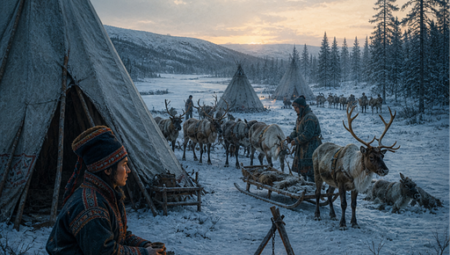
What makes the Sami stand out? For starters, they are renowned for their incredible reindeer herding skills. Picture this: herding reindeer across snow-covered landscapes under the mesmerizing Northern Lights. Isn’t that enchanting? This isn’t just a traditional practice; it’s a integral part of their identity and cultural heritage. The Sami have a unique relationship with these animals, viewing them as more than just livestock; they are respected partners in sustaining their way of life.
Language is another vital piece of the Sami puzzle. With several distinct dialects, Sami languages are at the heart of their culture. It’s like having a secret code that connects their history and traditions. So, when you hear a Sami singing a joik—a traditional form of song that expresses emotions or stories—it’s like eavesdropping on a deep conversation with their ancestors.
Moreover, their folklore is rich with tales of spirits, nature, and resilience. It’s as if every mountain and river has a story to tell about the Sami connection to the land. So, if you ever find yourself wandering through the pristine wilderness of the Arctic, take a moment to appreciate the cultural tapestry woven by the Sami—their traditions, stories, and reverence for nature.
The Sami People’s Resilience: Reviving Indigenous Traditions in Modern Europe
Picture a colorful reindeer herd sprawling across the icy tundra. For the Sami, reindeer are not just livestock; they symbolize their way of life. These majestic creatures are woven into the fabric of Sami culture, embodying a relationship that goes back generations. The Sami rely on them for food, clothing, and even as a means of transportation. But this connection isn’t just practical; it’s spiritual, highlighting the deep respect the Sami have for nature.
But let’s not kid ourselves—modern pressures have tried to push the Sami culture to the brink. Rapid industrialization, climate change, and globalization have threatened their way of life. Yet, what sets the Sami apart is their unwavering spirit. They’ve risen to the challenge, actively incorporating traditional practices into modern contexts. From celebrating the reindeer herding season through vibrant festivals to reviving traditional crafts like duodji—Sami handicrafts—they are refusing to let their cultural heritage fade into oblivion.
Under the Northern Lights: Exploring the Rich Culture of the Sami People
Firstly, let’s talk about their deep connection to nature. The Sami have lived in harmony with the land for centuries, relying on reindeer herding, fishing, and gathering for sustenance. Picture a life where the rhythm of the seasons dictates your daily activities—where the changing weather isn’t just a forecast but a way of life. Isn’t that a refreshing contrast to our fast-paced, modern world?
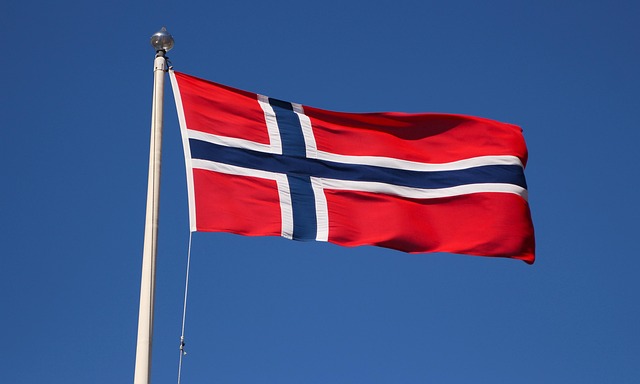
Language is another pillar of Sami culture. They speak several dialects, each reflecting their environment and history. It’s like a treasure chest of stories just waiting to be uncovered. Imagine chatting with a Sami elder, hearing tales of ancient traditions, and discovering the words that describe their special bond with the land—the very essence of who they are.
Let’s not forget their vibrant art and music! Sami craftsmanship is celebrated for its intricate patterns and bright colors that tell stories of nature, mythology, and identity. Have you ever experienced the soulful sounds of a Sami joik? This traditional form of singing isn’t just music; it’s a way to connect with the past, express emotions, and honor loved ones.
In a world where cultural identities often blend into the background, the Sami people shine like the Northern Lights—radiant and unique. Their traditions, resilience, and connection to the earth invite us to slow down, listen, and appreciate the beautiful diversity that enriches our global tapestry.
Glimmers of Tradition: The Sami’s Fight for Land and Identity in Scandinavia
Imagine you’ve spent generations living in harmony with the land, relying on its gifts for sustenance. That’s what the Sami have done for centuries—herding reindeer, fishing, and gathering. But today, their ancestral lands are under threat from expansion, mining, and climate change. It’s not just about land; it’s about identity. When the land is stripped away, how do you hold onto who you are?
The Sami have become fierce advocates, championing both their heritage and ecosystems. Think of them as warriors not in armor, but armed with traditions passed down through generations. By sharing their stories, music, and art, they raise awareness, reminding us all that the fight for indigenous rights isn’t just a local issue; it’s a global one. The battle for land isn’t just a fight for territory; it’s about preserving a worldview rooted in respect for nature.
From Reindeer Herding to Artistry: The Sami Influence on European Indigenous Culture
At the core of Sami life is reindeer herding, a practice that isn’t just about survival; it’s a lifestyle deeply intertwined with spirituality and connection to nature. Picture this: herders guiding their reindeer across frost-covered plains, maneuvering through blizzards, all while telling stories passed down through generations. This isn’t merely a job; it’s a profound relationship with the land that sparks admiration across Europe. It provides a glimpse into sustainable living—a vital lesson for our modern, fast-paced society.
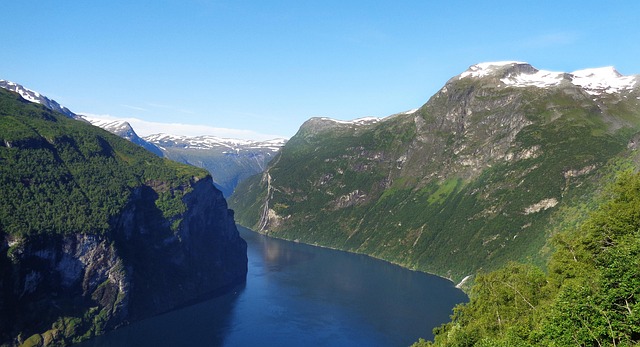
Now, when you swing over to the artistic side of things, the Sami’s influence blooms like a breathtaking aurora in the night sky. Their traditional handicrafts, known as duodji, showcase intricate patterns and vibrant colors that tell stories as old as time. Think about the thrill of witnessing a colorful Sami dress or a beautifully crafted wooden item—each piece is a window into their rich heritage. This artistry is not just decorative; it reflects the Sami’s deep reverence for nature and community.
So, how does this blend of reindeer herding and artistry shape European indigenous culture? It’s like a bridge connecting past to present, teaching us resilience, creativity, and the importance of sustainable practices. The Sami influence reminds us that every stitch in a dress and every hoofprint in the snow carries a legacy—a vibrant cultural narrative that deserves to be celebrated.
Frequently Asked Questions
What Is the Significance of Reindeer in Sami Society?
Reindeer hold cultural, economic, and spiritual importance in Sami society. They are central to traditional livelihoods, providing food, clothing, and materials for shelter. Reindeer herding is a traditional practice that fosters community ties and reflects the Sami’s connection to nature. Additionally, they symbolize resilience and cultural identity, playing a key role in Sami heritage and social practices.
How Do the Sami Maintain Their Traditional Livelihoods?
The Sami maintain their traditional livelihoods primarily through reindeer herding, fishing, hunting, and handicrafts. These practices are deeply rooted in their cultural heritage and ecological knowledge. By adapting modern techniques while preserving ancient traditions, the Sami sustain their way of life in harmony with nature and ensure the continuity of their cultural identity.
How Have Sami Rights and Representation Evolved Over Time?
The evolution of Sami rights and representation reflects a growing acknowledgment of indigenous peoples’ rights. Over time, the Sami people have gained increased political representation and legal recognition in several countries, such as Norway, Sweden, Finland, and Russia. This includes the establishment of Sami parliaments and advocacy for land and cultural rights. Recent decades have seen a push for better recognition of their unique cultural identity, traditional lands, and self-determination, resulting in national and international support for their rights.
What Are the Key Characteristics of Sami Culture?
Sami culture is defined by its deep connection to nature, traditional reindeer herding, and vibrant oral storytelling. Key characteristics include unique languages, colorful handicrafts, traditional clothing such as the gákti, and a rich cultural heritage that emphasizes community and resistance to assimilation. The spiritual beliefs of the Sami intertwine with their customs and seasonal activities, reflecting a harmonious relationship with the Arctic environment.
What Languages Do the Sami Speak?
The Sami people speak several languages that belong to the Finno-Ugric branch of the Uralic language family. The most widely spoken Sami languages include Northern Sami, Southern Sami, and Inari Sami, among others. Each language has distinct dialects and varies in number of speakers across different regions in Norway, Sweden, Finland, and Russia. Language revival efforts are ongoing to support and preserve these unique linguistic heritages.