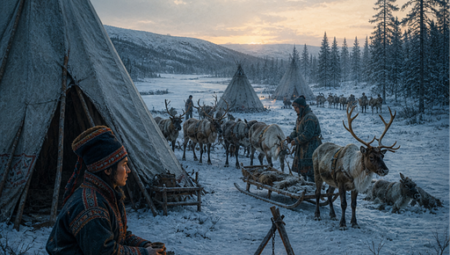
Picture a landscape where reindeer roam freely across snowy plains and the Northern Lights paint the sky in dazzling hues. The Sami people, indigenous to regions of Norway, Sweden, Finland, and Russia, in this stunning environment, have adapted their lives around the natural world. For them, reindeer aren’t just animals; they are like family. Sami herders rely on these majestic creatures for food, clothing, and livelihood, creating a bond that is both practical and cultural.
Now, let’s dive into some of the cool aspects of Sami culture! Traditional clothing, known as “gákti,” is a vivid expression of identity, often adorned with bright colors and intricate patterns that tell stories of the wearer’s family and home. Think of it as wearing a living storybook! Their music, especially the throat singing called “joik,” resonates deeply with emotions, capturing the essence of nature, animals, and people. It’s like they’ve mastered the art of turning feelings into sound.
Discover the Sami: A Journey into the Heart of Arctic Culture!
Picture this: vast stretches of tundra, traditional colorful tents known as “lavvu,” and herds of reindeer roaming freely. The Sami have lived in harmony with this stunning environment for centuries, crafting a unique culture that intertwines with nature. Imagine waking up in a cozy lavvu, sipping on steaming coffee while the sun dances on the horizon, casting a golden glow over the snow. That’s the kind of magic Sami life offers.
These incredible people are not just about breathtaking landscapes; they boast a rich tapestry of traditions. From their distinct language (which actually comes in several varieties) to their traditional music known as “joik,” the Sami’s artistic expression is as colorful as their clothing. Ever heard a joik? It’s like a heartfelt melody that echoes stories of their ancestors, connecting past with present.
But the Sami aren’t just preserving their culture; they’re also navigating the modern world. Think of them as cultural chameleons, blending ancient customs with contemporary influences. Whether it’s through sustainable reindeer herding practices or tourism initiatives that welcome visitors into their world, they showcase resilience and adaptability.
Sami Stories: Unveiling the Legends of the Northern Lights
The Sami, indigenous to the Arctic regions of Norway, Sweden, Finland, and Russia, have a treasure trove of narratives about the Northern Lights. They see these celestial phenomena not just as beautiful but profoundly meaningful. According to Sami folklore, the lights are the spirits of ancestors, dancing in the sky. When the auroras swirl and flicker, it’s believed that they are communicating or celebrating—a vivacious reminder of their existence and connection to the living.
Have you ever pondered what it means to feel a spiritual presence in nature? That blend of awe and reverence is an intrinsic part of Sami culture. When they look up at the Northern Lights, it’s not merely a spectacle; it’s an invitation to listen and reflect. Each flicker can be likened to a heartbeat, a connection to their past and an unfathomable respect for nature’s mysteries.

Moreover, there’s a playful side too! Some Sami tales suggest that if you wave at the lights, they might just wave back, rewarding your greeting with a dazzling display. Picture it: a cosmic dance-off between you and the night sky, as if the very universe is in on the fun.
So, when the next aurora paints the sky, remember—it’s more than just a pretty show. It’s a kaleidoscope of stories, steeped in tradition and rich cultural significance, beckoning you to be a part of something much greater.
Meet the Sami: The Indigenous Guardians of the Arctic!
Picture this: reindeer herding across vast, snow-covered plains, the crisp air filled with the sounds of traditional yoik songs echoing through the valleys. The Sami have perfected the art of living in harmony with nature, turning their deep understanding of the harsh Arctic environment into a way of life. You might think of them as the original environmentalists. Their deep connection to the land translates into sustainable practices that have been passed down through generations.
But it’s not just about reindeer and snow. The Sami are artists, storytellers, and musicians. If you’ve heard the soulful melodies of their folk music, you’ll know that it captures the very essence of the Arctic spirit. Imagine the way their art reflects the colors of the tundra — earthy tones that resonate with the beauty of their homeland.
Despite facing challenges, the Sami continue to stand strong, proudly preserving their language, traditions, and rights. It’s like a delicate balance beam, where they navigate modernity while staying rooted in their rich heritage. Have you ever considered the struggles that come with keeping ancient traditions alive in a fast-paced world?
So next time you think of the Arctic, remember the Sami. They aren’t merely a part of the Arctic; they embody its soul, ensuring its wonders thrive for future generations. Their story is one of resilience, passion, and an unwavering commitment to their land, making them truly the guardians of the Arctic.
Reindeer and Rituals: Exploring the Sami’s Unique Way of Life!

In the Sami culture, reindeer are more than just animals; they are family. They provide food, clothing, and shelter, but most importantly, they form the backbone of the Sami’s spiritual life. Picture this: families herding their reindeer under the twinkling Arctic skies, where each antlered friend tells a story through its tracks in the snow. Day after day, they celebrate their bond with these creatures through elaborate rituals, from naming ceremonies to seasonal festivals, that showcase their deep reverence for the land and animals.
Rituals are a vibrant mosaic of song, dance, and storytelling. During the winter, one can witness a mesmerizing event known as “Julekonk,” a festive gathering where reindeer racers dash across the snow while vibrant drums echo in the background. This isn’t just race day; it’s a celebration of survival, unity, and the Sami spirit! It’s as if time stands still, and the spirit of their ancestors dances alongside them.
Frequently Asked Questions
How Can We Learn More About Sami History?
To explore Sami history, start by researching academic books and articles focused on Indigenous studies. Visit museums and cultural centers dedicated to Sami heritage, engage with Sami communities through interviews or events, and access online resources and documentaries that highlight their traditions, struggles, and historical significance.
What Languages Do the Sami Speak?
The Sami people speak several distinct languages belonging to the Finno-Ugric branch of the Uralic language family. The most commonly spoken are Northern Sami, Southern Sami, and Lule Sami, among others. These languages vary in dialects and are an important part of Sami cultural identity. Efforts are being made to preserve and promote these languages, especially in educational settings.
Who are the Sami People?
The Sami are an indigenous people primarily residing in the northern regions of Norway, Sweden, Finland, and Russia. They have their own unique languages, traditions, and cultural practices, which include reindeer herding, fishing, and crafting. The Sami maintain a strong connection to their ancestral lands and are known for their vibrant traditional clothing and music.
What is Sami Heritage?
Sami heritage encompasses the cultural traditions, languages, crafts, and practices of the Sami people, an indigenous group primarily inhabiting northern parts of Norway, Sweden, Finland, and Russia. It includes a rich history of reindeer herding, distinctive music styles such as joik, and a deep connection to the natural environment, reflecting their unique worldview and identity.
What Traditional Practices are Important to Sami Culture?
Sami culture is enriched by traditional practices that emphasize a close connection to nature and community. Important practices include reindeer herding, which sustains their livelihood and identity, traditional crafts like duodji, and the use of the Sami language in folk songs and storytelling. Seasonal festivals celebrate cultural heritage and strengthen social bonds, while shamanistic rituals reflect their spiritual beliefs. These practices preserve the Sami’s unique way of life and enhance their cultural resilience.