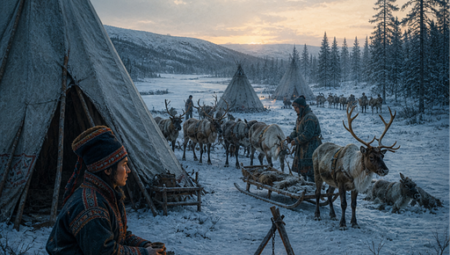
Imagine sitting in a classroom, where instead of just the usual history lessons, you’re exploring the life of the Sami people, known for their deep connection to nature. How cool would it be to learn that they are proficient reindeer herders, using their profound knowledge of the land to thrive in some of the most challenging climates on Earth? It’s like understanding the ultimate survival guide, rooted in centuries of tradition!
Now, think about how learning about Sami communities can affect your perspective. It’s not just about memorizing facts; it’s about recognizing the richness of diversity. Why should your school curriculum include this? Because it encourages empathy and global awareness, helping you see the world through someone else’s eyes.

Plus, dive into the arts and crafts often associated with Sami culture! How amazing would it be to create your own duodji (traditional Sami handicrafts) or explore the music that reflects their deep storytelling traditions? It’s like unlocking a creative side you never knew existed, all while connecting with these incredible communities.
Bridging Cultures: How Schools Are Bringing Sami Heritage into the Classroom
First off, incorporating Sami language and storytelling into lessons not only keeps the culture alive but also ignites a passion for learning among students. Picture kids huddled around, captivated by tales from the past, as they learn not just new words but a whole new perspective on life. It’s like opening a window to another world where the whispers of the tundra meet the pages of their textbooks.

Moreover, hands-on activities, such as crafting traditional Sami costumes or learning about reindeer herding, make the experience genuinely immersive. Think of it as learning to ride a bike—sure, you can read about it, but actually doing it is where the magic happens. Students are not just hearing about Sami heritage; they’re living it, understanding its importance firsthand.
And let’s talk about art! Integrating Sami art into lessons fosters creativity while showcasing rich cultural practices. When students use natural materials to create, it’s more than just a project; it’s a bridge connecting them to generations of Sami artisans.
Through cultural exchanges and inviting Sami elders to share their wisdom, schools are ensuring that the spirit and history of the Sami people flourish. It’s a beautiful tapestry of understanding, respect, and shared knowledge. This vibrant fusion isn’t just enriching education; it’s helping shape well-rounded, culturally aware individuals ready to embrace the world around them.
Sami Stories: Integrating Indigenous Narratives into Modern Education
Picture this: a teacher opens a discussion with a Sami folk story about the Northern Lights, inviting students to ponder not just the science behind this mesmerizing phenomenon but also the spiritual significance it holds in Sami culture. Suddenly, students are not just passive recipients of information; they are explorers on an intellectual adventure, connecting the dots between culture, nature, and science. Isn’t that a lesson that sticks?
Moreover, weaving Sami stories into modern education fosters a sense of inclusivity and respect. It’s like adding a splash of color to a black-and-white canvas. When students learn about the Sami way of life, they gain insights into sustainability, community, and resilience—a trifecta of values that are crucial in today’s rapidly changing world. Who wouldn’t want to learn these important lessons from those who have lived in harmony with nature for centuries?
Integrating these narratives also inspires creativity. Imagine students drawing parallels between Sami legends and contemporary environmental challenges. They don’t just read; they relate. They don’t just learn; they innovate. It’s a ripple effect of understanding that extends far beyond the classroom walls.
Voices of the North: The Importance of Teaching Sami Traditions in Schools
First off, incorporating Sami traditions into the educational curriculum isn’t merely about sharing stories—it’s about honoring a culture deeply rooted in the Arctic’s rugged landscapes. Teaching these traditions fosters a vital connection between students and the history of the land they inhabit. Isn’t it fascinating how understanding a culture can deepen respect for one’s environment? It cultivates a sense of belonging, not just for Sami students but for everyone.
Moreover, think of it as a tapestry woven with diverse threads. Each thread represents different cultures and traditions contributing to a vibrant society. By including Sami traditions, schools promote inclusivity and a broader worldview. Students learn empathy, viewing the world through a lens rich with nuance. It’s like adding new colors to a dull canvas—suddenly, everything feels more vibrant!
Additionally, studies show that children exposed to various cultures perform better academically and socially. Sami traditions, marked by storytelling and community values, teach teamwork and resilience. These lessons extend beyond textbooks—they shape character and interpersonal skills. Who wouldn’t want their child to learn patience and respect through drum songs and traditional dances?
From Reindeer to Resilience: Exploring Sami Culture Through School Programs
From reindeer herding practices to the intricate art of handicrafts, these programs offer students a taste of life that’s both fascinating and educational. Picture kids learning about the significance of reindeer, not just as animals, but as crucial companions for the Sami people. Isn’t it incredible how a simple reindeer symbolizes a way of life, community, and survival amidst the harshest of winters? Schools often organize hands-on activities, allowing students to craft their own traditional Sami items or even partake in storytelling sessions that transport them to simpler times.
But it’s more than just cultural appreciation; these programs instill resilience and adaptability. Sami life has always been about embracing change while holding on to traditions. Think of it like a tree that bends in the wind but never breaks. Through these educational experiences, students learn to adopt a mindset of resilience, fostering an appreciation for nature and an understanding of sustainability.
Beyond the Textbook: Experiential Learning About Sami Communities in Education
Imagine sitting around a crackling fire with members of a Sami family, listening to their stories about reindeer herding. Feeling the chill in the air while they describe the breathtaking Northern Lights weaving through the sky can be an experience that textbooks simply can’t capture! This hands-on approach not only makes learning memorable but also fosters empathy. It’s like tasting a dish instead of just reading a recipe—you get to savor the flavors and truly understand what makes it special.
Workshops that involve traditional crafts, like making Sami bracelets or learning to tie a gákti (traditional Sami dress), immerse students in the culture. They’re not just learning; they’re creating, touching, and experiencing. Picture this: students engaged in a lively discussion about the importance of reindeer in Sami culture while crafting a piece of their own. How much more impactful is this compared to memorizing dates and definitions?
Cultural Awareness: The Role of Sami Knowledge in Shaping Global Citizenship in Schools
Incorporating Sami perspectives into the curriculum isn’t just about teaching history; it’s about fostering empathy and understanding among young minds. When students learn about the reindeer herding practices or the significance of nature in Sami culture, they begin to appreciate the diversity of thought and lifestyle that exists beyond their own. It’s like opening a window to a fresh, new world where every culture adds its own spice to the global pot.
Think of it this way: if education is a garden, then cultural awareness is the sunlight that helps it grow. Each story and lesson from the Sami people illuminates the importance of respect for the environment, community cohesion, and the celebration of diversity. This is crucial in cultivating responsible global citizens who not only understand their own identity but also value the identities of others.
Empowering Youth: The Impact of Sami Curriculum on Indigenous Identity in Schools
Incorporating the Sami curriculum is like planting seeds of empowerment in the hearts of Indigenous youth. How does it work, you ask? By blending traditional knowledge with modern education, it creates a space where students can see themselves reflected in their studies. Think of it as a mirror that doesn’t just show a face but reveals a rich history and a strong connection to the world around them. Instead of feeling like a puzzle piece that doesn’t fit, students find their place in the big picture.
Now, why is this important? For many Indigenous young people, school can feel like navigating a maze without a map. The Sami curriculum provides that map, guiding them through the complexities of identity, self-worth, and belonging. It sparks curiosity about their heritage, making learning a joyful exploration rather than a mundane task. When students learn about traditional Sami practices, stories, and languages, they don’t just absorb information—they gain confidence in who they are, like a plant stretching towards the sun.
Moreover, this enriched curriculum fosters respect among peers. Imagine classmates sharing tales of reindeer herding or traditional crafts, bridging gaps and building understanding. It’s this circle of respect and pride that helps create a community where everyone feels valued. When youth embrace their Indigenous identity, they grow into advocates for their culture, paving the way for future generations to thrive.
Frequently Asked Questions
How Can Schools Integrate Sami History into the Curriculum?
Integrating Sami history into the curriculum involves incorporating lessons on Sami culture, language, and traditions, as well as historical events affecting the Sami people. Schools can invite Sami speakers for workshops, include resources from Sami literature, and encourage field trips to Sami regions. Collaboration with local Sami communities can provide authentic perspectives and foster deeper understanding among students.
What Are the Key Traditions and Practices of the Sami People?
The Sami people’s traditions and practices are deeply rooted in their connection to nature and their nomadic lifestyle. They are known for reindeer herding, which plays a central role in their culture, providing food, clothing, and transportation. Traditional handicrafts, or duodji, utilize natural materials and showcase their artistic skills. Storytelling, joiking (a unique form of song), and celebrations such as the Sami National Day are vital for preserving their heritage. Additionally, their spirituality often incorporates animistic beliefs, emphasizing respect for the environment.
How Can Educators Address Misconceptions About Sami Culture?
Educators can address misconceptions about Sami culture by incorporating accurate information into their curriculum, facilitating open discussions, and promoting cultural exchanges. Utilizing resources created by Sami authors and experts, along with interactive activities, can help students engage with the culture more authentically. Encouraging critical thinking and respect for diversity fosters a more comprehensive understanding of Sami traditions and values.
What Are Sami Communities and Their Cultural Significance?
Sami communities are indigenous groups located primarily in the northern regions of Norway, Sweden, Finland, and Russia. They have a rich cultural heritage, characterized by unique languages, traditional practices, and a deep connection to the land. Their cultural significance lies in their sustainable reindeer herding, handicrafts, and music, which reflect their identity and resilience in preserving their traditions amidst modern influences.
What Resources Are Available for Teaching About Sami Communities?
Various resources are available for teaching about Sami communities, including educational websites, books, documentaries, and cultural programs. These materials provide insights into Sami history, culture, and traditions, enhancing understanding and appreciation of their unique heritage. Educators can access lesson plans and interactive activities tailored to different age groups, promoting engagement and awareness in the classroom.