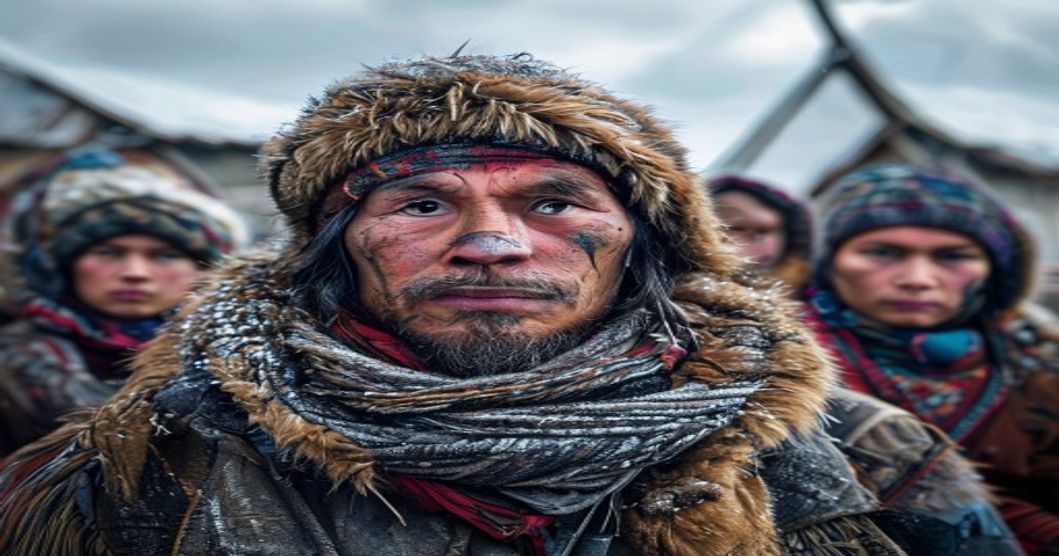
The Geographic and Cultural Landscape of Modern Sami Communities
Today, the Sami people inhabit a transnational region known as Sápmi, spanning northern Norway, Sweden, Finland, and the Kola Peninsula of Russia. This territory encompasses over 385,000 square kilometers of diverse ecosystems, from coastal fjords to subarctic taiga and alpine tundra. Despite historical assimilation policies that targeted Indigenous populations throughout the twentieth century, contemporary Sami communities have reasserted their presence through demographic growth, cultural revival, and legal recognition. Approximately 80,000 to 100,000 individuals currently identify as Sami across these four nations, with significant concentrations in Finnmark, Troms, Norrbotten, Lapland, and Murmansk Oblast.
Cross-Border Governance and Diaspora Dynamics
The Sami population is not confined by modern state borders, yet each national context presents distinct legal frameworks and social realities. In Norway, the Sami Parliament (Sámediggi) exercises advisory powers over cultural and educational matters, while Swedish and Finnish equivalents operate with limited legislative authority. The Russian Sami community faces stricter Indigenous recognition standards, resulting in fewer institutional supports but robust grassroots networks. Urban migration has created active Sami diasporas in Oslo, Stockholm, and Helsinki, where community centers and digital platforms sustain linguistic and ceremonial ties.
Language Revitalization and Educational Challenges
Linguistic erosion remains one of the most pressing Sami language challenges. Of the twelve recognized Sami languages, nine survive today, with North Sami (davvisámegiella) serving as the most widely spoken. Decades of boarding school policies suppressed mother-tongue instruction, but recent decades have seen systematic recovery efforts.
Immersion Models and Digital Infrastructure
Sami language revitalization has advanced through giellaággel (language nests) for early childhood education, university-level degree programs in Tromsø and Umeå, and open-source digital dictionaries. Mobile applications and AI-driven translation tools now support dialect preservation, yet teacher shortages and standardized curriculum mandates continue to strain rural implementation. Municipal funding disparities across Norway, Sweden, and Finland create uneven access to full-language schooling.
Land Rights and Resource Extraction Conflicts
Territorial sovereignty forms the core of contemporary Sami land rights disputes. Traditional livelihoods, particularly reindeer herding, require vast seasonal grazing corridors that frequently intersect with state-approved industrial projects. The Norwegian government’s recognition of ancestral land use in Finnmark contrasts sharply with ongoing permit approvals for mining and renewable energy infrastructure.
Mining, Wind Farms, and Legal Precedents
The expansion of critical mineral extraction and offshore wind development has intensified conflicts between Indigenous governance and corporate interests. The Kallak mine in Sweden and the Várddu hydropower project in Norway have triggered international human rights reviews, with critics citing violations of Free, Prior, and Informed Consent (FPIC) standards. Conversely, landmark rulings by the European Court of Human Rights have occasionally reinforced Sami grazing boundaries, though enforcement remains inconsistent across jurisdictions.
Climate Change and Ecological Pressures on Traditional Livelihoods
Accelerated warming in the Arctic directly threatens the ecological foundation of Sami traditional practices. Rising temperatures have reduced reliable snowpack, increased ice layers that block reindeer access to lichen, and altered migratory patterns essential to pastoral cycles.
Shifting Snow Conditions and Coastal Vulnerability
Climate impact on Sami communities extends beyond terrestrial herding. Coastal Sami groups in Troms and Finnmark face shoreline erosion, declining fish stocks, and unpredictable ice formation that disrupt seasonal hunting routes. Scientific monitoring programs co-led by Sami researchers document these ecological shifts, yet adaptation funding remains fragmented among municipal, national, and EU climate resilience grants.
Political Representation and Institutional Recognition
Modern Sami political representation operates through elected parliaments, parliamentary committees, and Indigenous councils. The Sami Parliaments in Norway, Sweden, and Finland coordinate cross-border policy advocacy, though their statutory powers vary significantly. Legal recognition of the Sami as an Indigenous people under ILO Convention 169 applies only to Norway, leaving Swedish and Finnish counterparts reliant on domestic constitutional provisions.
Legislative Battles and International Advocacy
Recent legislative reforms have expanded Sami self-governance in resource management and cultural heritage protection. However, disputes over grazing rights, place naming, and media broadcasting quotas persist. Sami organizations actively engage with the UN Permanent Forum on Indigenous Issues and the Arctic Council, leveraging international frameworks to pressure national governments toward equitable policy implementation.
Cultural Renaissance and Contemporary Identity Formation
Despite systemic pressures, Sami cultural revival has gained unprecedented momentum.
Challenges Facing Sami Communities Today: Frequently Asked Questions
What is Challenges Facing Sami Communities Today?
Challenges Facing Sami Communities Today refers to the contemporary socio-economic, cultural, and environmental issues affecting the Indigenous Sami people across Scandinavia and the Kola Peninsula, including land rights disputes, language preservation, climate change impacts, and political representation.
Key facts about Challenges Facing Sami Communities Today
The Sami people face significant hurdles such as restricted access to traditional grazing lands due to industrial development, a critical decline in native language speakers among younger generations, and the accelerating effects of Arctic warming on reindeer herding. Despite legal recognitions in Norway, Sweden, and Finland, systemic barriers to self-determination and cultural revitalization persist.