The Intersection of Sámi Culture and Arctic Landscape
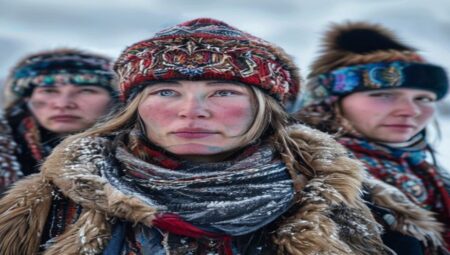
Sámi photography captures more than a frozen horizon; it documents centuries of coexistence between indigenous communities and one of Earth’s most unforgiving ecosystems. The Sámi people, who inhabit the northern reaches of Norway, Sweden, Finland, and Russia, have shaped their visual identity through reindeer herding, snowmobile travel, traditional lavvu tents, and intricate duodji handicrafts. Photographers documenting this region must understand that the landscape is not a blank canvas but a living archive of survival, adaptation, and spiritual connection to the tundra, fells, and coastal fjords.
Traditional Sámi Visual Storytelling
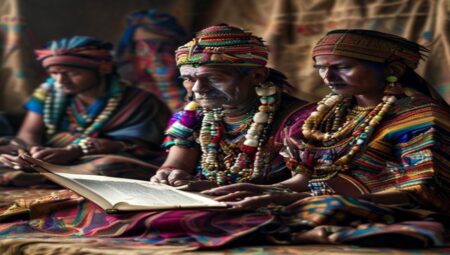
Historically, Sámi visual culture relied on oral tradition, joik singing, and handcrafted textiles rather than written records. Modern Sámi photography bridges this heritage by framing ancestral patterns against glacial valleys and midnight sun illumination. Key motifs include curved reindeer antlers woven into composition lines, the radial geometry of duodji knives, and the stark contrast of dark wool garments against pristine snow. Photographers who study these elements avoid generic Arctic clichés and instead produce images that reflect authentic cultural continuity.
Essential Photography Techniques for Arctic Conditions
Operating in sub-zero environments demands specialized technical adjustments beyond standard landscape photography. Camera batteries degrade rapidly below -10°C, requiring insulated power packs or body-warmth retention methods. Arctic nature photography relies on precise exposure compensation (+1 to +2 stops) because snow-covered scenes trick light meters into underexposing. Maintaining consistent white balance is equally critical; automatic settings often shift toward harsh blue tones, while manual Kelvin adjustments around 4500K preserve natural snow color.
Mastering Light and Shadow in Polar Regions
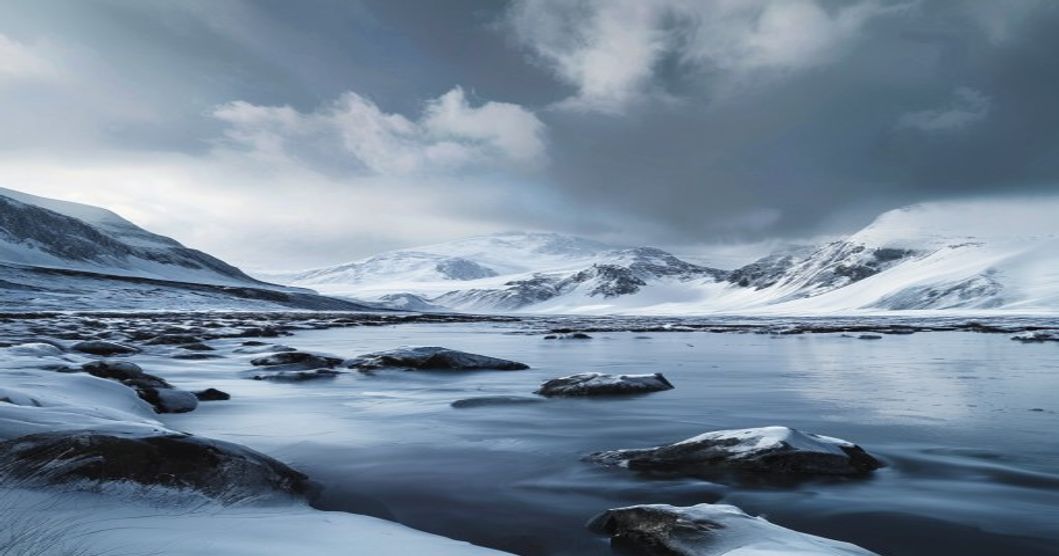
The Arctic’s extreme latitude creates unique lighting phenomena that define successful polar photography. During the winter months, photographers exploit the blue hour and aurora borealis activity, utilizing tripod stability and ISO ranges between 800 to 3200 for long exposures up to 30 seconds. Summer shifts focus to the midnight sun, which delivers low-angle, diffused illumination ideal for revealing texture in reindeer hides, traditional gákti clothing, and ice formations. Neutral density filters enable slow shutter techniques on glacial rivers, while polarizing filters manage intense snow glare without clipping highlights.
Documenting Sámi Heritage with Ethical Integrity
Responsible indigenous culture documentation requires explicit consent, contextual accuracy, and community partnership. Sámi communities have historically faced misrepresentation in travel media, reducing complex livelihoods to exotic spectacles. Ethical photographers prioritize narrative depth over aesthetic extraction by learning basic Sámi greetings, understanding reindeer herding seasons, and acknowledging territorial boundaries. Publishing guidelines should always credit local guides, avoid staging cultural practices, and direct a portion of commercial licensing fees toward Sámi educational initiatives.
Collaborative Approaches to Indigenous Photography
The most impactful Arctic imagery emerges from co-created projects where Sámi knowledge holders act as creative consultants rather than passive subjects. Working with certified indigenous guides ensures access to protected grazing lands, safe travel routes across thin ice, and permission to photograph sacred sites. Collaborative workflows include shared model releases, transparent revenue distribution, and joint editorial control over final image selection. This methodology not only prevents cultural appropriation but elevates technical outcomes through localized environmental intelligence.
Iconic Locations for Sámi and Arctic Photography
Selecting the right geographic coordinates determines both compositional variety and cultural authenticity. Northern Lapland landscape photography thrives in Finnmark’s coastal tundra, where reindeer cross saltwater inlets against dramatic storm skies. Swedish Lapland offers dense boreal forests transitioning into open fell terrain, providing layered foreground elements for wide-angle compositions. Finnish Lapland’s Levi and Ruka regions deliver reliable snow cover and traditional winter markets, while Norwegian Tromsø provides accessible aurora viewing combined with coastal fishing village architecture.
Seasonal Considerations for Arctic Shoots
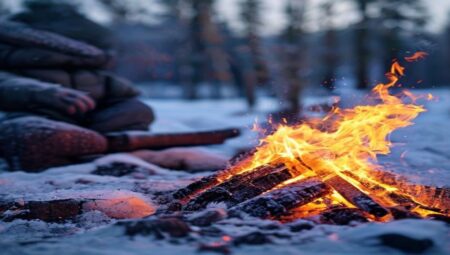
Timing dictates technical execution and cultural relevance. The polar night (November to January) delivers extended darkness ideal for astrophotography but requires thermal clothing management and reduced camera handling time. Spring (March to April) brings melting snow conditions, dynamic cloud movement, and active reindeer migration patterns that create natural leading lines. Summer (June to August) enables 24-hour daylight photography but demands heat management for electronics and careful composition to avoid flat, shadowless landscapes. Autumn (September to October) offers crisp air clarity, golden lichen-covered fells, and early aurora activity, making it the optimal period for balanced technical and cultural documentation.
Frequently Asked Questions
What is Sami Photography and Arctic Landscapes?
Sami Photography and Arctic Landscapes is a specialized photographic collection and creative project dedicated to capturing the unique cultural heritage of the Sami people alongside the breathtaking, pristine environments of the Arctic region. It blends indigenous storytelling with high-resolution landscape imagery to highlight the delicate balance between human tradition and nature.
Key facts about Sami Photography and Arctic Landscapes
The project features exclusive high-resolution imagery of Sami reindeer herding, traditional lavvu tents, and the Northern Lights across Norway, Sweden, Finland, and Russia. It emphasizes sustainable tourism, cultural preservation, and environmental awareness, with all proceeds often supporting indigenous conservation initiatives and Arctic climate research.