The Historical Foundations of Sami Reindeer Pastoralism
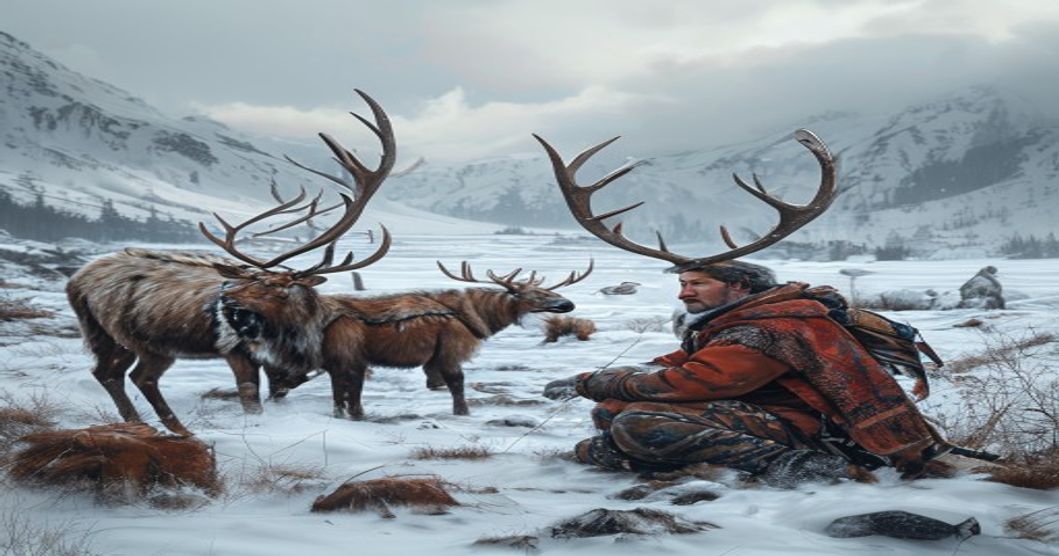
For millennia, Sami reindeer herders have sustained a semi-nomadic lifestyle across the subarctic landscapes of Sápmi. This pastoral tradition emerged from a delicate balance between human mobility and ecological limits. Traditional migration routes were not random but followed ancient paths dictated by topography, snow conditions, and reindeer behavior. Herding families moved seasonally between coastal winter pastures and inland summer grazing grounds, ensuring that rangelands recovered while maintaining herd health.
Origins and Traditional Migration Cycles
The semi-nomadic structure of Sami herding dates back to the post-glacial period when reindeer domestication first took root in Fennoscandia. Historical records and archaeological evidence confirm that these communities organized their annual cycles around two primary movements: spring migrations toward higher elevations and autumn returns to sheltered coastal valleys. Each cycle required precise timing, as delayed departures often resulted in poor calf survival rates or depleted winter forage.
Seasonal Transhumance Patterns
Transhumance among Sami herders operates on a highly predictable yet flexible schedule. During summer months, reindeer graze on nutrient-rich mosses, lichens, and aquatic vegetation near mountain ridges. As temperatures drop, the herd is guided toward wind-swept coastal plains where snow cover remains thin enough for efficient digging. These seasonal pastures are not owned in a conventional sense but managed through customary land-use agreements that prioritize rotational access over permanent boundaries.
Ecological Adaptation and Herding Practices
The survival of Sami pastoralism relies on deep ecological literacy. Herders continuously monitor snow density, lichen growth rates, and reindeer body condition to adjust migration timing. This adaptive management system minimizes overgrazing while maximizing forage recovery periods.
Rangeland Management and Foraging Strategies
Sami herders employ targeted grazing techniques that mimic natural reindeer behavior. By keeping herd sizes aligned with carrying capacity, they prevent soil compaction and preserve critical lichen beds. Modern ecological studies validate what traditional knowledge long established: rotational grazing in boreal forests significantly enhances carbon sequestration and biodiversity retention compared to static agricultural models.
Human-Animal Symbiosis in Harsh Climates
Raising reindeer in subarctic conditions demands continuous interaction between herders and animals. Calves are branded using traditional symbols, sick individuals receive herbal treatments, and breeding stock is selected based on antler morphology and cold tolerance. This symbiotic relationship extends to navigation; experienced reindeer bulls lead the herd through whiteout conditions by reading wind patterns and magnetic fields, guiding human herders along established routes.
Socioeconomic Structures and Cultural Continuity
The economic viability of Sami reindeer husbandry depends on cooperative labor networks rather than individual ownership. Herding units function as extended kinship groups that share equipment, winter camps, and migration responsibilities. This collective model ensures risk distribution during harsh winters or disease outbreaks.
Cooperative Herding Units and Land Tenure
Land tenure in Sápmi operates through customary grazing rights rather than private deeds. Herding districts are divided into winter, summer, and calving zones that rotate annually. Decision-making occurs through herding councils where elders and experienced handlers negotiate pasture allocation, culling schedules, and exchange agreements with neighboring communities.
Oral Traditions and Ecological Knowledge Transmission
Traditional ecological knowledge is preserved through yoik chants, narrative storytelling, and apprenticeship training. Young herders learn snow reading, animal tracking, and camp construction by participating in seasonal migrations alongside veteran handlers. This intergenerational transfer ensures that subtle environmental indicators remain accessible to future generations facing shifting climate baselines.
Contemporary Challenges and Resilience Strategies
Modern pastoralism faces unprecedented pressures from industrial development and environmental instability. Climate change alters snowpack composition, while infrastructure projects fragment traditional migration corridors. Despite these disruptions, Sami communities continue adapting through legal advocacy, scientific collaboration, and sustainable management innovations.
Climate Change and Shifting Pastoral Dynamics
Rising temperatures create ice layers over lichen pastures during winter thaws, forcing reindeer to expend excessive energy digging for food. Herders respond by shortening migration distances, adjusting calving seasons, and introducing supplementary feeding during extreme freeze-thaw cycles. Meteorological monitoring has become as essential as traditional weather signs in maintaining herd stability.
Policy Restrictions and Modernization Pressures
Government land-use policies frequently prioritize forestry, mining, and renewable energy projects over pastoral access rights. In response, Sami organizations have established digital mapping initiatives to document historic routes, partnered with researchers to quantify rangeland degradation, and lobbied for grazing quota reforms. These efforts aim to preserve the semi-nomadic lifestyle while integrating modern conservation frameworks.
Frequently Asked Questions
What is Semi-Nomadic Life of Sami Reindeer Herders?
The semi-nomadic life of Sami reindeer herders refers to the traditional seasonal migration system practiced by the indigenous Sami people across northern Fennoscandia and parts of Russia. Unlike fully nomadic groups, the Sami follow fixed, intergenerational migration routes between designated summer and winter pastures. They move their reindeer herds to optimize grazing opportunities, ensure calf survival, and adapt to harsh Arctic weather, all while maintaining deep cultural, spiritual, and economic ties to specific ancestral landscapes.
Key facts about Semi-Nomadic Life of Sami Reindeer Herders
Key facts include: reindeer herding is a cornerstone of Sami culture, providing food, clothing, tools, and income; herders traverse hundreds of kilometers annually across Norway, Sweden, Finland, and Russia using traditional knowledge of lichen growth, snow conditions, and terrain; the lifestyle is legally protected under international conventions like the ILO Convention No. 169, yet faces mounting pressures from climate change, renewable energy projects, mining, fencing, and land-use restrictions; herding is typically managed by family-based groups called siida, with strict community rules governing herd ownership and migration timing.