The Origins and Spiritual Foundations of Joik
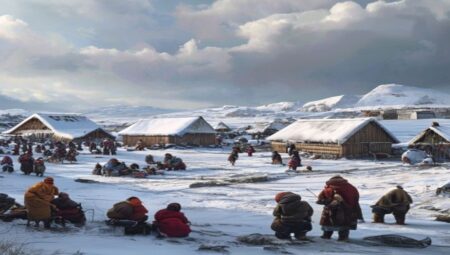
Joik, the indigenous vocal tradition of the Sámi people, transcends conventional music to function as a spiritual bridge between humans, nature, and ancestral memory. Rooted in the Arctic landscapes of Sápmi—spanning northern Norway, Sweden, Finland, and Russia’s Kola Peninsula—the practice emerged millennia ago as a method of encoding ecological knowledge, genealogical lines, and cosmological beliefs into melodic form.
Indigenous Roots in Sápmi
The etymology of joik derives from the Uralic linguistic family, with historical records tracing its continuity to pre-Christian shamanistic rituals. Unlike Western melodic frameworks, a traditional joik does not describe an external subject; it embodies the essence of that subject through vocal modulation, rhythmic repetition, and timbral variation. Sámi elders historically employed joiks during seasonal migrations, hunting expeditions, and fertility ceremonies to maintain energetic alignment with the environment.
Connection to Nature and Ancestry
Ecological symbiosis forms the core of joik philosophy. Each landscape feature, animal species, or familial line receives a distinct melodic signature that evolves organically over generations. Vocalists utilize yodeling techniques, microtonal inflections, and breath-controlled phrasing to mimic wind patterns, water currents, and wildlife vocalizations. This acoustic mimicry operates not as imitation but as ontological identification, reinforcing Sámi epistemologies of relational existence.
Musical Architecture and Performance Characteristics
The structural integrity of joik relies on non-linear progression, cyclical repetition, and dynamic vocal control. Performers navigate complex tonal landscapes without standardized notation, relying instead on oral transmission and embodied memory.
Structural Elements and Vocal Techniques
Traditional joik melodies operate within narrow pitch ranges but exploit extreme register shifts, nasal resonance, and percussive consonant articulation. The drone-based accompaniment, often generated through vocal hums or jaw harps (kuobast), creates a harmonic bed that supports melodic improvisation. Vocalists frequently employ glottal stops, throat singing derivatives, and asymmetric rhythmic groupings to disrupt Western metric expectations.
Instrumental Accompaniment and Rhythmic Patterns
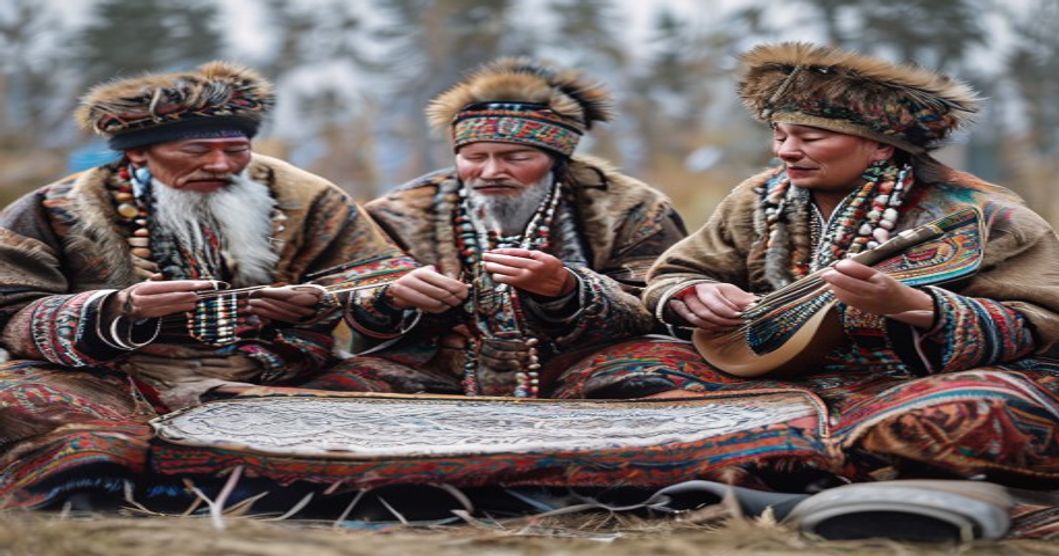
While vocal performance remains primary, instrumental support historically included the kuolassa (jaw harp), lute-like lyres, and frame drums inscribed with shamanic iconography. Rhythmic cycles follow natural phenomena rather than mathematical precision, often mirroring heartbeat intervals or seasonal agricultural timelines. Contemporary practitioners integrate polyphonic layering and extended vocal techniques to expand the sonic palette while preserving acoustic authenticity.
Cultural Significance and Social Functions
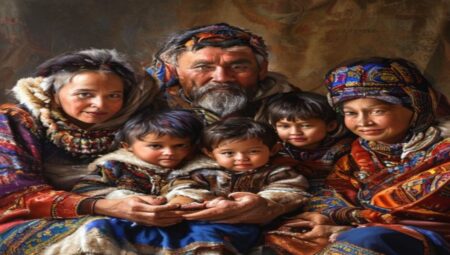
Joik operates as a living archive of Sámi resilience, encoding historical trauma, ecological observation, and communal identity into performative practice. Its social utility extends beyond entertainment to encompass legal testimony, diplomatic negotiation, and intergenerational pedagogy.
Rituals, Storytelling, and Identity Preservation
During joik ceremonies, vocalists assume the role of narrative conduit, transmitting oral histories that bypass colonial documentation systems. Melodic motifs function as mnemonic devices for mapping territorial boundaries, tracking reindeer migration routes, and recording kinship networks. The practice reinforces collective memory through participatory call-and-response structures, ensuring linguistic continuity amid assimilation pressures.
Gender Roles and Communal Participation
Historically, jo
Frequently Asked Questions
What is Traditional Sami Singing Styles?
Traditional Sami singing, known as Joik (or Yoik), is a distinctive vocal music tradition of the Sami people indigenous to northern Scandinavia and the Kola Peninsula. Unlike Western music, a Joik is not typically “about” something but rather evokes the essence, spirit, or character of a person, animal, place, or feeling through unique melodic patterns, rhythmic vocalizations, and minimal or no lyrics.
Key facts about Traditional Sami Singing Styles
Key facts include: it is an ancient oral tradition passed down through generations; it often uses vocables (wordless sounds) rather than structured lyrics; it serves spiritual, storytelling, and emotional purposes; it was historically suppressed by colonial authorities but has seen a major cultural revival; and it is recognized by UNESCO as an Intangible Cultural Heritage of Humanity.