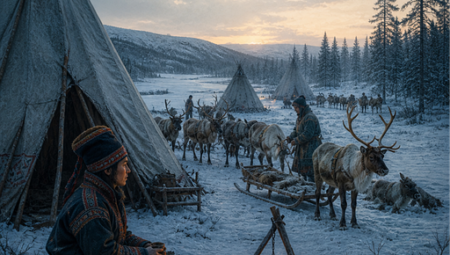
Before modern borders separated communities, trade among the Sami was less about commerce and more about connection. Picture a vibrant marketplace, not just filled with goods, but alive with stories and relationships. The Sami would exchange reindeer herding products—like meat, hides, and antlers—for essential items such as fish, tools, and crafting materials from neighboring groups. It resembled a familial exchange, woven into the very fabric of their life. They understood that every deal was more than a transaction; it was a way to strengthen ties and promote cooperation in an unforgiving landscape.
Seasonal migrations played a significant role in their trading practices. As they followed the reindeer herds across vast territories, the Sami would encounter other tribes, utilizing the opportunity to barter goods. It was a bit like passing around a plate at a potluck—everyone brought something to share. This fluidity of movement not only facilitated trade but also fostered a sense of community across what would later become national boundaries.
Crossing Boundaries: The Intricate Trading Networks of the Sami People Before Modern Borders
The Sami were masters of trade, exchanging everything from reindeer hides to intricate handicrafts. They understood the rhythm of the land and the importance of maintaining harmonious relationships with neighboring tribes. Think of their trading routes like veins in a body – crucial for sustaining life and connectivity. These paths, often overlooked in history, were more than just physical routes; they represented a vibrant cultural tapestry woven through shared knowledge, goods, and mutual respect.
Can you imagine haggling over beautifully crafted jewelry or sizzling fish just on the edge of a frozen lake? Each trade wasn’t just an economic transaction; it was a story shared between individuals. The Sami exchanged tales, traditions, and sometimes, even secrets of survival in the unforgiving Arctic climate. Their adaptability turned challenges into opportunities, much like a skilled chef transforming simple ingredients into a banquet of flavors.
Despite the encroachment of modern borders, the legacy of these trading networks endures. Today, it invites us to reflect on our own connections and the ways we bridge gaps in a world that often feels fragmented. It’s a reminder that trade isn’t just about commerce; it’s about culture, community, and the timeless desire to connect. So, the next time you think of trading, remember the rich history of the Sami people, who crossed boundaries in more ways than one, long before the maps were set in stone.
Beyond Borders: Sami Trade Routes That Shaped the Arctic Landscape
Think of it like life’s winding roads—each twist and turn leads to a new adventure and gives meaning to the journey. The Sami trade routes were a lifeline, connecting diverse communities across vast distances, blending varied cultures, languages, and traditions. Picture trading reindeer pelts, handmade crafts, and natural resources as currency; each item carries a story, each exchange builds relationships that transcend mere commerce.
These routes weren’t just about swapping goods; they were highways of human connection. The Sami women would share knowledge of herbal medicine in exchange for tools, while men would recount tales of hunting exploits as they passed down essential survival skills. Isn’t it fascinating how a simple trade could turn into an engaging story shared over a warm fire?
Moreover, these paths had a deep impact on the Arctic landscape itself. They shaped not only the physical geography but also the socio-cultural environment. Communities along the trade routes blossomed, each contributing their essence to the Arctic’s identity. You can almost hear the laughter and lively conversation that echoed through the valleys, can’t you?
As modern influences threaten these age-old traditions, the legacy of Sami trade routes reminds us of the importance of connection and cultural exchange. They’re a powerful testament to the resilience and adaptability of the Sami people, illuminating the untold narratives of the Arctic. These routes are more than just trails on a map; they’re the very veins of a living culture.
From Reindeer to Furs: How The Sami People Negotiated Goods in a Borderless World
The Sami people are not just herders; they are master negotiators of what their land offers. Picture a bustling market where furs, meats, and handcrafted goods shift hands like a game of catch. In this dynamic world, reindeer aren’t merely animals; they’re lifelines. Each reindeer holds the potential for trade—offering meat, milk, and precious hides. The Sami understood early on that the land they lived on was their most valuable asset, and they used it to foster relationships that stretched beyond geographical boundaries.
Now, let’s take a moment to think about trade. Ever been to a local farmers’ market? It’s all about connection—bartering fresh produce for homemade jams. Similarly, the Sami engaged in exchanging goods not just within their communities but also with neighboring tribes and settlers. This wasn’t just a matter of survival; it was about building a network of trust and support across vast stretches of land that often didn’t recognize modern borders.
Their adaptability is an art form, akin to a dance with nature—synchronized and respectful. Through seasons of change, the Sami have continuously navigated challenges, skillfully negotiating goods that sustain their culture and keep their traditions alive. In a world where boundaries often define us, the Sami prove that ingenuity and relations can flourish unconfined, harmonizing with the rhythms of the land and each other.
The Sami Way: Indigenous Trading Practices That Defied Geographic Boundaries
Picture this: the Sami roamed vast landscapes, from the snowy tundras of Norway to the dense forests of Sweden. Their trading wasn’t just about swapping goods; it was a lifestyle intertwined with nature and culture. They had an incredible knack for turning the harshest environments into thriving trading hubs. With reindeer at the center of their economy, they became masters of using what the land offered. It’s like having a gourmet kitchen at your disposal, where every dish is crafted from local ingredients, fresh and bursting with flavor.
The Sami didn’t just stick to traditional goods either. They were ahead of their time, linking with other cultures and communities, showcasing a chic blend of techniques and crafts. Imagine bartering handmade textiles or intricately carved figurines while sharing stories around a fire. Each trade was a small window into their vibrant culture – a testament to their resilience and adaptability.
What’s more fascinating is the Sami’s understanding of sustainable practices. They traded wisely, ensuring they balanced their natural resources. It’s like planting seeds today and reaping a lush harvest in the future. They respected the land, truly living by the age-old saying, “take only what you need and leave the rest.”
In a world rapidly globalizing, the Sami’s age-old trading traditions offer us valuable lessons. They remind us that trade is much more than exchange; it’s a dance of culture, respect, and survival. Wouldn’t it be something if we reflected on these profound practices today?
Unveiling the Past: The Sami People and Their Unique Barter System Before State Lines
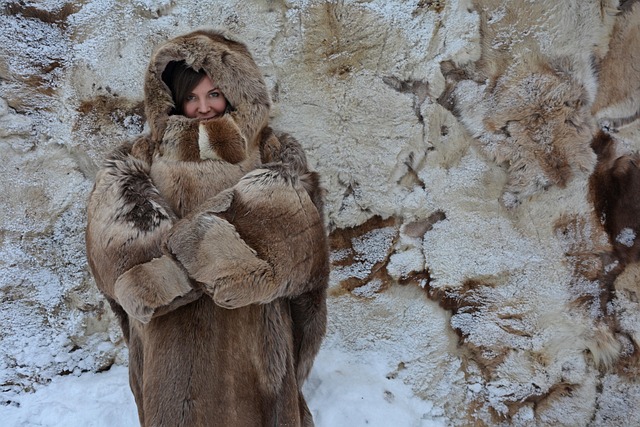
Picture this: instead of crisp dollar bills or shiny coins, the Sami exchanged goods based on necessity and mutual respect. Whether it was reindeer meat, handmade crafts, or vibrant textiles, the trade wasn’t merely transactional; it was a bond between people, created through trust and understanding. Imagine the joy of swapping a beautifully woven Sami shawl for a basket brimming with fresh fish! It wasn’t just about what you could get; it was about sharing resources and maintaining relationships.
In the bustling market of a Sami village, you’d find families trading goods while sharing stories of the land’s bounty and hardships. This barter system reflects a worldview not solely focused on profit but rather on the well-being of the entire community. Can you sense the intrigue? Each transaction told a story of survival, innovation, and cultural heritage.

But what happened when state lines began to emerge, often loomed over by bureaucratic policies? The Sami’s intricate barter network faced challenges, pushing them to adapt in ways they never envisioned. Yet, even in the face of modernity, the heart of their trade system continues to beat, reminding us of the beauty of human connection that transcends mere currency. Isn’t that worth celebrating?
Frequently Asked Questions
How Did the Sami Exchange Goods with Other Cultures?
The Sami engaged in trade with neighboring cultures by exchanging goods such as reindeer products, fish, and handicrafts for agricultural products, textiles, and tools. This mutual trade was facilitated through established routes and seasonal markets, fostering relationships and cultural exchange while adapting to both Sami and surrounding community needs.
How Did Geography Influence Sami Trade Practices?
Geography played a crucial role in shaping Sami trade practices by determining the availability of resources, trade routes, and interactions with neighboring cultures. The Sami people, residing in arctic regions, relied on the local environment for reindeer herding, fishing, and hunting. Their trade was influenced by seasonal migrations and the physical landscape, enabling them to engage in barter with neighboring communities and acquire goods not available in their immediate surroundings.
What Items Were Commonly Traded by the Sami?
The Sami traditionally engaged in trade involving reindeer, furs, fish, and handicrafts. Reindeer were vital for transportation and sustenance, while furs provided warmth and materials for clothing. Fish from rivers and lakes supplemented their diet, and handicrafts such as tools and traditional items showcased their craftsmanship. These exchanges played a crucial role in their economy and cultural identity.
What Role Did Seasonal Migration Play in Sami Trading?
Seasonal migration was crucial for Sami trading as it facilitated the movement of people and goods between different regions. By following reindeer herds and seasonal patterns, the Sami could access various resources and markets, enhancing their trade networks. This mobility allowed them to exchange traditional goods like furs and crafts for necessities, resulting in a dynamic economic system that adapted to seasonal changes.
What Trading Routes Did the Sami People Use Before Borders?
The Sami people historically utilized a network of trading routes across Scandinavia, which included areas of present-day Norway, Sweden, Finland, and parts of Russia. These routes facilitated the exchange of goods such as fish, reindeer products, and crafts with neighboring tribes and cultures, promoting economic and cultural interaction long before the establishment of modern borders.