As modern life chips away at boundaries, Sami culture faces both magnificent opportunities and daunting challenges. Picture this: social media platforms showcasing breathtaking Sami artwork or mesmerizing joik (traditional singing), reaching audiences far and wide. This digital spotlight can breathe new life into traditions that might seem at risk of fading away. Isn’t it exciting to think that a young Sami artist in the snow-capped mountains could connect with an admirer halfway across the world, forging ties that transcend geography?
However, like any good story, there’s a twist. Globalization also brings the pressure of cultural dilution. The very essence of what makes Sami culture unique—the language, customs, and sacred practices—can feel threatened in a world that often favors homogenization. We’ve all seen how local flavors can get lost in the giant melting pot of global culture, right? It’s a bit like trying to savor a distinct dish at a fast-food chain; the original taste gets overshadowed.
Navigating Modernity: The Sami’s Resilient Journey Through Globalization
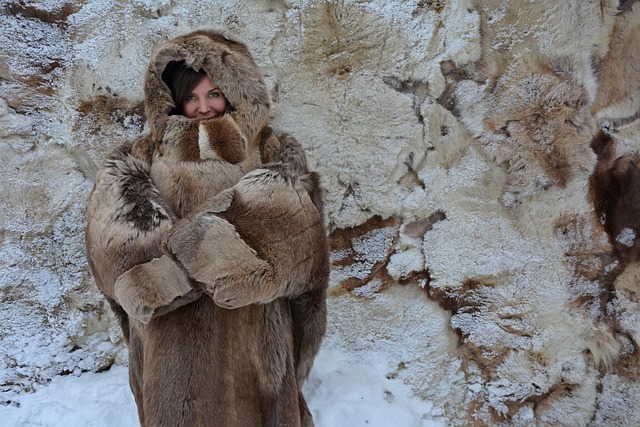
Globalization can feel like a double-edged sword, right? On one hand, it opens doors to economic opportunities and technological advancements. On the other, it poses threats to identity and cultural heritage. Imagine being connected to the world yet feeling like your roots are slipping away. The Sami are feeling that pull, but here’s the twist — they’ve found a way to strike a balance. Think of them as tightrope walkers, skillfully maneuvering to keep their identity intact while embracing modernity.
Through innovative practices, the Sami are blending traditional reindeer herding with modern techniques. They’re not just sticking to the old ways; they’re using social media to promote their culture, share stories, and even sell artisan crafts to a global audience. It’s like opening a window to the world without losing the warmth of their cozy, traditional hearth. And let’s be honest, who doesn’t love a beautifully crafted Sami product?
Moreover, the Sami are fierce advocates for their rights in the face of climate change and corporate interests that threaten their land. They’re raising their voices, demanding recognition, and standing strong against the challenges thrown their way. It’s a testament to their spirit — a story of resilience that highlights how progress doesn’t have to mean sacrificing one’s roots. As they navigate this modern maze, the Sami remind us that blending old with new can create a vibrant tapestry of culture that’s both proud and forward-thinking.
Cultural Crossroads: How Globalization is Shaping Sami Identity and Traditions
Globalization isn’t just a buzzword; it’s an intricate dance between cultures, and the Sami are right in the middle of it. Imagine living in a world where your traditional reindeer herding is celebrated globally, yet at the same time, companies are encroaching on your land to mine minerals. It’s a double-edged sword. On one hand, there’s a rising interest in Sami culture—think music, art, and crafts finding their way onto international platforms. This has sparked a renaissance among Sami artists and storytellers. Their songs, rich in history and emotion, echo not just in the North but also in concert halls across the globe.
However, the flip side reveals challenges. As popular interest in the Sami identity grows, so do misconceptions. Many outsiders simplify or misinterpret their customs, reducing a vibrant culture into mere exotic curiosities. Can you imagine your identity being packaged for tourism? This grappling with authenticity versus commercialization can make any traditionalist feel uneasy.
Moreover, the digital age allows young Sami to share their narratives, but it also risks diluting their age-old practices. Like juggling fire, maintaining traditions while embracing modernity requires a masterful balance. How do you hold onto your roots when the winds of change are constantly blowing? The Sami are navigating these waters, finding ways to honor their past while stepping boldly into the future, proving that even in a globalized world, cultural identity can be both dynamic and enduring.
Sami Culture on the Brink: Preserving Heritage Amidst Global Influences
The Sami, indigenous to the northern parts of Norway, Sweden, Finland, and Russia, have long been the guardians of unique customs centered around reindeer herding, crafting, and storytelling. However, as global influences swirl like snowflakes in a storm, their way of life is at risk. Think of it this way: if you’ve ever tried to hold onto a handful of sand, you know how delicate and fleeting it can feel. That’s exactly how it is for the Sami culture right now.
Modernization threatens not just their lifestyle but also their identity. You see the old ways of life being squeezed out by urbanization and the allure of contemporary conveniences. Yet, there’s a fire burning beneath the surface as younger Sami look to carve out their niche. They’re blending time-honored traditions with contemporary art and music, creating a cultural fusion that’s both innovative and respectful of their roots.
Preservation is more than just a buzzword; it’s a lifeline. Organizations are stepping up to document the Sami language, music, and crafts, ensuring that future generations don’t just read about their ancestors but live and breathe their legacies. When cultures are at risk, it’s like watching a beautiful painting fade under harsh sunlight. It’s up to all of us to turn the light back on and celebrate the richness that the Sami culture brings to our world. Can you imagine losing that connection to nature and heritage?
From Reindeer Herding to Digital Activism: The Evolution of Sami Culture in a Global Era
Picture this: for centuries, the Sami relied on their herding traditions, raising reindeer like cherished family members and weaving their identities into the very fabric of nature. But what happens when the tides of change surge in? Suddenly, the same people who honor their ancestral practices are stepping into the digital realm, wielding social media like a modern-day lasso to draw attention to their issues. Isn’t that fascinating?
As young Sami embrace technology, they’re not just keeping culture alive; they’re amplifying it. Imagine them using Instagram stories or TikTok videos to share their traditions, no longer confined to the borders of their homelands. It’s like watching a vibrant tapestry being woven live, with threads of rich history and contemporary challenges interlacing. With hashtags like #SamiVoices trending, they’re reaching audiences far and wide, creating awareness about environmental rights and cultural preservation.
Echoes of the Past: The Future of Sami Language and Arts in a Globalized Landscape
The Sami language, vibrant and poetic, is not just a means of communication; it’s the soul of a community. Imagine conversing with nature itself, where every word tells a story steeped in tradition. Yet, with modernity creeping in, many young Sami find themselves caught between two worlds, often using English as their primary tongue. Isn’t it heart-wrenching to think that rich expressions of identity could be lost in translation?
But there’s hope! In a globalized landscape, technology serves as a bridge. Apps, podcasts, and online courses are popping up, breathing new life into the Sami language. This digital revival is like a campfire for young Sami to gather around, sharing tales and songs in their native tongue.

Let’s not forget the arts! Sami craftsmanship and music are gaining international attention, equivalent to a vibrant tapestry that showcases their identity. With the rise of global platforms, artists are showcasing traditional artworks, captivating audiences worldwide while holding firm to their roots. Isn’t it incredible to see ancient traditions fuse with contemporary styles?
As the Sami navigate this ever-changing landscape, they forge a path that allows them to embrace the future without losing sight of what makes them unique. Could this revival of the Sami language and arts become a beacon for other indigenous cultures facing similar challenges?
Frequently Asked Questions
What Efforts Are Being Made to Preserve Sami Language?
Various initiatives are underway to preserve the Sami language, including educational programs in schools that promote bilingual education, community workshops that encourage language use among younger generations, and government policies supporting Sami language rights. Additionally, digital resources and media content are being developed to increase accessibility and engagement with the language.
In What Ways Can Sami Culture Benefit from Globalization?
Globalization can enhance Sami culture by providing access to broader markets for traditional crafts and foods, raising awareness of their heritage through global platforms, and fostering cultural exchange that reinforces their identity. Additionally, it can facilitate collaboration with international organizations for the preservation of their language and customs.
How Can Indigenous Rights Support the Future of Sami Culture?
Indigenous rights play a crucial role in preserving and promoting Sami culture by ensuring political representation, access to traditional lands, and protection of cultural practices. By recognizing and enforcing these rights, the Sami people can maintain their identity, language, and way of life, fostering sustainable development and resilience for future generations.
How is Globalization Impacting Sami Traditions?
Globalization is influencing Sami traditions by introducing new ideas and practices that interact with traditional customs. This cultural exchange can lead to both positive outcomes, such as increased visibility and appreciation of Sami culture, and challenges, such as the risk of cultural erosion and loss of unique identity. It is crucial for the Sami community to navigate these changes while preserving their heritage.
What Are the Key Challenges Facing Sami Culture Today?
Sami culture faces several challenges today, including environmental changes affecting traditional livelihoods, loss of language and cultural identity, and external pressures from modernization and economic development. Additionally, there are ongoing issues related to land rights and the preservation of cultural practices amid a rapidly changing social landscape.