Now think about the traditional Sami dress, or “gákti.” This colorful attire isn’t just to look good; it tells a story of ancestry, regional identity, and community bonds. Each stitch, every vibrant fabric, is like a chapter in a lively book, signifying where a person comes from and the tales of their kin. Donning a gákti is like wearing a badge of honor, steeped in pride and history.
Another striking symbol is the drum, known as the “goavddis.” Picture it as a portal to the spiritual world, used in shamanistic practices to connect with ancestors and nature spirits. When a Sami shaman beats the drum, it’s as if they’re summoning the elements, inviting the very essence of the world to dance with them. This isn’t just music; it’s a heartbeat of a culture that transcends generations, echoing the Sami’s deep spiritual ties.
And we can’t forget the distinctive yoik – a traditional form of song. It’s more than just sound; it’s an ancient way of storytelling, a melody that captures the soul of the Sami. Each yoik is like a snapshot of the land, a tribute to loved ones, and a way to keep their history alive. Isn’t it fascinating how these symbols intertwine, creating an unforgettable narrative of a people who thrive in harmony with their harsh yet stunning environment?
Understanding the Sami: Exploring the Rich Tapestry of Cultural Symbols
Now, let’s talk about the drum. Think of it as the Sami’s time machine. The drum isn’t just an instrument; it’s a portal to their spiritual world, used in rituals and healing practices, echoing the heartbeat of their ancestors. When you see these cultural symbols, you’re not just looking at art—you’re witnessing a living history, a way of life that has survived for centuries.
And what about the language? Oh, it’s like weaving a tapestry. The Sami languages are rich in words that describe their relationship with nature. Words for snow, reindeer, and the northern environment are so abundant, it’s as if the landscape itself is speaking. This deep connection reminds us of how language shapes our perspective of the world.
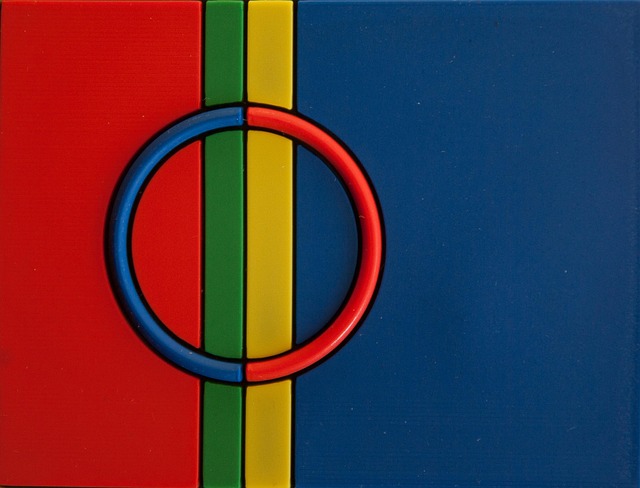
So next time you stumble upon a Sami symbol, take a moment. Consider what it represents and the deep-seated traditions it carries. It’s a beautiful reminder of how culture can bind people to their heritage, blending past and present in a way that’s both moving and enlightening. The Sami are more than just a culture; they are a mosaic of stories, waiting to be understood.
From Reindeer to Traditional Dress: Iconic Symbols of Sami Heritage
But let’s talk about another striking symbol—the traditional dress, or gákti. Imagine walking into a room filled with vibrant colors—blues, reds, and yellows, each woven into the gákti with care and history. Each stitch tells a story, reflecting the wearer’s region and family ties. It’s like wearing a piece of art that instantly connects you to generations past.
What’s really fascinating is how these elements—the reindeer and the dress—are intertwined. The gákti is often made using materials derived from reindeer, showcasing resourcefulness that’s been passed down through the ages. Just like a well-mixed cocktail, where every ingredient adds to the overall flavor, the Sami culture blends the reindeer’s practical use with the rich tapestry of their identity.
Unveiling Sami Culture: The Meaning Behind Their Most Famous Symbols
Imagine wearing a beautifully carved knife—known as the Sami knife or Leuku—that’s not just a tool but a symbol of courage and survival. It’s akin to carrying a piece of history right on your belt! This knife embodies the Sami spirit, rooted in the northern wilderness, and depicts their resilient lifestyle.
Another striking symbol is the Julebuk, or Christmas goat, which showcases the unique way Sami celebrate and interact with their festive traditions. It’s like the sense of community wrapped in warmth and laughter during the cold Arctic winters, illuminating their hearts even in the darkest months.
Let’s not forget the iconic Giiddu, or traditional Sami dress, adorned with vibrant colors and patterns that speak volumes about identity and pride. Each stitch, each color choice tells a story of the wearer’s family, region, and heritage. Wearing it is like donning a narrative, one that connects generations through time.
So, next time you come across these symbols, remember they are more than just pretty images; they’re a powerful reflection of the Sami way of life, steeped in culture, resilience, and a deep bond with their environment. Just like a painting holds the emotions of the artist, these symbols carry the soul of the Sami people.
The Sami’s Symbolic Language: How Art and Tradition Intertwine

The Sami’s art doesn’t just look pretty; it’s a living, breathing expression of their identity. Take, for instance, the stunning duodji, their traditional handicrafts. Crafted from materials like reindeer antlers, wood, and textiles, duodji pieces are more than just functional items—they’re vessels of cultural symbolism. Each pattern and color reflects the vibrant connection to the land and the heartbeat of their community. Isn’t that fascinating? Imagine wearing an item that sings the songs of your ancestors!
But it goes beyond physical art. The Sami also tell their stories through joik, a traditional vocal form. This isn’t just singing; it’s a way to connect with nature, emotions, and one another in the most profound form. A joik can encapsulate a person, a place, or an experience as if encapsulating a fleeting moment in time. It’s like capturing lightning in a bottle!
Sami Symbols Decoded: What They Reveal About This Indigenous Culture
Take the iconic “duodji,” for instance, the traditional Sami craft. This isn’t just about beautiful craftsmanship; it symbolizes a bond with nature. You see, every carving and stitch encapsulates the spirit of reindeer herding, fishing, and the deep respect for the land. Each symbol is like a breadcrumb left for us to follow, guiding our understanding of their connection to the earth.
Ever heard of the “gákti”? This traditional clothing is more than just colorful patterns; it’s a vibrant tapestry of identity. The symbols share stories of family lineage and social status. When a Sami person dons their gákti, they wear their heritage like a badge of honor. It’s akin to slipping into a superhero costume, where every thread and color has a tale to tell!
Then there’s the mesmerizing world of the “joik,” a vocal tradition that can transport you straight into the Sami spirit. Each joik often contains symbols that embody the essence of a person or place. It’s like musical storytelling, where each note paints an image in your mind, resonating with the heartbeat of the Sami culture.
So, why are these symbols so crucial? They are windows into a community’s soul, revealing values, beliefs, and the profound connection between the Sami people and the Arctic wilderness. They remind us that every culture has its own unique rhythm, inviting us to listen and learn.
Reindeer Antlers and Wool: The Semantics of Sami Cultural Icons
Now, let’s talk about wool. Did you know that wool from the Sami’s traditional reindeer herding contributes to a deeper understanding of their lifestyle? It’s not just about staying warm; it’s a canvas of expression. Picture this: soft, fluffy wool dyed with natural pigments, each hue reflecting the beauty of the Northern Lights. Isn’t that a stunning metaphor for how Sami artisans weave their connection to nature into every thread?
Both reindeer antlers and wool symbolize more than just material goods; they embody a rich heritage. It’s like having a conversation with history, where each antler and strand of wool invites you to explore the unique relationship the Sami share with their environment. They remind us of an age where humans truly lived in harmony with nature, adapting and thriving amidst its challenges.
Frequently Asked Questions
Why Are Reindeer Important in Sami Symbolism?
Reindeer hold significant importance in Sami culture, symbolizing sustenance, traditional livelihood, and spiritual connection to nature. They are central to activities such as herding, which fosters community identity and heritage, while also representing resilience and adaptability in the Sami way of life.
What Role Does Traditional Clothing Play in Sami Identity?
Traditional clothing is a significant aspect of Sami identity, symbolizing cultural heritage and values. It reflects the community’s history, craftsmanship, and connection to nature. Wearing traditional garments fosters a sense of belonging among the Sami people and serves as a means of cultural expression during ceremonies and celebrations.
How Do Sami Symbols Reflect Their Connection to Nature?
Sami symbols embody the deep relationship between the Sami people and their natural environment. These symbols often represent elements of nature, such as animals, plants, and natural phenomena, reflecting traditional beliefs and practices that emphasize harmony with the land. By integrating these symbols into art, clothing, and rituals, the Sami honor their heritage and promote awareness of their cultural identity and connection to the earth.
What Are the Key Colors in Sami Cultural Symbols and Their Meanings?
Sami culture incorporates a rich palette of colors in its symbols, each conveying specific meanings. Red represents life and vitality, while blue signifies the sky and water. Green symbolizes nature and growth, and yellow often stands for the sun and warmth. White is associated with purity and winter landscapes. These colors are integral to Sami identity and storytelling, reflecting deep connections to their environment and traditions.
What Symbols Represent Sami Culture?
Sami culture is symbolized by elements such as the traditional ‘Gakti’ garment, often adorned with colorful patterns, and the ‘Duodji’ crafts, which include handcrafted items made from natural materials. Reindeer herding tools and the unique drum are also significant, representing the connection to nature and spiritual beliefs. These symbols reflect the Sami people’s heritage, identity, and way of life.