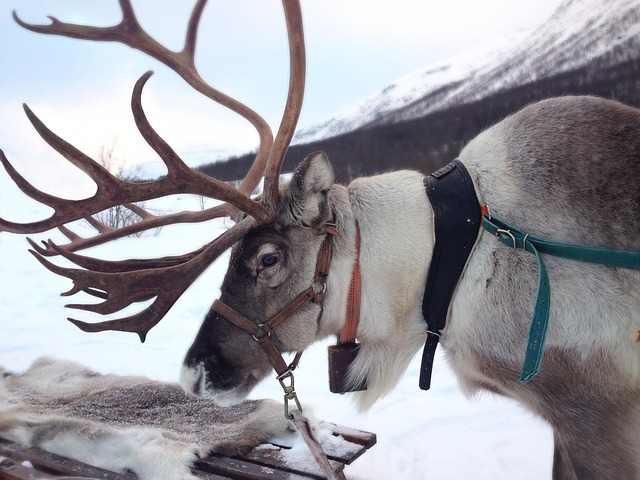
The Sami culture is rich and vibrant, combining traditional practices with modern influences. They are traditionally known for herding reindeer, a practice that’s not just a lifestyle but a profound connection to nature. Can you imagine living in sync with the seasons, where each year you follow the reindeer migration? It’s a dance between man and nature, where respect for the earth is paramount. Their colorful clothing, known as gákti, isn’t just for show—it carries stories and identities stitched right into the fabric.
Today, the Sami are navigating the complexities of modern life while fiercely holding onto their traditions. Many Sami now live in urban areas, pursuing education and careers, yet they still embrace their heritage through language, handicrafts, and festivals. It’s like trying to balance on a tightrope—keeping one foot in the modern world while preserving centuries of cultural wisdom on the other.
Exploring the Resilience of the Sami People: A Journey Through Their Heritage and Modern Life
Picture this: the northern lights dancing across the sky, while the Sami herd their reindeer across the tundra. This isn’t just a picturesque view; it’s a glimpse into a lifestyle steeped in history and connection to nature. For centuries, the Sami have relied on reindeer herding, fishing, and crafting beautiful handicrafts, all while facing the pressure of modernization. But instead of fading away like whispers in the wind, they’ve adapted, ensuring their rich cultural tapestry remains intact.
You might think the Sami’s heritage is like a delicate snowflake — beautiful yet fragile. However, like the invigorating breeze of the Arctic, their traditions are robust, carrying them through adversity. They’ve fought for land rights and recognition, reminding the world that their voice matters. Modern Sami have not only preserved their languages and customs but have woven them into contemporary life. Imagine traditional joik singing resonating in a bustling city, echoing a time when life was simpler, yet just as complex.
Isn’t it inspiring how they embrace the past without letting it hold them back? From vibrant festivals celebrating Sami culture to innovative reindeer-based businesses, they exemplify a blend of the old and the new. In their story, we find a testament to the strength of community and the unwavering spirit of a people who refuse to be sidelined in the modern world.
From Reindeer Herding to Global Recognition: The Sami People’s Cultural Revival in the 21st Century
Have you ever thought about how a group of people can reinvent themselves while staying true to their heritage? The Sami community is doing just that! In recent decades, Sami culture has taken center stage, thanks in part to their passionate activism and artistry. From traditional joik singing that echoes the spirit of their ancestors to vibrant crafts that reflect their stunning landscapes, the Sami are weaving their identity into the modern tapestry of global culture.
This revival isn’t just about showcasing their unique practices; it’s about reclaiming their voice and rights. Imagine standing up in front of the world and proudly declaring, “This is who we are!” That’s precisely what the Sami have done through festivals, art shows, and even political movements. As they assert their rights to land and resources, they’re also inviting outsiders to learn, appreciate, and respect their way of life.
In the Heart of the Arctic: Understanding the Sami People and Their Land in Scandinavia
The Sami have thrived in this challenging environment for centuries, adapting their ways to the rhythm of the seasons. You might wonder, how do they manage this in such harsh conditions? Well, it’s all about deep-rooted traditions passed down through generations. From reindeer herding to intricate handicrafts, their livelihoods are finely tuned to the Arctic’s pulse. It’s a stark contrast to modern life, where the hustle and bustle can drown out those elemental connections to nature.
Their stunning folk music, known as joik, echoes through the fjords, telling stories that encapsulate their deep relationship with the land. Imagine listening to those ethereal sounds while surrounded by snow-capped mountains and the distant crackle of ice. It’s a bit like stepping into a fairytale, where every note carries emotions and memories, weaving a tapestry of identity.
Yet, the Sami’s story isn’t free of challenges. Global warming and industrial expansion threaten their traditional way of life, stirring a passionate resolve within the community to protect their heritage. Isn’t it incredible how resilience blooms in the face of adversity? The Sami continue to advocate for their rights, ensuring their voice is heard loud and clear in a world that often overlooks them. This ever-evolving narrative of struggle and triumph is as compelling as the icy wilderness they inhabit, painting a portrait of dignity and strength.
The Sami Identity: Navigating Tradition and Modernity in a Changing World
Now, imagine tying reindeer herding—an ancient practice—to the digital age. It’s as if they’re taking a classic recipe and adding a dash of the contemporary. Sami communities are embracing technology to promote their culture, share their stories, and even market traditional crafts. Have you ever thought how social media can be a modern campfire, bringing people together? For the Sami, platforms like Instagram or TikTok serve as vital tools to amplify their voices and showcase their rich cultural heritage.
But it’s not all about social media glitz. Many Sami navigate a tricky path, balancing the pressure of modern life with the need to preserve their unique customs. It’s like walking a tightrope where one side is tradition, rich in folklore, language, and rituals, while the other side is the fast-paced world we live in. They wear their traditional costumes, the gákti, with pride, yet they may also don a suit for business meetings. Isn’t that a striking contrast?
Cultural festivals play a vital role, acting as a bridge between generations. Picture them as vibrant gatherings where elders pass down stories while the youth bring fresh perspectives. This is where the Sami identity thrives, in the interplay of keeping age-old traditions alive while also boldly stepping into tomorrow. So, as the world continues to change, the Sami people remind us that it’s possible to honor the past while joyfully embracing the future.
Frequently Asked Questions
Where Do the Sami Live Today?
The Sami primarily inhabit the northern regions of Norway, Sweden, Finland, and Russia’s Kola Peninsula. They maintain a semi-nomadic lifestyle, traditionally associated with reindeer herding, and their communities are recognized for preserving their unique cultural heritage and languages.
Who Are the Sami People?
The Sami are an Indigenous people primarily inhabiting the northern parts of Norway, Sweden, Finland, and Russia. They have their own distinct languages, cultures, and traditions, traditionally linked to reindeer herding, fishing, and hunting. The Sami strive to preserve their cultural identity and rights while facing modern challenges.
How Has Modernization Affected Sami Culture?
Modernization has significantly impacted Sami culture by introducing changes in traditional livelihoods, such as reindeer herding and fishing, due to industrialization and climate change. While it brings opportunities for economic development and education, it also poses challenges to cultural preservation, leading to a blend of traditional practices with contemporary influences. As a result, the Sami community navigates the balance between maintaining their heritage and adapting to a rapidly changing world.
What Are Traditional Sami Lifestyles and Practices?
Traditional Sami lifestyles revolve around a deep connection to nature and their environment, characterized by reindeer herding, fishing, and gathering. The Sami people maintain unique cultural practices, including distinctive clothing, language, and handicrafts. Their spiritual beliefs often emphasize harmony with nature, and traditional music, such as joik, plays a significant role in their cultural expression.
What Is the History of the Sami People?
The Sami people, an indigenous group of northern Europe, have a rich history that dates back thousands of years, primarily inhabiting regions across Norway, Sweden, Finland, and Russia. Their culture has evolved with a deep connection to nature, traditional reindeer herding, and unique languages. Throughout history, the Sami have faced challenges such as colonization and forced assimilation, yet they continue to preserve their heritage, advocating for rights, cultural recognition, and self-determination in contemporary society.