The royal realm is steeped in oddities, from swans that belong to the monarch to the curious ritual of keeping ravens at the Tower. Modern readers may find these customs quaint or perplexing, yet they endure as part of the country’s historical tapestry. This piece revisits several well-known and lesser-known traditions with newly crafted phrasing, keeping the spirit of rarity and ceremony intact.
Swan upping has long been a ceremonial census of swans along the River Thames. Historically, the monarch could claim unmarked swans swimming in open waters; today, the event emphasizes conservation and education rather than culinary use. A fleet of rowing skiffs leads the procession, guided by a designated swan marker. This annual activity echoes centuries of royal interest in these birds while highlighting stewardship of wildlife.
When the monarch travels to the State Opening of Parliament, a symbolic hostage is taken from the House of Commons as a precaution. This tradition, rooted in past political tensions, persists as a ceremonial gesture that accompanies the royal journey and returns once the monarch has completed the formal proceedings. The ritual underscores the enduring interplay between the crown and Parliament in a historical framework.
The Office of High Sheriff holds one of the oldest secular offices in the United Kingdom. Sheriffs have been appointed to maintain order within counties for more than a millennium. A distinctive aspect of their appointment is the method of marking the parchment roll: the sovereign uses a bodkin to prick the parchment, creating holes instead of ink marks. Although myths surround this practice’s origin, historical records show that the perforated roll appears from earlier monarchic eras and served a practical purpose in recording appointments.
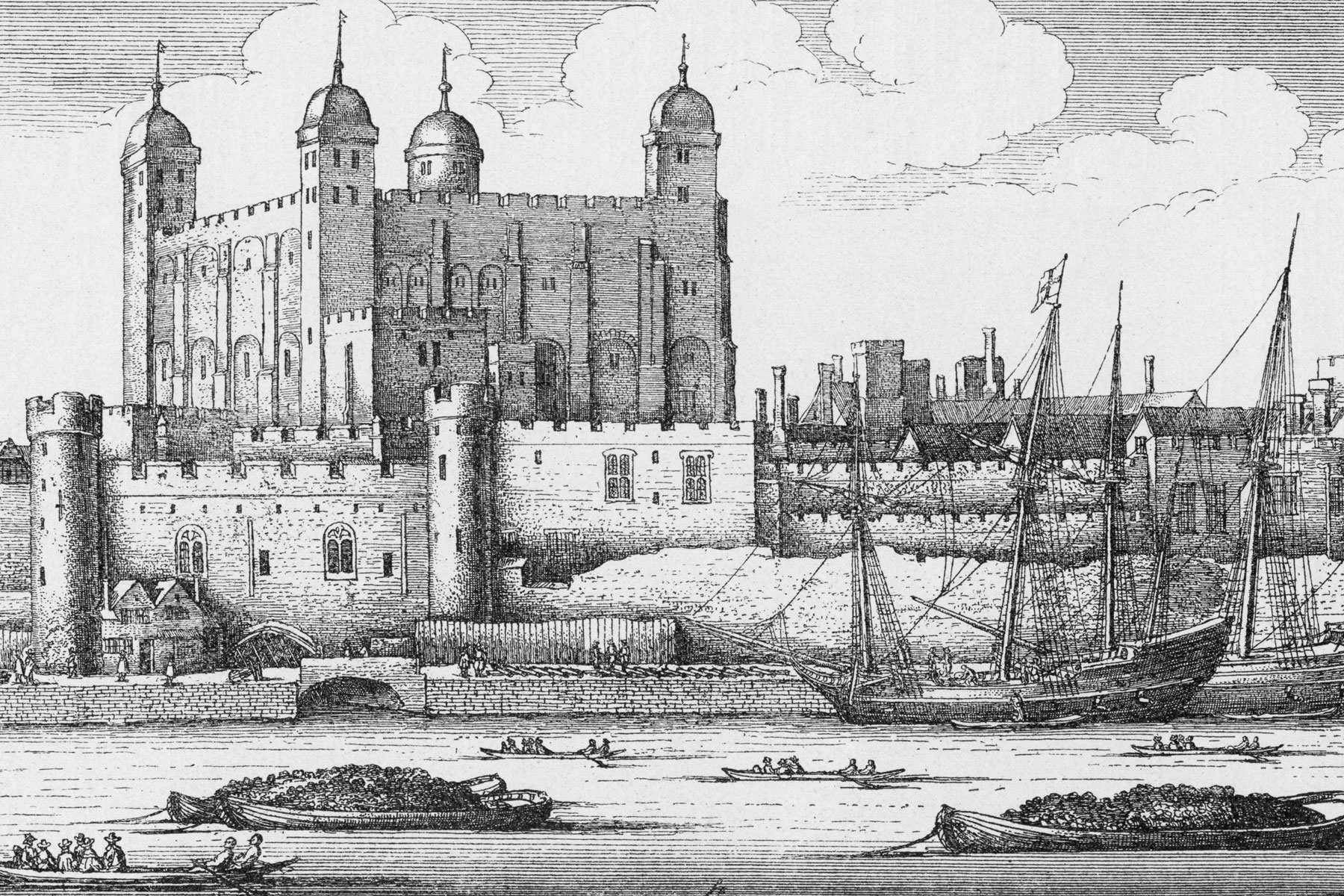
Tower of London lore dictates that ravens must reside on its grounds to safeguard the realm. Legends claim that the country’s fate hinges on these birds remaining near the crown. The Raven Master has historically ensured their presence, and even during wartime, the number of ravens was maintained to satisfy the superstition that a full complement protects Britain. The modern practice continues as a symbol of national continuity and myth-making.
A centuries-old exchange links the Duke of Wellington to a unique form of rent: a copy of the French flag. Since 1817, the duke presents this tricolor as a symbolic annual rent in acknowledgment of his role in the Napoleonic era and the acquisition of Stratfield Saye House. A spare flag kept on the estate acts as a safeguard, ensuring the tradition persists regardless of unforeseen events.