The Historical Foundations of Sami Shamanic Traditions
Rooted in the boreal forests and tundra landscapes of northern Scandinavia and northwestern Russia, Sami shamans historically served as spiritual intermediaries between the human realm and the natural world. Their practices emerged from a deeply animistic worldview where every mountain, river, and forest was inhabited by sentient forces. Unlike classical shamanic systems in Siberia or Central Asia, Sami spirituality developed in close synchronization with Arctic ecological cycles, creating a unique framework for healing secrets from nature. Historical accounts, including 17th-century missionary records and modern anthropological studies, confirm that these practitioners relied on rigorous oral transmission of botanical knowledge, dream interpretation, and seasonal ritual calendars to maintain community health.
Philosophical Underpinnings of Sami Cosmology
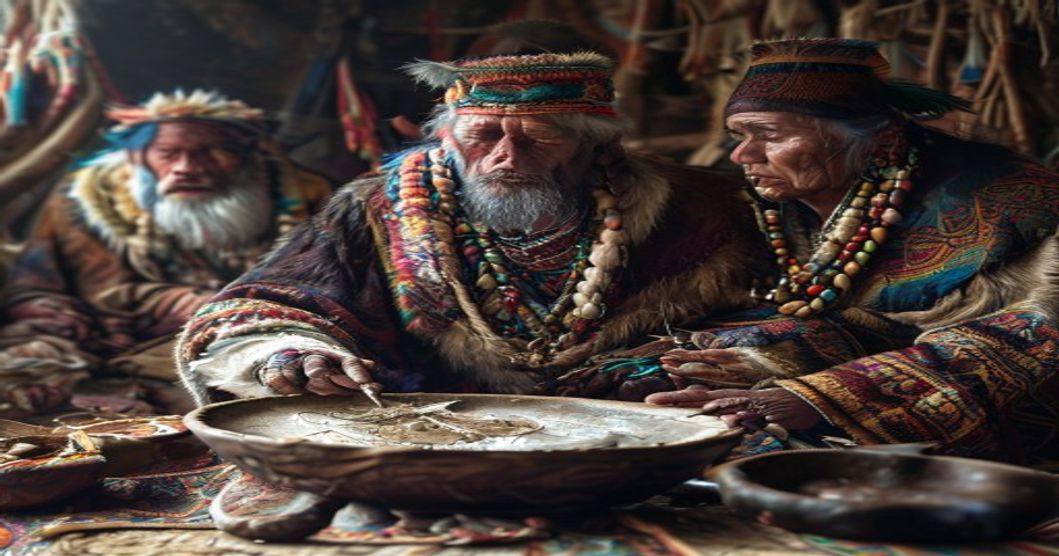
The conceptual architecture of Sami shamanism operates on the principle of reciprocal exchange. Health was not viewed as an isolated physiological state but as a dynamic equilibrium between individual vitality and environmental harmony. Shamans, known as noaidi, navigated three cosmic layers: the upper realm of celestial deities, the middle world of human and animal spirits, and the lower realm connected to earth-bound energies. Healing required precise alignment across these strata, achieved through controlled trance states, rhythmic drumming, and meticulous observation of natural omens.
Botanical Arsenal and Traditional Remediation Techniques
The terrestrial toolkit of Sami herbal medicine reflects centuries of empirical testing in extreme climates. Practitioners harvested juniper berries for respiratory purification, birch bark for anti-inflammatory applications, and cloudberry leaves as a cardiovascular tonic. Reindeer moss (Cetraria islandica) was processed into poultices for wound stabilization and gastrointestinal regulation. Preparation methods prioritized chemical preservation: air-drying in shaded ventilation, fermentation in reindeer stomachs, and cold-water extraction to retain volatile oils.
Ecological Foraging Protocols
Sustainable harvesting dictated every medicinal collection. Shamans followed strict rotational foraging cycles, leaving root systems intact and collecting only mature specimens during specific lunar phases. This traditional ecological knowledge ensured long-term biodiversity maintenance while maximizing therapeutic potency. Ethnobotanical records demonstrate that Sami practitioners recognized plant synergies centuries before modern pharmacology validated their combinations.
Ritual Instruments and Energetic Diagnostic Methods
The goavddis, or Sami shamanic drum, functioned as both a navigational map and a therapeutic catalyst. Drum surfaces were painted with geometric sigils representing spirits, celestial bodies, and geographical landmarks. When struck in specific rhythmic sequences, the drum induced theta-wave brain states, enabling practitioners to access altered consciousness for soul retrieval therapy and spirit negotiation. Diagnostic accuracy relied on interpreting drumstick movements, which indicated directional guidance from the spirit world.
Sonic and Environmental Cleansing Practices
Beyond internal imbalance, Sami healers addressed external contaminants through acoustic purification. Smoke fumigation using dried birch twigs and juniper branches neutralized stagnant air in dwelling spaces. Water chanting near glacial streams was believed to restore mineral equilibrium in the body. These nature-based rituals operated on the premise that environmental resonance directly influenced physiological wellness, a concept increasingly validated by modern biophysics research.
Cultural Continuity and Contemporary Ethical Frameworks
The preservation of Sami indigenous healing practices faces ongoing challenges from historical suppression and commercial exploitation. Academic documentation has shifted from colonial extraction to collaborative ethnomedicine, emphasizing community consent and intellectual property rights. Modern revitalization efforts prioritize intergenerational knowledge transfer through certified cultural centers and university partnerships.
Scientific Validation and Integration Pathways
Contemporary phytochemical analysis has confirmed the antimicrobial properties of Sami-recommended lichen extracts and the antiplatelet effects of cloudberry derivatives. Integrative medicine frameworks now recognize these traditional remedies as precursors to modern ethnopharmacology. Ethical application requires strict adherence to indigenous governance protocols, ensuring that commercial or clinical utilization respects sovereignty and compensates source communities appropriately.
Frequently Asked Questions
What is Sami Healers and Traditional Medicine?
Sami Healers and Traditional Medicine refers to the indigenous healing practices, herbal knowledge, and spiritual rituals of the Sámi people, the indigenous inhabitants of Sápmi (northern Norway, Sweden, Finland, and Russia). These healers historically used drums, chants, and natural remedies to treat physical and spiritual ailments.
Key facts about Sami Healers and Traditional Medicine
Rooted in animistic beliefs and a deep connection to nature. Utilizes locally foraged plants, mosses, lichens, and animal parts for remedies. Historically practiced by noaidis who served as spiritual mediators. Often involved joik (traditional chanting) and drum divination for diagnosis. Many practices were suppressed during Christianization but are experiencing a cultural revival today.