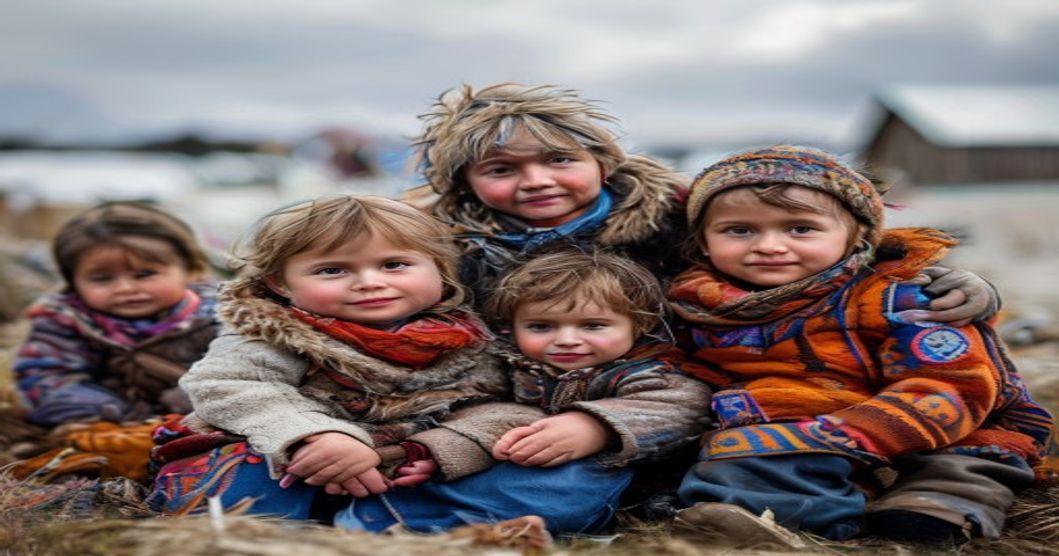
Core Principles of Sami Parenting and Cultural Continuity
Sami parenting is fundamentally rooted in the preservation of indigenous identity, ecological harmony, and collective responsibility. Families across Sápmi prioritize cultural continuity by embedding ancestral practices into daily routines. Parents consciously design childhood experiences around seasonal rhythms, land-based learning, and oral storytelling, ensuring that children internalize Sámi worldviews before formal education systems intervene.
Intergenerational Knowledge Transfer in Sami Families
The transmission of traditional skills—such as reindeer husbandry, duodji handicrafts, and wilderness navigation—relies on direct observation and guided participation. Elders serve as primary instructors, while parents facilitate contextual learning during hunting, fishing, and gathering activities. This experiential pedagogy replaces abstract instruction with lived practice, reinforcing resilience and environmental stewardship.
Language Preservation as a Parenting Priority
Nurturing Sámi languages remains the most critical objective in contemporary Sami parenting strategies. With multiple dialects facing varying degrees of endangerment, parents implement immersive home environments to counteract linguistic assimilation. The deliberate use of North Sámi, Inari Sámi, Skolt Sámi, or South Sámi at home establishes a linguistic foundation that supports cognitive flexibility and cultural belonging.
Practical Strategies for Native Language Acquisition
Families employ structured language immersion techniques, including storytelling sessions, song-based learning, and community participation in local festivals. Parents collaborate with Sámi-medium schools to reinforce vocabulary acquisition outside classroom hours. Digital resources, such as interactive dictionaries and recorded elder interviews, supplement traditional methods while maintaining authentic pronunciation and grammatical structures.
Community-Centric Child Rearing Practices
Sami parenting operates within a collectivist framework where child development is viewed as a shared community obligation rather than an individual parental duty. The historical siida structure continues to influence modern upbringing, emphasizing cooperation, resource sharing, and mutual accountability. Children are integrated into group activities from early ages, fostering social cohesion and reducing isolation in dispersed Arctic settlements.
The Role of Elders and Peer Networks in Sami Upbringing
Grandparents and community elders function as cultural anchors, transmitting ethical codes, historical narratives, and spiritual perspectives. Peer groups formed through seasonal camps and educational cooperatives reinforce normative behaviors and conflict resolution skills. This networked upbringing model ensures that children develop adaptive social competencies aligned with Sámi communal expectations.
Modern Challenges and Adaptive Parenting Frameworks
Contemporary Sami families navigate complex intersections between indigenous traditions and mainstream educational systems. Urban migration, standardized curricula, and digital media exposure create pressure points for cultural transmission. Parents respond by establishing hybrid routines that protect sacred practices while accommodating modern socioeconomic realities. Strategic use of Sámi cultural centers and land-based learning programs helps maintain identity resilience across generations.
Bridging Historical Practices with Contemporary Sami Identity
Successful adaptation requires deliberate curation of tradition rather than passive preservation. Parents actively select which customs align with current ethical standards and environmental conditions, discarding outdated elements while amplifying core values like reciprocity, respect for nature, and linguistic pride. Community-led parenting workshops provide structured guidance for negotiating these transitions without compromising autonomous Sámi agency.
Frequently Asked Questions
What is Raising Children in Sami Communities?
Raising Children in Sami Communities refers to the traditional and contemporary practices, cultural values, and educational approaches used by the Sámi people to nurture, teach, and socialize their children within their indigenous context in Northern Europe.
Key facts about Raising Children in Sami Communities
Key facts include the strong emphasis on oral storytelling, reindeer herding skills, bilingual education (Sámi languages and national languages), community-based child-rearing, and the preservation of indigenous knowledge passed down through generations.