The Foundations of Sami Arctic Life
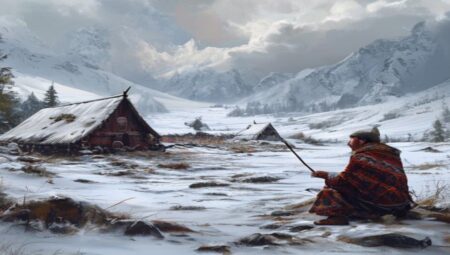
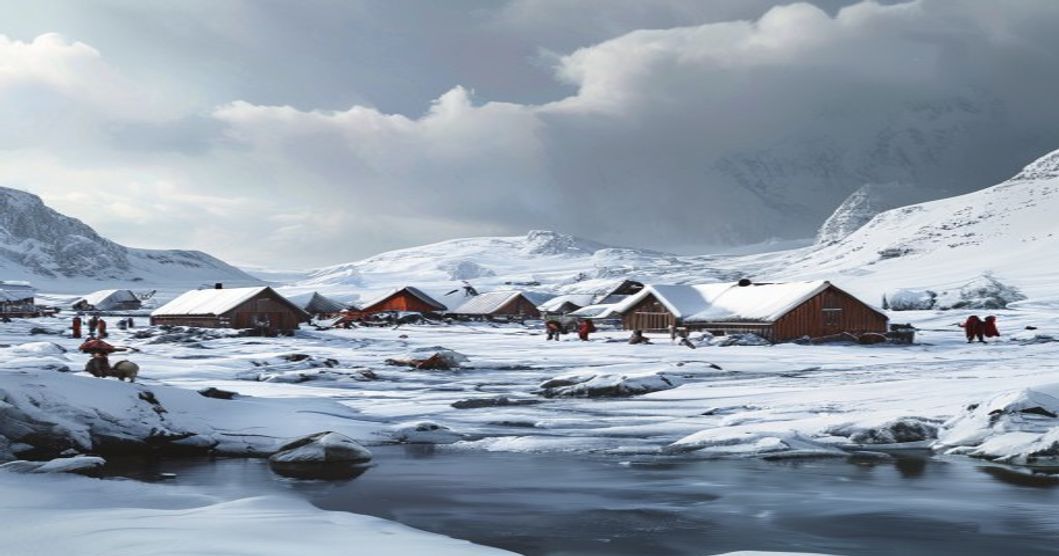
Sami Arctic life is defined by centuries of adaptation to one of the planet’s most demanding environments. Spanning across northern Fennoscandia—northern Norway, Sweden, Finland, and Russia’s Kola Peninsula—the Sami people have developed a unique socio-ecological system that harmonizes human survival with extreme climatic conditions. The region experiences polar nights, permafrost soils, and short growing seasons, necessitating deep traditional ecological knowledge. Communities historically relied on seasonal resource tracking, understanding microclimates, and reading ice formations to navigate safely across vast, treeless landscapes.
Reindeer Herding: A Sustainable Livelihood
Traditional Migration Routes and Seasonal Cycles
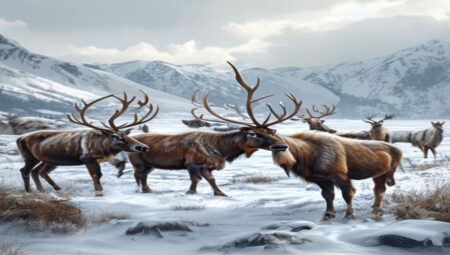
Reindeer herding remains the cultural and economic cornerstone of pastoral Sami communities. Unlike domesticated livestock systems, reindeer are semi-domesticated, retaining strong migratory instincts that dictate annual transhumance patterns. Herders follow established siida districts, moving cattle to winter pastures in boreal forests for lichen-rich diets and summer grounds in open tundra where mosquitoes deter pests. This cyclical movement prevents overgrazing and maintains soil health across fragile Arctic ecosystems.
Modern Challenges in Reindeer Pastoralism
Contemporary Sami culture faces mounting pressure from climate-driven habitat shifts, altered snowpack densities, and expanding infrastructure. Industrial forestry, mining operations, and wind farm developments frequently fragment traditional grazing corridors. Legal frameworks across Scandinavian nations increasingly recognize reindeer herding as a protected livelihood, yet land-use conflicts persist. Herders now integrate GPS tracking and satellite imagery with ancestral forecasting methods to monitor herd movements and pasture degradation.
Cultural Heritage and Spiritual Worldview
The Role of Duodji and Traditional Crafts
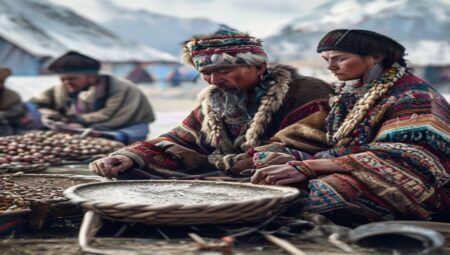
Duodji, the Sami term for traditional handicrafting, transcends mere utility to function as a living archive of cultural identity. Artisans utilize reindeer antler, bone, birch root, and wolfsbane to create functional tools, clothing, and ceremonial objects. Each piece undergoes rigorous seasonal preparation, from tanning hides using brain-tanning techniques to dyeing textiles with lichen and berries. These crafts are transmitted through familial lineages, ensuring that material culture remains synchronized with ecological rhythms.
Joik, Language, and Oral Traditions
The linguistic landscape of the Sami people comprises multiple dialect groups, including North Sami, Inari Sami, and Skolt Sami, all classified under the Uralic language family. Oral transmission remains vital, particularly through joik, a distinctive form of song that embodies emotional landscapes, spiritual connections to nature, and historical memory. Unlike Western musical structures, joik does not describe a subject but rather evokes its essence. Contemporary educators and digital archivists are developing immersive language apps and community-led storytelling workshops to counteract historical assimilation policies.
Arctic Nature and Ecological Interdependence
Biodiversity and the Tundra Ecosystem
The Arctic nature surrounding Sami territories supports specialized flora and fauna adapted to low temperatures and nutrient-poor soils. Dominant vegetation includes dwarf birch, Arctic willow, reindeer lichen, and cotton grass, which form the base of a complex food web. Faunal residents like polar bears, arctic foxes, wolverines, and migratory bird species rely on seasonal productivity pulses. Reindeer herding practices inadvertently support biodiversity by clearing shrub encroachment and distributing seeds through hoof action.
Conservation Efforts and Land Stewardship
Modern conservation frameworks increasingly recognize Sami communities as essential partners in landscape management. Co-management agreements grant herders oversight over wildlife populations and habitat restoration projects. Indigenous monitoring networks track permafrost thaw rates, snow depth variability, and reindeer calf survival metrics. These data streams inform regional climate adaptation strategies, demonstrating how traditional ecological knowledge and scientific methodologies can operate synergistically to preserve fragile Arctic biomes for future generations.
Frequently Asked Questions
What is Arctic Life in Sami Communities?
Arctic life in Sami communities refers to the traditional and contemporary lifestyles of the Sami people, an indigenous group inhabiting the northern regions of Norway, Sweden, Finland, and Russia’s Kola Peninsula. It is characterized by a deep connection to the harsh Arctic environment, relying on reindeer herding, fishing, hunting, and gathering, while maintaining rich cultural traditions, language, and sustainable practices adapted to extreme climates.
Key facts about Arctic Life in Sami Communities
Key facts include: the Sami are the only officially recognized indigenous people in the EU; reindeer herding is central to their economy and culture; they possess a distinct family of languages known as Sami languages; traditional knowledge of snow, ice, and wildlife is highly advanced; and modern Sami communities actively blend ancestral practices with contemporary governance, education, and environmental stewardship in the Arctic region.