The Foundations of Sami Family Heritage
Kinship Networks and Social Organization
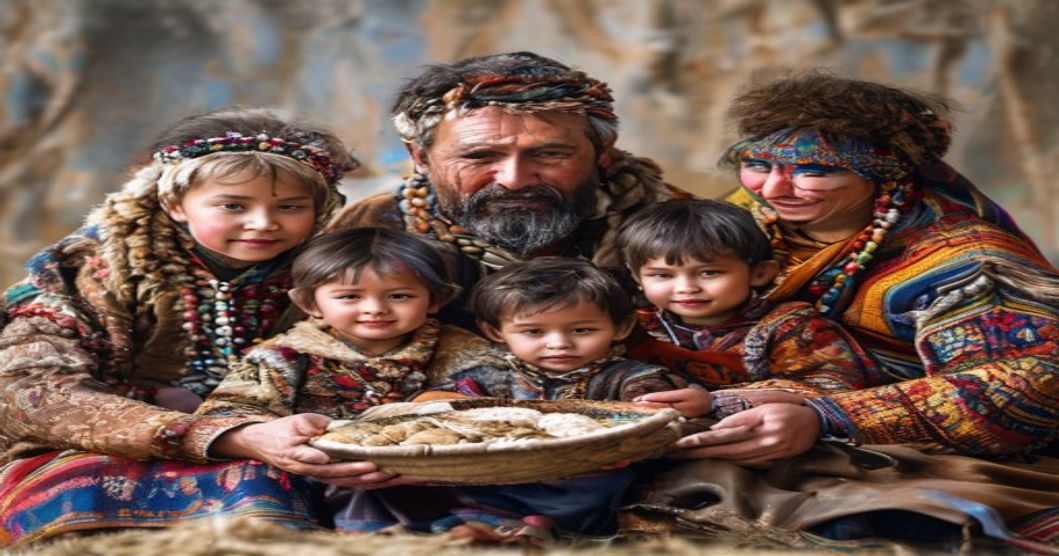
The Sami family traditions are deeply rooted in extended kinship structures that prioritize collective responsibility, mutual aid, and seasonal mobility across the Arctic regions of Norway, Sweden, Finland, and Russia. Unlike nuclear-family models common in industrialized societies, indigenous Sami households historically operated as interconnected units where elder guidance, sibling coordination, and clan alliances determined resource allocation, marriage arrangements, and conflict resolution. These kinship networks functioned as adaptive survival mechanisms in extreme climates, ensuring that knowledge of weather patterns, animal behavior, and terrain navigation was continuously preserved within trusted familial lines.
Geographic Influence on Cultural Development
The vast, ecologically fragile landscapes of Sapmi directly shaped indigenous heritage practices, embedding mobility and environmental stewardship into family identity. Seasonal migrations between coastal fishing grounds, inland forest camps, and highland tundra required families to maintain flexible social roles where gender distinctions were often functional rather than rigid. Children learned practical survival skills alongside cultural norms through immersive participation, establishing a foundation where cultural identity was inseparable from ecological awareness and territorial belonging.
Core Traditions Shaping Family Identity
The Role of Reindeer Herding in Family Life
Reindeer herding heritage remains the economic and spiritual cornerstone of many Sami families, governing daily routines, seasonal calendars, and intergenerational responsibilities. Herding operations are typically managed through family cooperatives where livestock ownership is tracked across generations, and decision-making relies on consensus among experienced elders and working adults. The practice demands precise knowledge of reindeer migration routes, veterinary care, and sustainable grazing management, all transmitted through hands-on apprenticeship rather than formal instruction.
Artistic Expression Through Joik and Duodji
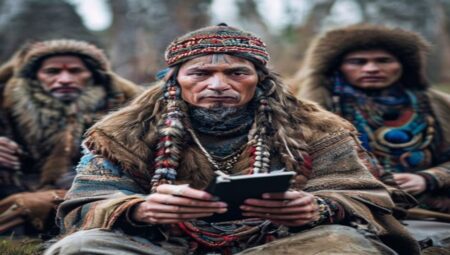
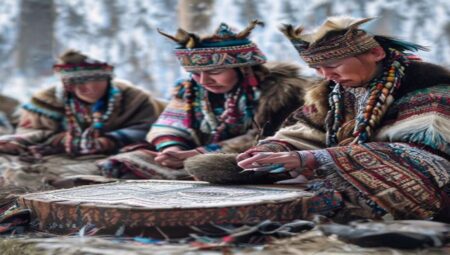
Joik vocal tradition and duodji craftsmanship serve as primary vessels for encoding family history, personal milestones, and community values. A joik is not merely a song but a sonic representation of a person, place, or event, performed within intimate family settings to honor ancestors or mark seasonal transitions. Similarly, duodji items such as reindeer-skin clothing, carved wooden tools, and woven belts are customized with symbolic patterns that reflect familial lineage and regional identity. These artistic practices reinforce Sami family traditions by transforming everyday objects and performances into living archives of indigenous heritage.
Navigating Modernity While Preserving Heritage
Language as the Backbone of Cultural Continuity
The survival of Sami family traditions hinges on linguistic transmission, with Northern Sámi, Lule Sámi, and Southern Sámi functioning as primary carriers of cultural nuance, ecological terminology, and oral history. Historical assimilation policies severely disrupted language acquisition, prompting contemporary families to implement deliberate revitalization strategies such as home-language agreements, storytelling sessions, and community immersion camps. Language revitalization initiatives now operate in tandem with institutional programs, but family-based usage remains the most effective mechanism for embedding linguistic competence into daily life and reinforcing cultural identity.
Legal and Environmental Advocacy in Contemporary Families
Modern Sami households increasingly engage in land rights litigation, climate activism, and policy advocacy to protect ancestral territories from industrial extraction and ecological degradation. Family networks mobilize through legal cooperatives, indigenous coalitions, and transnational alliances to secure grazing permits, water rights, and cultural protection statutes. This activist dimension of indigenous heritage demonstrates how traditional values of territorial stewardship adapt to contemporary frameworks, strengthening Sami family traditions while asserting sovereignty in the global arena.
Intergenerational Transmission in the 21st Century
Youth-Led Revitalization and Digital Innovation
The younger generation of Sami families is redefining cultural identity through digital platforms, podcast networks, and social media campaigns that document joik performances, duodji techniques, and herding expeditions. Virtual workshops, streaming ceremonies, and mobile language apps enable dispersed family members to maintain connections despite urban migration and geographic dispersion. This technological adaptation does not dilute authenticity; rather, it expands the reach of Sami family traditions while preserving core values through curated, community-approved digital archives.
Educational Frameworks and Community Partnerships
Intergenerational knowledge transfer is now reinforced by weekend language schools, cultural immersion camps, and university partnerships that formalize traditional pedagogy alongside academic curricula. Families collaborate with indigenous organizations to develop age-appropriate learning modules that integrate ecological science, legal rights, and artistic practice. These structured programs ensure that indigenous heritage remains dynamic rather than static, allowing Sami family traditions to evolve while maintaining their foundational role in shaping resilient, identity-driven communities across the modern world.
Frequently Asked Questions
What is Sami Family Traditions in Modern Society?
Sami family traditions in modern society refer to the cultural practices, values, and social structures of the Indigenous Sami people that have adapted to contemporary life while preserving their heritage. These traditions emphasize strong kinship ties, communal decision-making, respect for elders, and the continued importance of reindeer herding, handicrafts (duodji), and the Sami language in daily family life.
Key facts about Sami Family Traditions in Modern Society
Key facts include the central role of the extended family in cultural transmission, the integration of traditional seasonal livelihoods with modern education and employment, the preservation of the joik (traditional song) and duodji (handicraft) as family activities, and the ongoing efforts by Sami communities to maintain linguistic identity and land rights within modern European nation-states.