The Arctic Landscape and Sami Settlement Patterns
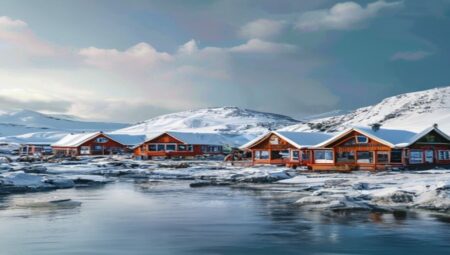
The indigenous Sami culture has evolved across a vast transnational region spanning northern Fennoscandia, where the Arctic geography dictates every aspect of daily life. This territory encompasses three distinct biomes: the coastal fjord zones, the dense boreal taiga, and the high-altitude alpine tundra known as fjell. Historically, Sami communities established semi-permanent settlements along river valleys and coastal inlets, leveraging natural topography for navigation and resource access. The harsh polar climate, characterized by extended periods of midnight sun and months of arctic night, forced the development of highly specialized ecological knowledge. Early settlement patterns were not fixed but dynamically shifted to follow wildlife corridors, fish runs, and lichen-rich grazing lands.
Tundra, Taiga, and Fjell: Geographic Boundaries of Sami Territories
The tripartite division of the Arctic landscape serves as the foundational framework for traditional Sami livelihoods. The coastal fjord regions provided access to marine mammals, cod, and saithe during winter months, while the taiga offered critical timber for construction, resin collection, and hunting grounds for moose and bear. The alpine tundra functioned as the ecological core for reindeer pastoralism, where nutrient-poor soils supported extensive lichen meadows essential for herd survival. Geographic barriers such as mountain ranges and glacial valleys historically defined clan territories, fostering distinct dialectical groups including the Coastal Sami, Forest Sami, and Mountain Sami. Each subgroup developed hyper-localized navigation systems utilizing natural landmarks, wind patterns, and stellar observations to traverse unmarked terrain.
Climate Extremes and Adaptive Architectural Traditions
Sami architectural adaptations directly respond to Arctic climatic volatility. The traditional kåta utilized a conical wooden frame covered with reindeer hides, enabling rapid assembly during seasonal transitions while providing thermal insulation against wind chill exceeding thirty degrees Celsius below zero. In forested zones, log cabins with turf roofing emerged as permanent winter dwellings, leveraging the high thermal mass of earth to stabilize interior temperatures. Coastal variants incorporated driftwood and whalebone due to timber scarcity, demonstrating resourceful material substitution across ecological zones. Modern structural adaptations continue to integrate passive solar design and windbreak configurations rooted in centuries of environmental observation.
Seasonal Migrations and the Reindeer Herding Cycle
The rhythmic pattern of Sami seasonal migrations represents one of Europe’s last large-scale pastoral nomadic systems. This cyclical movement is not arbitrary but follows a precise annual calendar dictated by reindeer biology, vegetation phenology, and snowpack dynamics. Herds undergo physiological stress during specific seasons, necessitating strategic relocation to optimize forage quality and minimize energy expenditure. The migration routes span hundreds of kilometers, crossing international borders in Norway, Sweden, Finland, and Russia, requiring intricate inter-community coordination and historical land-use agreements.
Winter Pastures and Summer Grazing Routes
During the polar winter, reindeer herds are directed toward sheltered valley bottoms and dense taiga corridors where deep snowfall protects ground lichen. Herders utilize skis and specialized tracking techniques to monitor herd health while managing calving timing to avoid predation peaks. As temperatures rise in late spring, migrations shift toward higher elevations and coastal peninsulas. The summer grazing routes exploit insect-free zones near windward ridges and alpine meadows rich in nutritious grasses and herbs essential for lactating females and growing calves. Each seasonal phase requires precise knowledge of microclimates, terrain stability, and historical route markers maintained through generational oral transmission.
Navigating Frozen Seas and Mountain PassagesArctic Geography and Extreme Environmental Conditions
The Sami inhabit a transnational region spanning northern Fennoscandia. Their ancestral lands stretch across Norway, Sweden, Finland, and the Russian Kola Peninsula. This geographic spread dictates distinct dialect groups and seasonal migration routes. The region sits directly beneath the Arctic Circle, subjecting inhabitants to extreme latitudinal variations. Midnight sun phenomena occur during summer months, providing continuous daylight. Winter temperatures regularly drop below thirty degrees Celsius. Permafrost layers restrict deep root systems and large-scale agriculture. The Sami historically relied on reindeer migration and seasonal fishing. These environmental constraints shaped unique survival strategies.
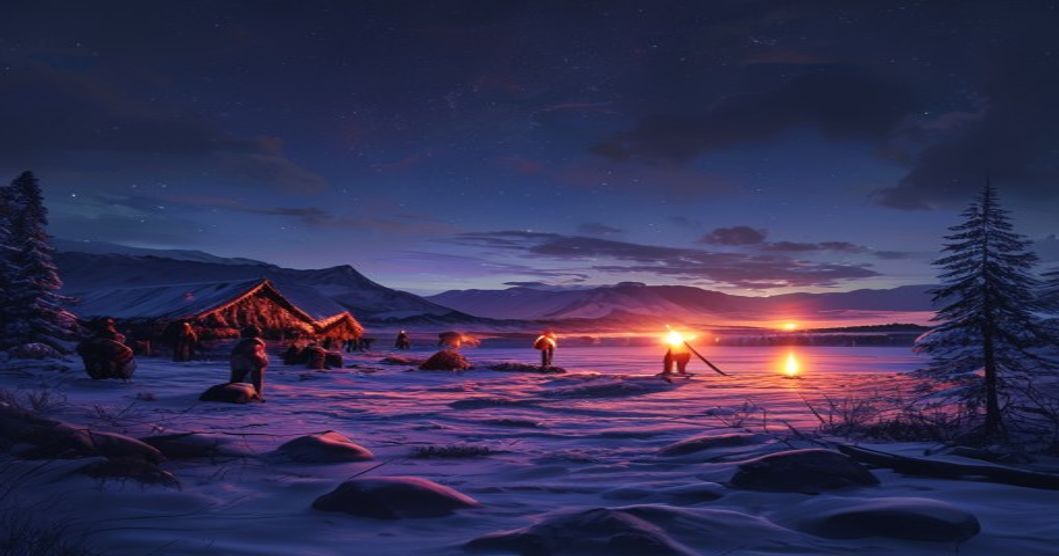
Midnight Sun Ceremonies and Light-Based Offerings
Extended daylight triggers unique physiological adaptations in northern populations. Melatonin production decreases during prolonged exposure to solar radiation. Local communities adjust work schedules to match natural light cycles. Navigators historically used the sun’s path rather than traditional compass bearings. Observers tracked solar altitude against known mountain peaks. Seasonal star positions provided backup guidance during cloud cover. Continuous daylight accelerates photosynthesis in arctic flora. Lingonberry and cloudberry production peaks during midsummer. Harvesters follow specific ripening gradients across elevation zones.
Summer Dwelling Architecture and Temporary Settlements
Traditional drum ceremonies preserved spiritual knowledge across generations. Craftsmen carved cosmic maps onto reindeer hide surfaces. Rituals marked seasonal transitions and hunting expeditions. Lavvu structures utilize conical wooden poles and reindeer hides. Heat circulation patterns maintain warmth during extreme cold snaps. Temporary setups minimize ecological disruption during short-term stays. Handcrafted drums function as both musical instruments and historical archives. Painted symbols record clan genealogies and migration narratives. Rhythmic patterns imitate reindeer hooves and river currents.
Threats to Ancestral Lands and Cultural Erosion
Industrial development pressures threaten ancestral grazing corridors. Mining operations disrupt subterranean water tables and soil stability. Government regulations occasionally limit seasonal migration permissions. Rising winter temperatures generate impermeable ice layers over lichen. Herds experience severe weight loss during extended freezing periods. Migration schedules shift earlier to align with vegetation cycles. Northern Sámi faces declining native speaker demographics across regions. Schools implement immersion curricula to reverse linguistic erosion. Digital archives record elder interviews and traditional storytelling sessions. Sustainable travel frameworks prioritize local economic participation. Guided tours require certification in cultural sensitivity and land ethics. Visitors must respect sacred sites and avoid unauthorized drone flights.
Reindeer Husbandry and Seasonal Migration Routes
Reindeer herding requires precise coordination with seasonal road closures. Winter ice roads replace conventional highways during frozen periods. Summer access depends on boat schedules and helicopter availability. Peak midnight sun visibility occurs between late May and mid-July. Clear atmospheric conditions maximize solar visibility duration. Weather fronts frequently shift across the tundra within hours. Regional authorities enforce strict boundaries around national parks. Vehicle tracks remain prohibited outside designated gravel roads. Guided snowmobile routes require licensed operators and insurance coverage. Purchasing authentic handicrafts sustains local artisan economies. Museum admissions fund ongoing preservation initiatives. Booking accommodations through community-run lodges ensures equitable revenue distribution.
Traditional Knowledge Systems and Ecological Forecasting
Cross-disciplinary research bridges modern meteorology and traditional forecasting. Scientists collaborate with herders to validate atmospheric predictions. Field teams deploy automated weather stations along historical routes. Aurora activity correlates with solar wind intensity and magnetic field fluctuations. Researchers install all-sky cameras at remote observation outposts. Atmospheric sensors measure ionospheric density during polar nights. University grants support joint field studies between academics and elders. Funding bodies require community consent before initiating data collection. Young researchers receive mentorship in oral history methodologies.
Frequently Asked Questions
What is Sami People and Midnight Sun Traditions?
The Sami people are the indigenous inhabitants of Sápmi, a region spanning northern parts of Norway, Sweden, Finland, and Russia. Their traditions are deeply intertwined with the natural cycles of the Arctic, including the Midnight Sun phenomenon, which occurs during summer months when the sun remains visible at night, influencing their seasonal festivals, reindeer herding practices, and cultural celebrations.
Key facts about Sami People and Midnight Sun Traditions
Key facts include: the Sami have a rich oral tradition and distinct languages; the Midnight Sun period lasts from late May to mid-July in northern Sápmi; traditional Sami summer festivals like Joik singing and duodji (craftsmanship) peak during this time; reindeer herding migrates to higher pastures under continuous daylight; and the Sami flag, featuring a sun and moon motif, symbolizes their connection to Arctic light cycles.