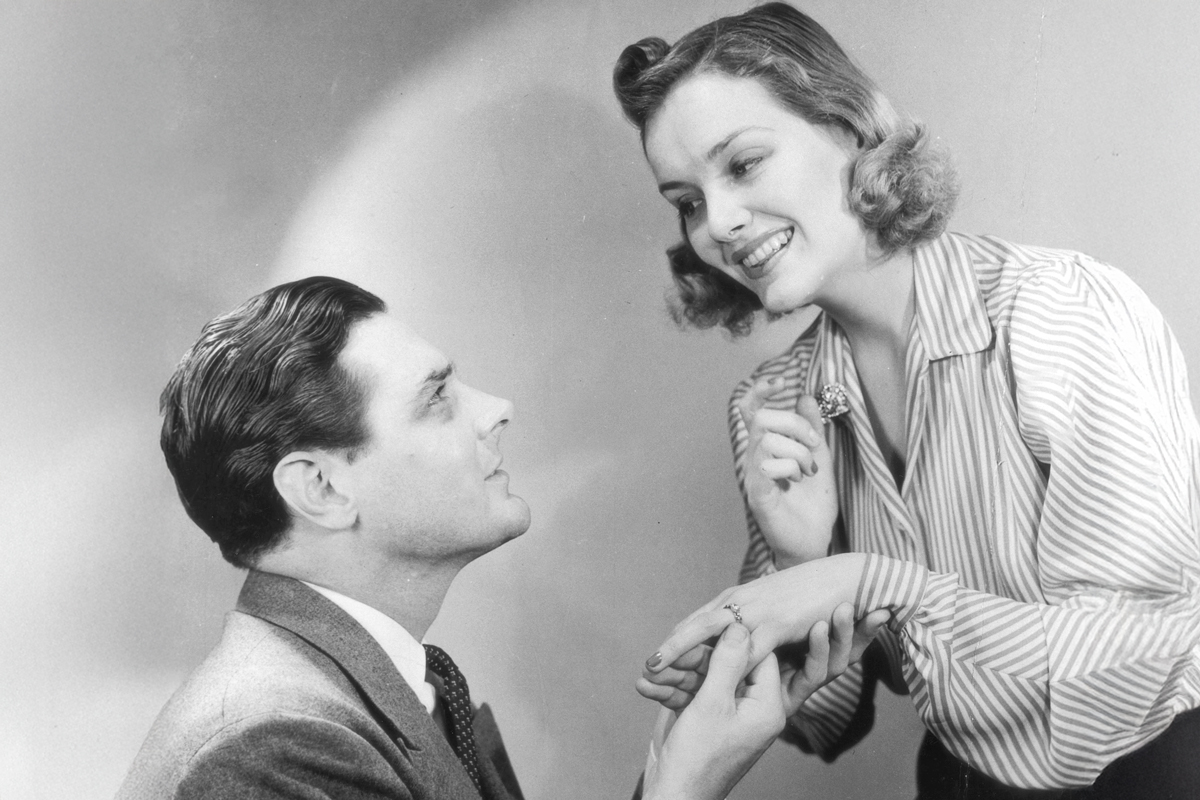
Few moments in a person’s life carry as much emotion and nerves as a marriage proposal. The scene often unfolds with a suitor dropping to one knee, ring in hand, asking the pivotal question: “Will you marry me?” This gesture is widely recognized across Western cultures and has been echoed in countless artworks, photographs, films, and social media posts.
Where did the kneeling gesture originate, and how did it become tied to proposing? Our journey traces the gesture from ancient acts of deference to a modern ritual. The kneeling act is rooted in a long history of genuflection, a word that comes from the Latin genuflectere meaning to bend the knee. Kneeling has signified respect, loyalty, or devotion long before contemporary pop culture even existed.
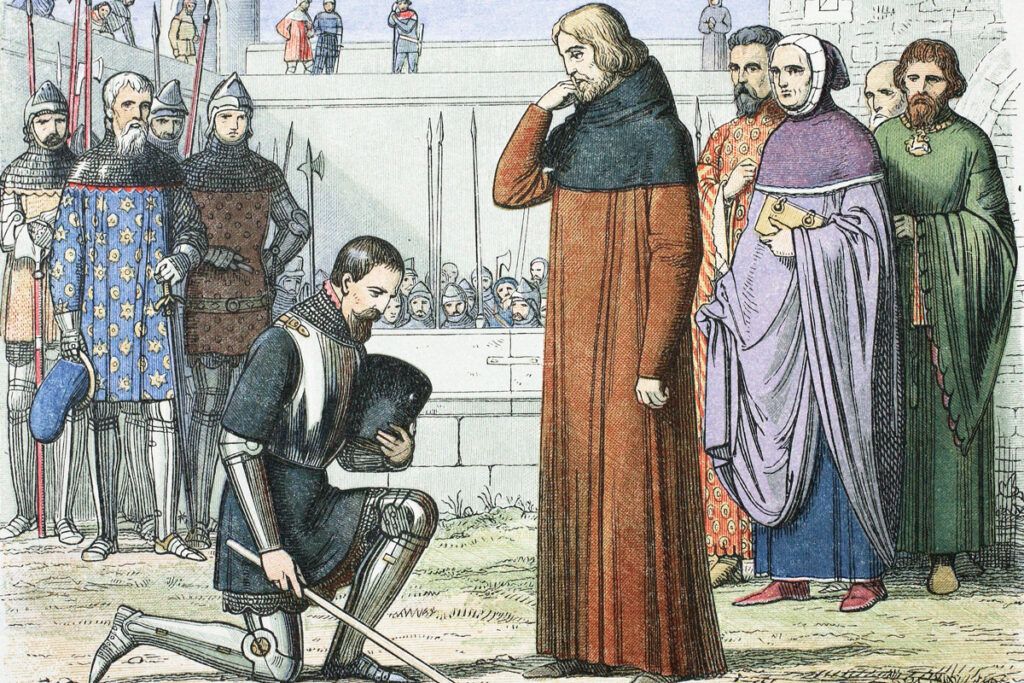
In medieval Europe, kneeling gained deep cultural and religious significance. Genuflection became a common practice in Catholic worship, typically done on the right knee, while the left knee was associated with secular vows of loyalty to lords and monarchs. An exception remains in British knighting ceremonies, where the knight-elect kneels on the right knee as part of the rite of knighthood.
The Courtship Side of Kneeling
Beyond religious and feudal contexts, knights and noblemen would kneel before noblewomen as part of the tradition of courtly love. This expressed admiration, service, and respect, often elevating the woman in a gesture of honor. Although this wasn’t primarily a marriage proposal, the act of kneeling helped shape a broader romantic ritual that later filtered into everyday life.
As centuries passed, the ritual shed its strict feudal associations and acquired a more romantic aura. The kneeling act evolved into a symbol of devotion and admiration that ordinary people could imitate, influencing social etiquette over time.
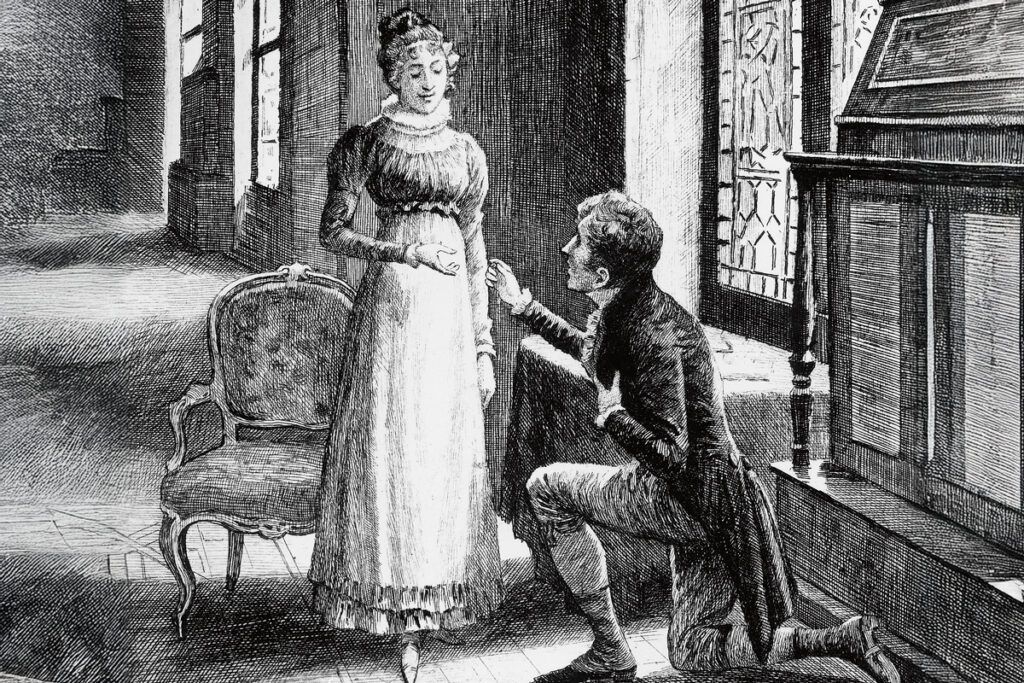
The Rise of the Screen Proposals
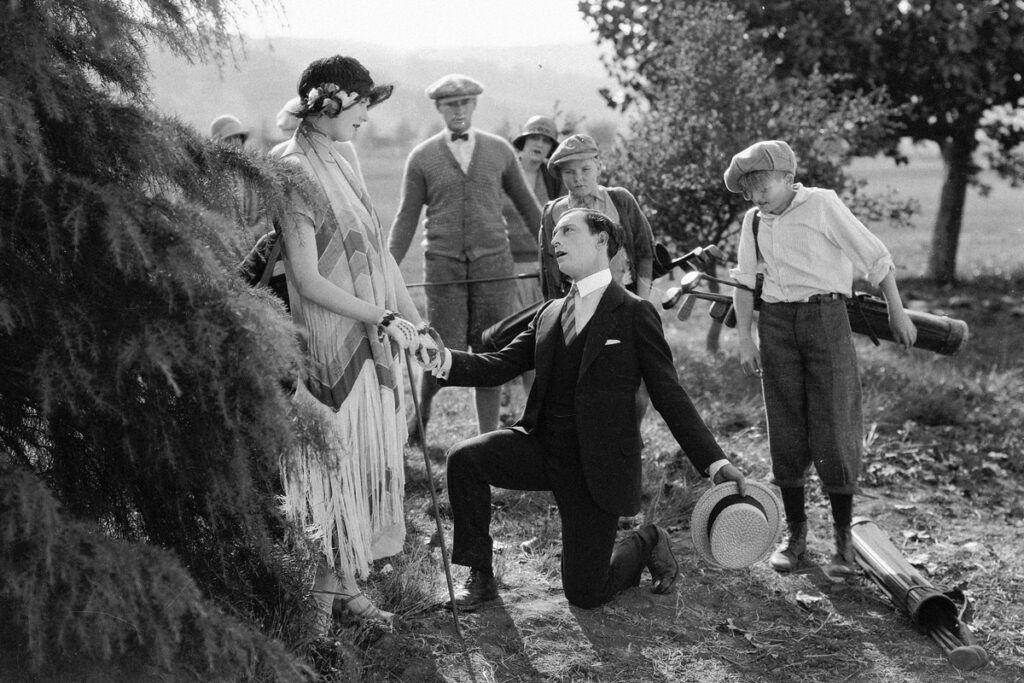
While medieval and religious roots shaped the gesture, it was the silent film era that solidified kneeling as a narrative device for proposals. In the 1920s, cinema popularized the image of a suitor bending the knee to declare intent, providing a visual shorthand for romance in a world without spoken dialogue. Audiences recognized the gesture instantly, and its cinematic success helped translate the moment into real-life behavior.
The transition from fiction to reality followed a natural path: the gesture’s familiar historical backdrop made it a compelling cue in everyday life, eventually becoming a conventional aspect of modern marriage proposals. Though the tradition is often said to originate with left-knee kneeling from medieval custom, today most people perform the gesture without fixating on that particular detail.