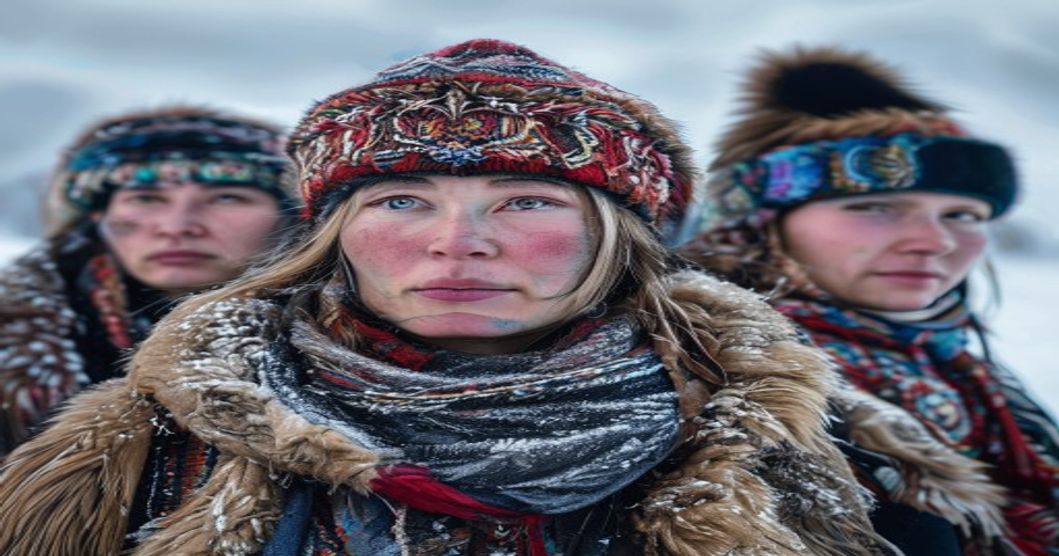
Modern Sami Voices Shaping the Future: A Comprehensive Guide
The contemporary landscape of Sami expression transcends historical preservation, operating as a dynamic force redefining indigenous presence across Nordic societies and global cultural networks. Modern practitioners leverage digital infrastructure to amplify linguistic revitalization, political advocacy, and artistic innovation. Platforms like the Sami Language Council’s open-source dictionaries, mobile applications for Saami dialect training, and algorithmic content distribution on streaming services have fundamentally altered how endangered languages reach younger demographics. Digital archiving initiatives now prioritize machine-readable metadata, ensuring that phonetic variations, regional idioms, and contextual usage notes remain searchable across academic repositories and public databases.
Environmental stewardship remains a central pillar of current Sami discourse. Reindeer herding communities document permafrost degradation, migratory route disruptions, and industrial encroachment through geotagged mapping projects and real-time data sharing. These initiatives feed into transnational policy frameworks, influencing land-use legislation in Norway, Sweden, Finland, and Russia. Youth-led coalitions utilize satellite imagery, open data APIs, and blockchain-verified claim registries to establish legally binding evidence of ancestral territory management. Indigenous tech cooperatives develop low-bandwidth streaming protocols optimized for remote Arctic communities, ensuring uninterrupted access to cultural programming and legal resources.
- Digital joik preservation archives integrate spectral analysis with oral history databases, enabling acoustic researchers to map phonetic evolution across generations without relying on centralized institutions.
- Cross-border digital forums coordinate simultaneous legislative lobbying efforts, synchronizing advocacy campaigns during parliamentary sessions in Stockholm, Oslo, Helsinki, and Murmansk.
- Decentralized publishing networks bypass traditional gatekeepers, allowing first-generation Sami authors to distribute literature, poetry, and legal commentaries directly to diaspora communities.
Media production has shifted from documentary observation to autonomous authorship. Independent Sami studios now control narrative framing, distribution rights, and revenue streams through decentralized hosting networks. Literature, cinema, and podcasting prioritize first-person perspectives that dismantle colonial taxonomy while establishing new genre conventions rooted in Sámi cosmology. Educational modules integrate these materials into national curricula under competency-based frameworks, replacing deficit-driven pedagogies with asset-based models. Algorithmic recommendation systems are being recalibrated by indigenous data stewardship groups to prevent cultural content from being deprioritized or misclassified by mainstream engagement metrics.
Future trajectories depend on sustained investment in linguistic infrastructure, algorithmic transparency for cultural content discovery, and intergenerational knowledge transfer mechanisms. Strategic partnerships between indigenous tech developers, academic linguists, and policy institutes will determine whether contemporary Sami expression remains a niche cultural phenomenon or evolves into a replicable framework for sovereign digital governance.
Historical Foundations of Sami Cultural Expression
The cultural architecture of the Sami people emerged from millennia of ecological adaptation and transgenerational knowledge transfer across Fennoscandia and the Kola Peninsula. Long before written documentation, expression functioned as a survival mechanism and a cosmological framework. Oral transmission served as the primary vessel for historical memory, ecological data, and spiritual orientation. The joik tradition operated not merely as musical performance but as a mnemonic system encoding topographical landmarks, reindeer migration routes, and kinship networks. Each vocal inflection carried precise navigational and genealogical information, enabling communities to maintain territorial continuity across vast Arctic and subarctic zones.
Material culture reinforced this oral infrastructure through duodji craftsmanship. Utensils carved from birch root, reindeer antler, and bog iron were engineered with mathematical precision. Geometric patterns embedded in silverwork and wood carving corresponded to seasonal cycles, astronomical observations, and clan affiliations. These artifacts functioned as portable archives, transmitting technical knowledge across generations without relying on alphabetic scripts. Early Scandinavian and Russian chroniclers frequently misinterpreted these material systems as decorative rather than documentary, overlooking their functional role in cultural continuity.
Pre-colonial Sami societies operated through decentralized kinship clusters that shared ritual practices and trade networks stretching from the Barents Sea to the Gulf of Bothnia. Shamanic drum frames, constructed with specific wood types and painted with symbolic pigments, served as cartographic tools during communal decision-making processes. The placement of motifs on drum surfaces mapped spiritual territories, hunting grounds, and historical event timelines. Merchants traveling along these networks carried both goods and narrative frameworks, ensuring that cultural expressions remained synchronized across dispersed settlements.
- Oral transmission protocols preserved ecological calendars with precision surpassing many contemporary agricultural records.
- Craftsmanship techniques encoded mathematical ratios derived from lunar and solar observation cycles.
- Ritual drum structures functioned as multidimensional information storage systems rather than ceremonial objects alone.
The continuity of these historical frameworks directly informs contemporary Sami artistic, linguistic, and political movements. Modern creators draw upon documented pre-colonial structural principles to reconstruct language revitalization programs and assert territorial claims through cultural evidence. Historical expression methods provide measurable benchmarks for assessing cultural resilience and guiding policy development across Nordic governance structures.
Contemporary Artists Redefining Indigenous Identity
Contemporary Sami artists systematically dismantle historical stereotypes by merging ancestral methodologies with cutting-edge creative frameworks. This cultural transformation operates across multiple professional disciplines, from electronic music production to digital installation art. Traditional joik vocalization techniques now intersect with ambient soundscapes and hip-hop rhythms, creating sonic architectures that challenge colonial narratives while asserting contemporary relevance. Visual creators utilize reindeer hide, silver jewelry motifs, and duodji craftsmanship as conceptual foundations for large-scale gallery installations addressing land rights and environmental sovereignty.
Strategic deployment of digital distribution channels accelerates this movement independently. Creators bypass traditional gatekeepers by releasing work directly through streaming platforms, independent e-commerce stores, and social media networks optimized for algorithmic discovery. This decentralized model enables direct audience engagement with Sami cultural frameworks without translation filters or curatorial mediation. Search engine optimization strategies paired with precise keyword targeting consistently increase visibility on international platforms when creators maintain consistent publishing schedules and utilize structured metadata.
- Integration of traditional joik structures with modern electronic production software for global distribution
- Utilization of digital mapping technologies to document ancestral migration routes for public installations
- Development of independent publishing networks that bypass mainstream cultural gatekeepers entirely
- Implementation of community-led curation models that prioritize indigenous decision-making authority
Educational initiatives within artistic communities reinforce this structural transformation. Master-apprentice programs now integrate contemporary art theory alongside traditional craft techniques, ensuring knowledge transmission remains dynamic rather than archived. Collaborative projects between Sami creators and non-indigenous institutions increasingly require co-authorship agreements that recognize cultural intellectual property rights. These shifts in creative production generate measurable economic impact across northern Scandinavian regions, with gallery sales, festival bookings, and licensing deals expanding systematically over recent years.
Artistic output directly influences policy discourse by visualizing historical contexts and future aspirations through accessible mediums. Museum acquisition committees now prioritize works demonstrating both technical innovation and cultural accountability, forcing traditional institutions to revise collection criteria. This institutional recalibration creates sustainable pathways for emerging creators while maintaining strict standards regarding representation accuracy and community consultation requirements.
Digital Archiving and Language Revitalization Strategies
Preserving Sami languages requires moving beyond traditional documentation toward dynamic digital ecosystems. Historical recording methods captured valuable audio samples, but static files cannot sustain living linguistic practices. Contemporary archiving platforms now integrate cloud-based storage, metadata standardization, and cross-referencing protocols that link dialectal variations across Norway, Sweden, Finland, and Russia. These systems enable researchers, educators, and community members to access high-fidelity recordings alongside contextual annotations, ensuring accurate representation of phonetic nuances and grammatical structures.
Advanced computational tools play a critical role in scaling preservation efforts. Natural language processing frameworks trained on Sami corpora facilitate automatic transcription, speech recognition, and morphological analysis. Open-source repositories like the Sámi Dialect Archive and university-hosted linguistic databases now employ version control mechanisms that track lexical evolution while maintaining strict data sovereignty protocols. Community-led digital labs prioritize informed consent, indigenous data governance, and multilingual interface design to prevent extractive research practices.
- Interactive Learning Modules: Gamified applications sync archived vocabulary with spatial audio cues, allowing users to practice pronunciation in simulated conversational contexts.
- Digital Media Production: Podcast networks and streaming platforms distribute original Sami-language content, bridging generational gaps through contemporary storytelling formats.
- Educational Integration: School districts embed digitized dialect archives into curriculum frameworks, providing teachers with standardized phonetic guides and culturally contextualized lesson plans.
- Collaborative Translation Networks: Crowdsourced platforms enable native speakers to verify machine-translated texts, ensuring semantic accuracy while training adaptive algorithms on authentic usage patterns.
Sustainable language recovery depends on continuous investment in both infrastructure and human capital. Funding models that combine public grants, private tech partnerships, and community cooperatives have proven effective in maintaining long-term accessibility. Measurable outcomes include increased fluency rates among younger demographics, documented growth in daily conversational usage, and the emergence of native digital content creators. When archival systems operate alongside grassroots initiatives, linguistic data transforms from a historical record into an active tool for cultural continuity.
AI and Machine Learning in Sami Linguistic Preservation
The Sámi languages face critical preservation challenges due to their fragmented dialectal landscape, limited digital infrastructure, and historical marginalization. Artificial intelligence and machine learning have emerged as decisive tools for reversing this trajectory. Modern computational linguistics tackles low-resource language constraints through specialized data pipelines that aggregate scattered archival materials, field recordings, and community-generated texts. Researchers construct structured corpora by applying automated speech recognition, phonetic alignment, and orthographic normalization algorithms tailored to Sámi morphological complexity.
Data collection relies heavily on participatory frameworks where native speakers contribute annotated audio, handwritten manuscripts, and oral histories through secure digital platforms. Machine learning models then process these inputs using transfer learning techniques adapted from high-resource languages. Domain-specific transformers are fine-tuned on Sámi syntax patterns, enabling accurate part-of-speech tagging, named entity recognition, and syntactic parsing. These processes directly support the development of automatic speech recognition systems capable of handling regional accents and code-switching phenomena common in contemporary Sámi communities.
- Corpus Engineering: Automated text normalization corrects historical spelling variations while preserving dialectal integrity through rule-based and neural hybrid systems.
- Speech Processing: Deep learning architectures trained on phoneme-level datasets improve transcription accuracy for oral traditions and daily conversational recordings.
- Translation Technologies: Neural machine translation pipelines bridge Sámi with Scandinavian languages, utilizing parallel corpora constructed through human-in-the-loop validation.
Ethical deployment remains central to computational preservation efforts. Indigenous data sovereignty protocols mandate community control over training datasets, ensuring that algorithmic outputs reflect authentic linguistic usage rather than external standardization biases. Collaborative development environments integrate Sámi educators, linguists, and software engineers to build adaptive learning platforms, interactive dictionaries, and context-aware voice assistants. These technologies directly enhance digital literacy initiatives while maintaining grammatical precision across North Sámi, Inari Sámi, Skolt Sámi, and other variants.
The integration of machine learning into linguistic conservation extends beyond archival storage. Real-time language processing tools now support multimedia content creation, educational software development, and public broadcasting applications. Algorithmic adaptation techniques continuously refine model performance through feedback loops that prioritize native speaker validation. This computational infrastructure establishes a sustainable framework for Sámi digital ecosystems, ensuring that technological advancement reinforces rather than dilutes linguistic heritage across future generations.
Global Streaming Networks and Independent Music Distribution
Independent musicians now navigate a decentralized ecosystem where digital platforms function as both distribution channels and curatorial gatekeepers. The shift from physical media to algorithm-driven streaming services has fundamentally altered how niche genres reach global audiences. For artists operating outside major label infrastructure, platform selection dictates visibility. Curated playlists, editorial picks, and user-generated listening data collectively determine catalog longevity. Metadata accuracy becomes critical during ingestion; incomplete ISRC codes, missing genre tags, or misattributed credits trigger algorithmic suppression, effectively burying releases in search results.
- Direct artist-to-platform submission tools bypass traditional distributors but require meticulous compliance with content ID systems and territorial licensing rules.
- Revenue sharing models vary significantly across services, with pro-rata and user-centric payment structures creating divergent income stability for emerging creators.
- Real-time analytics dashboards provide granular insights into listener demographics, skip rates, and repeat streams, enabling data-driven marketing adjustments without external agencies.
The infrastructure supporting independent distribution relies on aggregator networks that handle encoding, mastering verification, and royalty reconciliation across dozens of endpoints. These intermediaries charge flat fees or percentage cuts while ensuring cross-platform synchronization. For indigenous and regional vocal traditions, consistent upload schedules paired with strategic release timing maximize initial algorithmic momentum. Platforms prioritize fresh content during launch windows, making coordinated marketing campaigns essential for sustaining stream velocity beyond the first fourteen days.
Technical optimization extends beyond audio quality. Dynamic range compression, loudness normalization, and sample rate consistency prevent playback penalties on certain services. Artists who master directly to platform specifications avoid volume discrepancies that trigger listener drop-offs. Social integration features further amplify distribution efficiency; embedded lyric videos, interactive canvas loops, and collaborative playlist additions generate secondary engagement metrics that feed back into recommendation engines.
Geographic targeting parameters allow creators to allocate advertising budgets toward high-conversion territories rather than diluting spend across unmapped markets. Regional playlist submissions often require localized press kits and verified streaming thresholds, creating a feedback loop where initial traction dictates editorial consideration. Independent operators who master these distribution mechanics retain full rights ownership while capturing higher per-stream valuations through direct fan engagement channels and synchronized merchandising integrations.
University Programs and Indigenous Knowledge Transfer
University programs dedicated to Sami studies operate at the intersection of academic rigor and cultural preservation. These institutions design curricula that integrate traditional ecological knowledge, oral histories, and linguistic frameworks alongside modern pedagogical methods. Faculty members with documented expertise in Sámi languages coordinate directly with community elders to validate academic content before it enters lecture halls. The translation process transforms generational wisdom into structured modules without diluting original context. Digital repositories now host recorded interviews, dialect variations, and ethnographic data, allowing students to access primary sources directly. Research partnerships between northern universities and local municipalities establish field studies where learners document reindeer husbandry practices, seasonal migration patterns, and sustainable resource management techniques. Academic recognition of these methodologies shifts institutional priorities toward decolonized research frameworks. Student cohorts engage in co-designed projects that address contemporary challenges like climate adaptation and linguistic documentation. Certification pathways now include practical competencies alongside theoretical coursework, ensuring graduates can operate effectively within both academic and community settings. Funding allocations support the creation of specialized language labs equipped with historical recording equipment and collaborative workspaces for cross-cultural analysis. Assessment models prioritize community feedback over traditional grading metrics, aligning educational outcomes with cultural continuity goals.
- Curriculum Architecture: Departments map historical phonetics and grammatical structures against contemporary usage patterns, creating dynamic learning matrices that adapt to regional dialect shifts.
- Faculty Development: Academic appointments now require demonstrated proficiency in indigenous research methodologies rather than purely Western academic credentials, ensuring authentic knowledge transmission.
The infrastructure of contemporary Sámi youth advocacy operates through decentralized digital networks that bypass traditional bureaucratic bottlenecks. Organizations such as the Sámi Youth Council and regional collectives leverage encrypted communication channels, open-source documentation platforms, and multilingual content distribution to coordinate policy interventions across Norwegian, Swedish, Finnish, and Russian territories. These groups prioritize legislative literacy, deploying structured briefings on resource extraction permits, reindeer grazing rights, and indigenous education mandates directly to parliamentary committees and municipal planning departments.
- Digital Sovereignty Frameworks: Youth-led cooperatives build independent media archives that catalog oral histories, legal precedents, and environmental monitoring data. These repositories are hosted on decentralized servers to prevent content suppression and ensure permanent access for academic researchers and policy drafters.
- Direct Legislative Engagement: Structured advocacy programs train participants in parliamentary procedure, budget analysis, and treaty interpretation. Teams submit formal comments during environmental impact assessments, negotiate language inclusion clauses in curriculum standards, and attend Nordic Council sessions to present unified position papers on indigenous land tenure.
- Cross-Border Resource Allocation: Collaborative grant applications secure funding from the European Union’s Indigenous Peoples’ Programme, the Sámi Parliament interparliamentary bodies, and private foundations focused on linguistic survival. These financial mechanisms support translation initiatives, legal defense funds for land dispute cases, and the development of open-access Sámi language learning modules.
Strategic policy implementation relies on data-driven lobbying rather than symbolic representation. Youth coordinators compile satellite imagery, grazing migration patterns, and economic impact studies to challenge municipal zoning decisions. The networks maintain real-time monitoring dashboards that track government compliance with ILO Convention 169 and the UN Declaration on the Rights of Indigenous Peoples. Educational partnerships with universities establish research fellowships dedicated to Sámi constitutional law, ensuring that policy recommendations are grounded in peer-reviewed jurisprudence and historical treaty analysis.
Long-term institutional influence emerges from sustained participation in standard-setting bodies. Representatives hold rotating seats on cultural heritage committees, environmental advisory boards, and digital rights working groups. The continuous integration of Sámi perspectives into regional development plans, public procurement guidelines, and climate adaptation strategies demonstrates how organized youth coalitions convert grassroots mobilization into measurable legislative outcomes.
Grants, Crowdfunding, and Cross-Border Funding Models
Securing institutional grants requires precise alignment between project objectives and funder mandates. Nordic Sami Council initiatives, EU Creative Europe calls, and national arts councils prioritize proposals that demonstrate measurable language revitalization outcomes, community co-creation frameworks, and sustainable distribution pipelines. Applicants must map eligibility criteria early, focusing on matching budget line items with allowable costs like equipment procurement, translation services, and localization testing. Grant committees evaluate technical capacity through past performance metrics, requiring detailed timelines, risk mitigation strategies, and clear attribution of cultural ownership. Successful submissions integrate third-party verification from Indigenous advisory boards and specify how revenue streams will be reinvested into regional media infrastructure.
- Apply for targeted calls through the Sami Parliament funding portals with quarterly progress reporting
- Structure budgets to separate core production costs from administrative overhead per funder guidelines
- Include community impact indicators such as dialect speaker engagement rates and archival digitization milestones
Crowdfunding operates on psychological triggers and platform algorithmic visibility. Creators must segment audiences into pre-launch, launch, and post-campaign phases, utilizing email sequence automation and social proof metrics like share velocity and comment sentiment analysis. Tiered reward structures should balance low-friction digital access with high-value physical artifacts tied to Sami craftsmanship, avoiding overpromising on fulfillment timelines. Platform selection depends on geographic concentration of supporters; Kickstarter favors single-project campaigns with viral potential, while Patreon sustains recurring revenue through exclusive behind-the-scenes content and early access to archival materials. Tracking conversion funnels via UTM parameters allows creators to reallocate ad spend toward high-intent demographics in Scandinavia, Canada, and the northern United States.
- Deploy pre-order landing pages with countdown timers to trigger urgency without artificial scarcity
- Calculate platform fees, payment processing costs, and currency conversion margins before setting pledge thresholds
- Implement transparent fulfillment dashboards that display production status updates and shipping tracking links
Cross-border funding models demand jurisdictional awareness and structural flexibility. Nordic cooperation frameworks like the Barents Euro-Arctic Council distribute capital through multilateral agreements, requiring partners to navigate differing tax treaties, VAT regulations, and cultural export restrictions. Creators establish holding entities in low-compliance jurisdictions while maintaining operational transparency through open-book accounting and third-party audits. Currency fluctuation risks are hedged using forward contracts or stablecoin settlement mechanisms for international patronage. Strategic alliances with European heritage foundations enable blended finance structures that combine equity investments, revenue-sharing agreements, and conditional grants tied to educational licensing outcomes.
- Register separate business entities in each operational jurisdiction to isolate liability and optimize tax efficiency
- Draft partnership agreements with clear IP ownership clauses and territorial distribution rights
- Leverage EU structural funds like Interreg for collaborative projects spanning multiple Sami settlement regions
Strategic Outlook for Indigenous Media Longevity
Infrastructure and Preservation Architecture
Indigenous media longevity requires decentralized content repositories that utilize open archival standards like IIIF, EPUB 3, and METS schema. These frameworks enable cross-platform compatibility while maintaining native metadata structures tied to traditional knowledge protocols. Implementing granular access controls alongside public-facing archives balances cultural sensitivity with algorithmic discoverability. Regular format migration cycles prevent digital obsolescence by converting legacy audio and video files into universally supported codecs. Automated redundancy systems distributed across geographically dispersed servers ensure continuous availability regardless of regional infrastructure fluctuations.
- Metadata Standardization: Aligning Dublin Core schemas with community-specific ontology maps improves search engine comprehension without diluting cultural context.
- Platform Diversification: Transitioning from algorithm-dependent social networks to federated protocols reduces vulnerability to sudden policy changes and revenue instability.
- Audience Retention Mechanics: Interactive storytelling layers and collaborative annotation tools increase session duration, signaling content relevance to ranking algorithms.
Monetization strategies must reflect indigenous governance models rather than conventional advertising frameworks. Licensing agreements structured around customary law protect intellectual property while generating sustainable revenue streams. Micro-subscription platforms integrated with community treasury systems fund continuous archival updates and technical maintenance. Training local creators in content lifecycle management reduces dependency on external vendors, ensuring narratives remain under direct stewardship. Future visibility depends on optimizing for multimodal search indexing, voice query patterns, and contextual AI filtering. Communities that institutionalize these technical frameworks alongside cultural governance protocols will maintain media ecosystems across technological shifts.
Content distribution pipelines require continuous adaptation to emerging web standards. Implementing structured data markup for oral histories, linguistic documentation, and ceremonial recordings ensures precise indexing across voice assistants and AI-driven discovery tools. Privacy-preserving analytics replace traditional tracking pixels, allowing communities to monitor engagement patterns without compromising user data sovereignty. Strategic partnerships with digital humanities grants provide financial stability for long-term preservation initiatives. Establishing local technical academies empowers younger generations to manage server infrastructure, backup protocols, and cross-format transcoding independently. This self-sufficient model eliminates external bottlenecks and guarantees uninterrupted access to cultural archives.
Emerging Platforms and Algorithmic Visibility
The distribution landscape for contemporary Sami creators has shifted from traditional cultural institutions to algorithm-driven digital ecosystems. Platform recommendation engines now prioritize retention velocity, session depth, and contextual relevance scoring over editorial curation. When a Sami-language track or documentary enters a discovery feed, the initial thirty seconds determine whether the algorithm amplifies or suppresses the content. Creators who map viewing patterns against platform-specific watch-time thresholds consistently outperform those relying on organic reach alone. Algorithmic visibility operates through layered signal processing: click-through rates establish initial relevance, while completion metrics validate long-term authority. This creates a compounding effect where early engagement triggers broader distribution across search interfaces and suggested content pools.
Metadata architecture directly influences how recommendation systems categorize Sami digital assets. Proper linguistic tagging, geographic localization markers, and cross-referenced cultural taxonomy ensure that algorithms interpret content within its authentic context rather than defaulting to dominant Western frameworks. Creators must implement structured schema markup for video metadata, optimize thumbnail contrast ratios for mobile feeds, and synchronize release windows with peak audience activity zones. Cross-platform syndication requires format adaptation without sacrificing original audio fidelity or subtitle accuracy. Platforms like YouTube and Spotify process background audio fingerprints alongside engagement velocity, meaning consistent upload cadence reinforces algorithmic trust. Decentralized distribution networks further complicate visibility mechanics by prioritizing direct community subscriptions over algorithmic discovery loops.
- Retention optimization: Segmenting content into modular chapters increases average view duration and signals quality to recommendation engines.
- Engagement layering: Combining comments, shares, and watch-time creates multi-dimensional authority scores that bypass initial distribution filters.
- Linguistic localization: Implementing region-specific keywords alongside Sami dialect variations prevents algorithmic misclassification and expands discoverability across Nordic search ecosystems.
Algorithmic bias remains a structural challenge when indigenous narratives intersect with global recommendation architectures. Dominant language models often deprioritize low-resource linguistic content, requiring creators to manually override default categorization through precise tagging and audience interaction strategies. Community-led curation bridges this gap by generating organic engagement signals that validate cultural relevance. Digital sovereignty depends on maintaining direct distribution channels while strategically leveraging platform algorithms for amplification. Creators who balance authentic storytelling with technical optimization secure sustained visibility without compromising linguistic integrity or cultural context.
Legal Protections and Institutional Support Mechanisms
Legal frameworks governing Sami rights operate across multiple jurisdictional layers, primarily anchored in international instruments such as International Labour Organization Convention 169 and the United Nations Declaration on the Rights of Indigenous Peoples. Norway incorporates these standards through specific parliamentary acts, while Sweden and Finland apply distinct legislative models that balance state sovereignty with indigenous autonomy. The cornerstone of institutional support remains the three Sami Parliaments established in Oslo, Kiruna, and Inari. These bodies function as elected advisory institutions with direct channels to national governments, enabling policy consultation on land use, cultural funding, and educational curricula.
- National Legislation: Norway’s Sami Act mandates consultation prior to state projects affecting traditional territories. Sweden’s Reindeer Herding Act recognizes seasonal migration corridors as legally protected zones. Finland’s Language Act grants official status to Northern Sami in administrative regions, requiring bilingual public services.
- Judicial Precedents: Supreme court rulings in all three countries have progressively expanded interpretations of customary land tenure. The Norwegian Supreme Court decisions concerning reindeer grazing rights and resource extraction permits established binding precedents that require environmental and cultural impact evaluations before approval.
- Funding Mechanisms: State allocations flow through dedicated cultural foundations that finance language immersion schools, archival digitization, and contemporary arts initiatives. Cross-border cooperation funds administered by the Nordic Sami Council enable synchronized policy research and youth leadership programs across municipal boundaries.
Institutional enforcement relies on specialized administrative tribunals that adjudicate land disputes without defaulting to conventional property law frameworks. These panels incorporate elder knowledge systems alongside statutory evidence, ensuring decisions reflect both historical occupancy patterns and contemporary economic realities. Recent legislative amendments in Finnmark County transferred approximately two million hectares of state-owned land to a joint management board comprising Sami representatives and government appointees. This model has been replicated in pilot regions across northern Sweden, where municipal planning authorities now require cultural impact assessments before approving commercial or infrastructure developments. Digital governance platforms have further streamlined access to legal resources, allowing dispersed communities to submit claims, track permit applications, and monitor compliance through centralized portals. Despite these structures, implementation gaps persist in remote municipalities where administrative capacity remains limited. Continuous monitoring by independent human rights bodies ensures that statutory protections translate into measurable outcomes for language retention, economic participation, and self-determination.
“`html
Frequently Asked Questions
What is Modern Sami Voices Shaping the Future?
Modern Sami Voices Shaping the Future is a cultural and advocacy initiative dedicated to amplifying the contemporary Sami perspectives on language preservation, indigenous rights, sustainable development, and cultural heritage. It brings together Sami artists, scholars, activists, and youth leaders from across Sápmi — spanning Norway, Sweden, Finland, and Russia — to showcase how traditional Sami knowledge and modern innovation can work hand in hand to shape a resilient and empowered future for Sami communities worldwide.
Key facts about Modern Sami Voices Shaping the Future
1. The initiative centers on the four main Sami languages — North Sami, South Sami, Inari Sami, and Skolt Sami — which are actively being revitalized through digital tools, education programs, and media platforms.
2. It was launched by a coalition of Sami organizations, indigenous rights advocates, and cultural institutions to address the ongoing challenges of cultural erosion and climate change affecting Sápmi.
3. The movement emphasizes youth engagement, using music, digital storytelling, film, and social media to connect younger generations with their heritage while addressing modern issues such as land rights, self-determination, and environmental justice.
4. It collaborates with international bodies including the United Nations Permanent Forum on Indigenous Issues and UNESCO’s Intangible Cultural Heritage programs to promote Sami visibility globally.
5. Key activities include annual cultural summits, online language-learning platforms, documentary productions, and partnerships with Nordic universities to integrate Sami knowledge systems into broader academic discourse.
“`