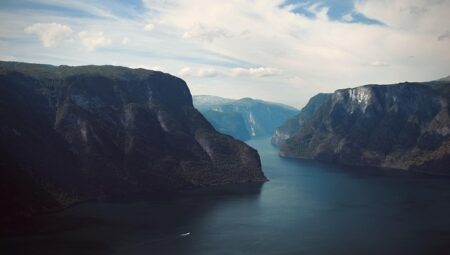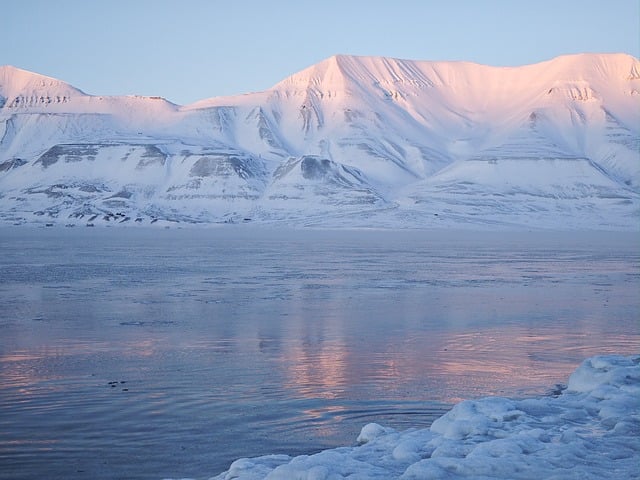
Picture the vast, untouched wilderness of the Arctic as a sacred tapestry, woven with the rich colors of the aurora borealis and the soft hues of the midnight sun. Every mountain, river, and forest holds a story, a memory that connects the Sami to their ancestors. Imagine standing by a glittering lake that shimmers like a diamond under the sun. To the Sami, it’s not just a body of water; it’s a sacred site, often associated with their deities and spirits.
Think about the reindeer that roam these landscapes, not simply as livestock but as symbols of life and sustenance. They are integral to Sami identity, echoing the rhythms of their ancestral land. The Sami call upon these sacred spaces to celebrate life, from seasonal festivals to rites of passage. Have you ever felt a connection to a place so profound that it literally takes your breath away? This is the magic of Sami landscapes, where every stone, tree, and animal is revered.
Mystical Mountains: How Sami Culture Reveres Sacred Natural Landscapes
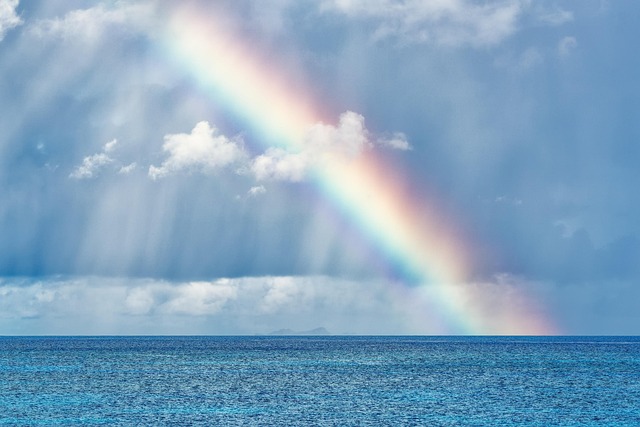
In Sami culture, nature isn’t just scenery; it’s the living essence of their identity. Mountains like the majestic Suorva represent more than rock and ice; they are revered as guardians and ancestors. Each peak tells a tale, embedding life lessons and spiritual significance. It’s like every curve and ridge is a chapter in a grand storybook, waiting for someone to listen. The Sami view these landscapes as a realm where the earthly meets the divine, a sacred bridge connecting them to their ancestors and the spirits that guide them.
Ever heard of a ‘sacred grove’? The Sami have their version too—think vast, untouched expanses where the mountains become their own deities. When they hold rituals or gatherings, these highlands transform into a sanctuary, a place where they can commune with nature. During the magical season of summer, when the midnight sun casts a golden glow, rituals resonate louder, reverberating through the very stones that shaped their lives.
From Tundra to Taiga: The Spiritual Significance of Sami Natural Spaces
The tundra, with its expansive vistas and minimal vegetation, symbolizes resilience. It teaches the Sami to respect the fragile balance of nature. This earth, though seemingly barren, bursts with life and history, reminding us of the strength found in simplicity. Have you ever felt that powerful connection to a place that makes your heart race and your spirit soar? For the Sami, the tundra embodies that very essence, nurturing their respect for the natural world.
As you venture into the taiga, with its lush forests and vibrant wildlife, the atmosphere shifts dramatically. This verdant paradise is alive with energy, creativity, and abundance. Think of it as the world’s artistic palette, where every tree, river, and creature paints a picture of harmony. The Sami view the taiga as a sacred sanctuary, a place where spirits dwell and stories are born. The towering pine trees stand as guardians, watching over their people while providing resources that sustain their livelihoods.
Navigating this transition, from the sweeping tundra to the sheltering taiga, mirrors the Sami’s own journey through life. It’s a reminder that every challenge brings growth and every stage of life holds its own beauty. In this sacred landscape, the natural world becomes a spiritual companion, guiding them through the complexities of existence. Can you feel the pulse of the land, echoing the heartbeat of the Sami?
Whispers of the Wilderness: Unveiling the Sacred Sites of Sami Heritage
Imagine wandering through an enchanting forest, where the air buzzes with ancient stories and the trees seem to whisper secrets. Welcome to the sacred sites of Sami heritage, where every corner holds echoes of a culture that’s as resilient as the northern winds. The Sami people, the indigenous inhabitants of the Arctic regions, have a rich tapestry of traditions woven into the very fabric of their land. These sites are not just locations; they’re living narratives that breathe life into their history.
Have you ever felt drawn to a place that seems to resonate with your spirit? That’s the kind of magic you encounter at traditional Sami sites. From the stunning landscapes of Norway to the frozen expanses of Sweden and Finland, each location tells a tale of profound connection to nature. The sacred mountains, rivers, and forests are like characters in a narrative—each with its unique personality and purpose. Take the Sárgŋu mountain, known to locals as a sacred place for rituals; it’s a reminder that the Sami view their environment not as something to conquer, but as a partner in life’s journey.
Visiting these sites can feel like stepping back in time. You might find yourself intrigued by the traditional lavvu (a tent-like structure) where songs and stories come alive during gatherings. It’s easy to lose track of time as you hear the haunting melodies of joik, a traditional Sami song, floating on the chilly breeze, transporting you deeper into their world.
Isn’t it fascinating how culture can be so intimately tied to the land? The sacred sites are living testaments to a way of life that celebrates community, spirituality, and an unwavering respect for nature. Each visit becomes a personal pilgrimage, a chance to connect with the whispers of the wilderness and the stories that linger long after you’ve left.
Nature as a Sacred Space: The Role of Landscapes in Sami Spirituality
Think of nature as a sacred book, where every river and rock has a chapter to share. In Sami spirituality, the connection to the land isn’t just important; it’s essential. It’s like nurturing a lifelong friendship; they honor their surroundings as kin, recognizing that the mountains, lakes, and forests are alive, filled with spirits, or “beings,” that deserve respect. When they traverse these majestic landscapes, it’s more than just a hike—it’s a spiritual pilgrimage.
Ever feel utterly moved while standing before a vast wilderness? That’s exactly how the Sami experience their land. They see their environment as a living entity that teaches them wisdom through its changing seasons. The reindeer, for instance, embody not only sustenance but also a sacred relationship with the earth that sustains them. This bond underscores the importance of balance, reminding us that we’re all part of one grand ecosystem.
Furthermore, important rituals often take place in specific locations that enhance their spiritual significance. A mountain may be viewed as a deity, or a river as a source of life, leading Sami to find solace and strength in these spaces. Just as a cozy café can feel like a second home, these landscapes provide a sanctuary for the Sami spirit. So, next time you’re out exploring nature, take a moment to reflect—what stories might the land you tread upon be waiting to share?
Frequently Asked Questions
How Do Sami People Connect with Sacred Sites?
The Sami people connect with sacred sites through deep cultural and spiritual practices that honor their ancestral traditions. These sites are often linked to nature, serving as places of worship, reflection, and community gathering. Connection is nurtured through rituals, storytelling, and the transmission of knowledge about the land, emphasizing the importance of respect and preservation of these sacred locations.
What Are Sacred Natural Landscapes in Sami Culture?
Sacred natural landscapes in Sami culture refer to specific geographical areas that hold spiritual significance for the Sami people. These sites often include mountains, rivers, and forests that are intertwined with their traditional beliefs, rituals, and practices. They serve as places for spiritual connection, cultural identity, and ancestral heritage, emphasizing the deep relationship between the Sami and their natural environment.
What Traditions Are Associated with Sami Sacred Landscapes?
Sami sacred landscapes are intertwined with various traditions that emphasize a harmonious relationship with nature. These landscapes serve as sites for rituals, storytelling, and cultural practices that reflect the spiritual beliefs of the Sami people. Important traditions include reindeer herding, seasonal celebrations, and offerings made to spirits to ensure balance and respect for the environment. The connection to these landscapes is central to Sami identity, passing knowledge and customs through generations.
How Are Sacred Natural Landscapes Protected in Sami Culture?
In Sami culture, the protection of sacred natural landscapes involves a deep respect for the land, which is integral to their identity and traditions. This is achieved through sustainable practices that ensure the preservation of these sites, alongside shared community efforts to safeguard them from environmental threats and modern development. The Sami advocate for their rights to maintain their connection to these landscapes, which hold spiritual significance, and engage in dialogue with authorities to ensure their protection.
What Role Do Sacred Landscapes Play in Sami Spirituality?
Sacred landscapes in Sami spirituality serve as vital connections to their cultural identity and ancestral heritage. These geographic features, such as mountains, rivers, and forests, are believed to be imbued with spiritual significance, facilitating communication with the divine and honoring the spirits of nature. They guide rituals, traditions, and practices, reinforcing the Sami’s respect for the environment and their commitment to preserving it for future generations.