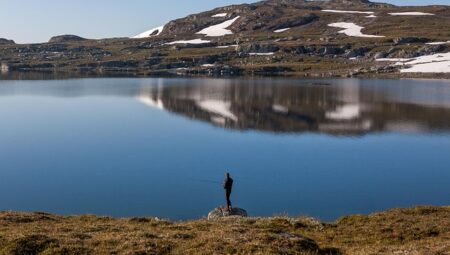
Firstly, climate change is a game-changer. Just like a disruptive guest at a party, it throws everything out of whack. Warmer temperatures lead to melting snow and a frantic shortage of the lichen that reindeer love to munch on. Herders find themselves scrambling, trying to adjust their routes and habits to keep their herds fed. It’s like trying to dance salsa on a bumpy road – not easy at all!
But that’s not all. With the encroachment of mining and industrial development, herding grounds are shrinking faster than your favorite t-shirt after a hot wash. These activities disrupt migration patterns and threaten the natural ecosystem, leaving herders grasping for solutions.

Then, let’s not forget about technology. While it offers tools like GPS and satellite tracking that can be super helpful, it can also create a dependency that wasn’t there before. Some may argue it simplifies the process, but what happens when the Wi-Fi signal drops in the middle of nowhere? Not cool, right?
And lastly, there’s the cultural shift. The younger generation might not see reindeer herding as their calling anymore, eyeing city lights instead of snowy tundras. It’s like trying to keep a traditional recipe alive when everyone seems to prefer fast food.
So, as you can see, modern reindeer herding is anything but a walk in the park. It’s a complex dance of tradition meeting the tumult of the modern world, pushing herders to adapt, innovate, and fight for their way of life.
Frosty Futures: The Impact of Climate Change on Reindeer Herding Practices
As temperatures rise, the delicate balance that sustains these herding practices is crumbling. The once-reliable snow cover, crucial for reindeer grazing and movement, is becoming increasingly unpredictable. Picture a reindeer trying to find its way through a landscape that used to be a frosty wonderland but is now slick with ice or barren of snow altogether. It’s like trying to navigate a maze that keeps changing!
Moreover, shifting weather patterns are affecting the plants that reindeer depend on for sustenance. With the ground thawing earlier and tending toward patchy growth, the pastures that once flourished with nourishment are dwindling. Herders are forced to adapt quickly—their lifestyle is like a high-stakes chess game, where every move counts and resources are becoming scarcer.
Not to mention, the livelihoods of indigenous peoples who have relied on reindeer herding for generations are at risk. It’s not just about economic survival; it’s about maintaining a culture intertwined with the land and seasons. This crisis isn’t merely an environmental issue; it’s a social one, pulling at the very fabric of communities that have thrived through generations.
Reindeer herding amidst climate change is a vivid reminder of how interconnected we all are with our planet. As we face these frosty futures, the call for awareness and action becomes louder. After all, if one life thread unravels, how long until the whole tapestry follows suit?
Cultural Shifts: How Urbanization Threatens Traditional Reindeer Herding Communities
Urbanization is like an unstoppable train, relentlessly rolling toward these communities, bringing along challenges that can feel overwhelming. As cities expand, land traditionally used for herding is swallowed up, pushing families into smaller spaces. The essence of reindeer herding isn’t just about the animals; it’s about a lifestyle steeped in rich traditions, passed down through storytelling and the deep bonds formed with the land. Can you feel the tug of nostalgia?
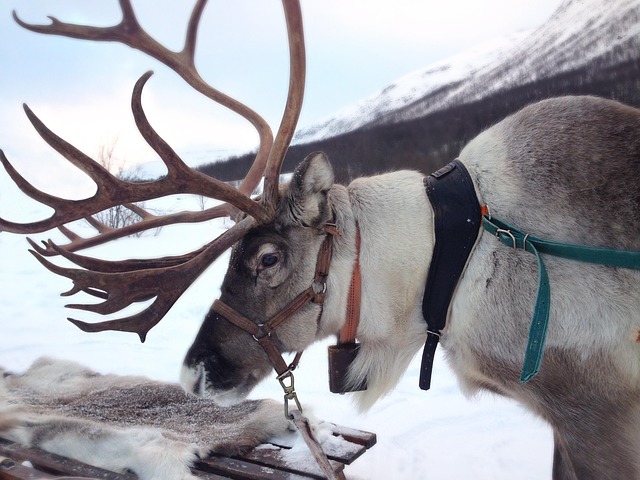
With roads and railways cutting through once-peaceful terrains, the reindeers’ migratory paths are disrupted. Suddenly, these gentle creatures are thrust into the chaos of urban life. It’s like trying to teach a fish to walk on land; their natural instincts clash with new obstacles, forcing herders to adapt in ways that can feel unnatural. How do you preserve a way of life when the world around you is shifting faster than the seasons?
Moreover, as young people flock to cities seeking modern opportunities, a brain drain occurs. The rich knowledge of reindeer herding begins to fade, like a cherished memory that’s gradually losing its clarity. It’s a heartbreaking irony—what once felt like a thriving tradition is now at risk of becoming a relic.
Urbanization doesn’t just alter landscapes; it reshapes identities, threatening to erase the cultural tapestry woven over centuries. This isn’t just about reindeer; it’s about the survival of a unique way of life clashing with relentless progress.
Navigating the New Normal: Reindeer Herders Confront Modern Economic Pressures
Let’s dive into the heart of their world. Picture a landscape where reindeer roam freely under wide, open skies, embodying a lifestyle passed down through generations. But wait! The dream isn’t untouched. The herders face the fierce winds of change, like harsh storms battering their once-stable ground. As traditional grazing spots shrink due to climate shifts and land development, these herders are left clutching at fading traditions, each day feeling the pinch of economic strains.
Day by day, they’re finding themselves caught between maintaining their heritage and adapting to the demands of the modern market. Think of it as juggling two very heavy balls: one representing deep-rooted customs and the other symbolizing financial stability. How do you keep both afloat without dropping one? It’s a high-wire act that requires not just courage but creativity.
The Digital Divide: Technology’s Role in the Evolution of Reindeer Herding
Forget the image of a solitary figure battling the harsh Arctic conditions. Today, reindeer herders are leveraging everything from satellite tracking to mobile apps. Can you picture a herder checking on their reindeer using a smartphone, knowing exactly where each animal is grazing? It’s like watching a live sports game on your device; you’re always in the loop! The integration of technology has made it possible to monitor animal health and movements in real-time, allowing for smarter and swifter decisions.
But hold on a second—technology isn’t equally accessible to everyone. This is where the digital divide comes into play. While some herders are embracing these advancements and becoming more efficient than ever, others are left grappling with connectivity issues and lack of resources. It’s a bit like having a map to a treasure but not everyone having the means to read it. Isn’t it fascinating how something as simple as internet access can influence the age-old practice of reindeer herding?
Beyond Borders: The Geopolitical Struggles Facing Indigenous Reindeer Herding
You see, reindeer herding isn’t just about survival; it’s a rich tapestry of history, spirituality, and identity. Yet, these age-old practices are increasingly threatened by political boundaries and corporate interests. Have you ever thought about how borders can divide not only land but also cultures? That’s exactly what’s happening. Indigenous herders often find their migratory routes disrupted by national claims and resource exploitation.
It’s like trying to navigate a river that has been dammed; the flow of life is choked off, leaving communities struggling to adapt to drastic changes. Climate change adds another punch to the gut. Warming temperatures are transforming habitats, forcing reindeer to shift their patterns. Indigenous peoples, who have thrived for centuries in harmony with their surroundings, are now fighting back to reclaim their rights and ecological knowledge.

Consider the international negotiations where the voices of these reindeer herders often echo unheard. Their wisdom—rooted in centuries of stewardship—is overshadowed by industrial agendas. Imagine if you were told that your home was no longer yours, and a corporate entity decided what’s best for your land. This struggle is not just about reindeer; it’s about cultural survival, respect for tradition, and the need for a balanced coexistence in a rapidly changing world.
In this ever-complex landscape, Indigenous peoples stand at the forefront, demanding recognition, respect, and the right to preserve their way of life—testaments to resilience in a world that often overlooks their invaluable contributions.
From Snow to Sustainability: The Environmental Challenges of Modern Herding
You might wonder, how does snow turning into mud impact these age-old practices? Well, think of it like this: just as you wouldn’t want to run a marathon in flip-flops, livestock can’t thrive in their environmental flip-flop. When frozen ground transforms into mush, that means less grazing land, diminished resources, and so many headaches for herders trying to keep their flocks healthy. Increased rainfall can wash away essential nutrients in the soil, turning vibrant pastures into barren patches.
And then there’s the whole issue of biodiversity. With snow-covered valleys shrinking, many species find themselves squeezed out of their habitats. It’s like a game of musical chairs, but not everyone gets a seat when the music stops. For herders, the loss of animal species means less diversity in their herds, leading to weaker genetic pools and challenging times ahead.
But wait, there’s more! With the rising temperatures, diseases that once lay dormant in the cold are rearing their ugly heads. Imagine getting a cold in summer — yikes! Herders now face the challenge of protecting their animals from diseases that could decimate entire flocks, and that’s no small feat.
Frequently Asked Questions
What are the main challenges facing reindeer herders today?
Reindeer herders today face several key challenges, including climate change, which alters grazing patterns and habitats, and industrial development that encroaches on traditional lands. Additionally, competition with other land uses, such as agriculture and tourism, further strains resources. Social issues, including depopulation of rural areas and loss of traditional knowledge, also impact the viability of herding practices.
What cultural challenges do reindeer herders encounter in contemporary society?
Reindeer herders face various cultural challenges in modern society, including the loss of traditional practices due to globalization, encroachment of industrial activities on grazing lands, and pressures from climate change. These factors can disrupt their way of life and threaten their cultural identity, as younger generations may move to urban areas for better opportunities, leading to a decline in traditional knowledge and community cohesion.
What economic factors affect modern reindeer herding?
Modern reindeer herding is influenced by various economic factors including climate change, market demand for reindeer products, government policies, and land use competition. Changes in weather patterns can impact grazing lands, while fluctuations in prices for meat and antlers affect profitability. Additionally, regulations and support from governments can provide resources or impose restrictions that shape herding practices.
How do technological advancements influence reindeer herding?
Technological advancements have significantly enhanced reindeer herding practices. Innovations such as GPS tracking, drones, and mobile applications improve herd management, allowing herders to monitor movement, locate animals more efficiently, and gather data for better decision-making. These tools help in pasture management, mitigate risks from weather changes, and facilitate communication, ultimately leading to more sustainable herding practices.
How has climate change impacted reindeer herding practices?
Climate change has significantly affected reindeer herding practices by altering migration patterns, reducing available grazing lands, and increasing the frequency of extreme weather events. Warmer temperatures can lead to earlier snowmelt and changes in vegetation, impacting the reindeer’s food sources. Additionally, ice crust formation makes it difficult for reindeer to access grazing areas beneath the snow. Herding communities are adapting by changing migration routes and exploring alternative grazing strategies to cope with these environmental shifts.