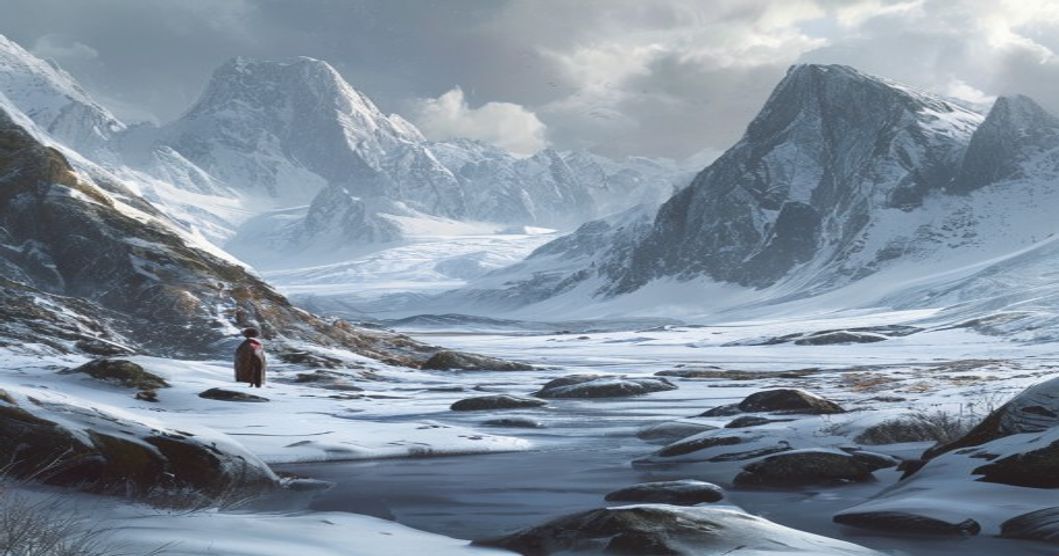
The Foundations of Sámi Cosmology and Worldview
Sámi mythology operates within a meticulously structured cosmological framework that divides existence into three interconnected realms. This triple-world model reflects an ancient Arctic worldview where the physical landscape, celestial bodies, and subterranean forces function as a single living system. Sámi cosmology does not separate humanity from nature; instead, it positions people as active participants within a network of reciprocal relationships governed by sacred laws and seasonal cycles. The Middle Realm serves as the human domain, bridging the Upper Realm of divine entities and the Lower Realm dominated by underworld spirits and ancestral forces. Every mountain, river, and forest clearing holds spiritual significance, forming the bedrock of Ancient Arctic legends that emphasize balance, respect, and cyclical renewal over linear progress.
The Upper Realm: Deities of Light and Sky
The celestial domain houses powerful figures who govern weather, fertility, and cosmic order. Bieggolmmái, the master wind, controls storms and shapes the harsh Arctic climate, while Beaivi (the Sun) and Mánnu (the Moon) function as sibling deities whose celestial dance dictates agricultural and reindeer-herding calendars. At the apex stands Raeddie-Åaknå, the supreme sky father, who oversees moral equilibrium but rarely intervenes directly in mortal affairs. Sacred songs known as joik historically served as sonic bridges to these celestial beings, allowing practitioners to align human activity with cosmic rhythms.
The Middle Realm: Human Domain and Sacred Nature
Mortals inhabit a landscape saturated with visible and invisible presences. Sieidi stones, ancient rock formations, and specific trees function as altars where offerings of food, fur, or metal were deposited to maintain harmony with local spirits. Reindeer, elk, and salmon are not merely resources but kin whose migration patterns dictate spiritual observances. The Middle Realm operates under strict ethical codes; violating taboos related to hunting grounds, sacred sites, or seasonal restrictions historically triggered Sámi shamanic interventions to restore ecological and spiritual equilibrium.
Sámi Shamanism and the Role of the Noaidi
The Noaidi functioned as the central spiritual mediator, selected through dreams, hereditary lineage, or visionary encounters rather than formal institutional training. This shamanic figure navigated between realms during extended trance states induced by rhythmic drumming, fasting, or controlled breathing techniques. The Noaidi diagnosed illnesses, located lost reindeer herds, negotiated with malevolent spirits, and guided souls of the deceased through liminal spaces. Sámi shamanic practices emphasized non-coercive spirit negotiation; power derived from knowledge, ethical conduct, and ancestral alliances rather than domination over supernatural forces.
The Sacred Drum and Ritual Divination
The goavddis, a frame drum crafted from reindeer hide stretched over a birch or alder wood hoop, served as the primary tool for cosmological navigation. Hand-painted with geometric symbols representing deities, animals, and directional markers, each drum functioned as a personalized map of the spirit world. During ceremonies, the Noaidi struck specific zones while chanting invocations, causing a ritual rod to point toward desired information. Sámi drum divination required years of mentorship; misinterpreting symbols could disrupt community survival or offend territorial guardians. The drum’s structure
Frequently Asked Questions
What is Sami Mythology and Arctic Legends?
Sami Mythology and Arctic Legends refer to the indigenous spiritual beliefs, folklore, and oral traditions of the Sami people, who have inhabited the Arctic regions of northern Scandinavia and the Kola Peninsula for millennia. These traditions center on a deep reverence for nature, animistic beliefs, shamanic rituals, and the cyclical rhythms of Arctic life, preserved through generations of storytelling, seasonal rituals, and joik (traditional chanting).
Key facts about Sami Mythology and Arctic Legends
Key facts include the worship of a supreme creator deity often referred to as Bieggemánnu or Horagalles, the use of the sacred drum (goavddis) by noaidi (shamans) for divination and healing, the spiritual significance of natural landmarks like mountains, rivers, and the aurora borealis, and the cultural emphasis on living in harmony with reindeer herding, hunting, and the extreme Arctic climate.