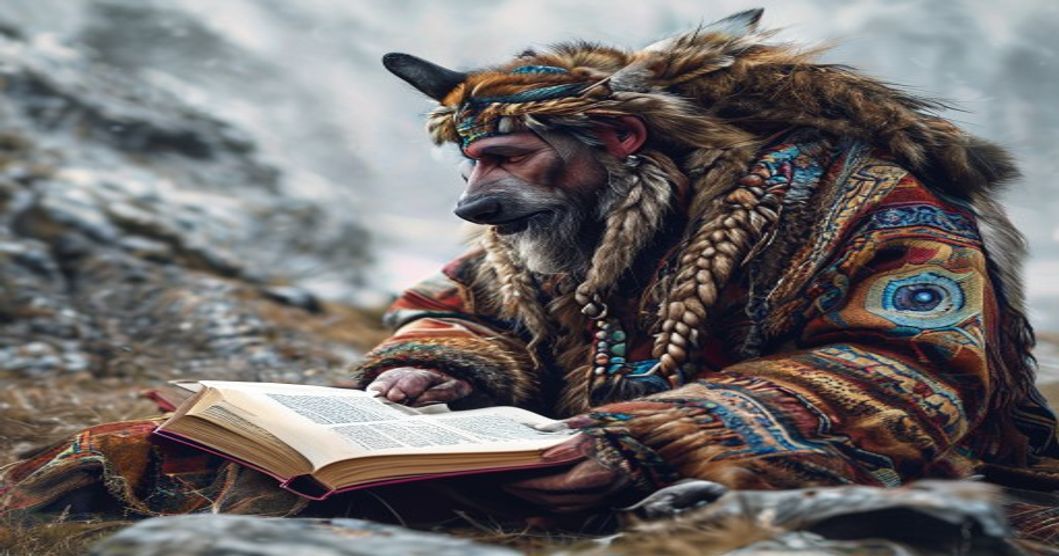
The Role of Storytelling in Sami Heritage and Cultural Preservation
The Sami people have maintained oral transmission systems for centuries, using narrative as the foundational architecture of cultural continuity. Unlike static written archives, these stories function through live performance, vocal modulation, and communal participation. The joik operates simultaneously as a historical record, a geographical map, and a spiritual conduit. Each melodic phrase encodes specific terrain features, seasonal ecological shifts, and ancestral lineages that proved critical during centuries of displacement. These narratives do not merely entertain; they function as living repositories of survival data.
Storytelling in Sami communities operates through tightly woven pedagogical frameworks. Elders recite accounts while navigating reindeer herding routes, assessing ice conditions, or harvesting medicinal plants. The oral format allows continuous adaptation without losing core ecological principles. Listeners absorb precise environmental indicators alongside ethical guidelines governing land stewardship and resource allocation. This intergenerational knowledge transfer establishes a direct link between historical precedent and contemporary land rights documentation. When a storyteller describes a specific valley or river crossing, the audience receives both literal coordinates and the traditional governance structures that dictate seasonal movement patterns.
Historical suppression campaigns targeted Sami languages and oral traditions through residential education systems and linguistic prohibition policies. Storytelling persisted because it migrated into domestic spaces, seasonal work cycles, and community gatherings. Modern preservation efforts now digitize field recordings, integrate narratives into regional school curricula, and fund youth-led documentary projects. Contemporary practitioners merge ancestral formats with digital distribution networks, ensuring that mythological frameworks directly inform current political advocacy, language revitalization initiatives, and cross-border cultural diplomacy. The uninterrupted transmission of these stories remains the primary indicator of Sami societal resilience across Fennoscandia and the Kola Peninsula.
The structural integrity of these narratives relies on precise lexical retention. Traditional terminology captures microclimatic variations, animal behavior patterns, and seasonal transitions with a granularity that modern scientific surveys often require for baseline comparisons. When communities reference historical accounts during land dispute proceedings, they cite specific narrative markers to establish continuous occupancy and resource management practices. This legal application transforms folklore into actionable evidence within international heritage frameworks.
- Vocal techniques transmit topographical data through pitch variation and rhythmic pacing
- Seasonal performance cycles align with reindeer migration and fishing windows
- Intergenerational mentorship programs prioritize dialect preservation alongside narrative content
- Digital archiving protocols maintain acoustic fidelity while restricting commercial exploitation
Understanding Oral Traditions and Joik as Foundational Narratives
The preservation of Sami cultural identity relies heavily on mechanisms that transcend written documentation. Long before external alphabets reached the northern territories, communities maintained historical records, ecological knowledge, and spiritual frameworks through precisely structured oral transmission. These narratives function as living archives, adapting to environmental shifts while retaining core cultural parameters. The structural integrity of these stories depends on rhythmic phrasing, repetitive motifs, and contextual performance elements that aid memory retention across generations.
Central to this system is the joik tradition, which operates far beyond conventional musical frameworks. A joik does not describe a subject; it embodies the essence of the referenced entity, whether that involves a specific reindeer herd, a mountain valley, an ancestral figure, or a seasonal transition. Performers utilize vocal modulation, breath control, and phonetic patterns unique to each Sami dialect to generate acoustic signatures that listeners recognize instantly. This practice establishes direct cognitive and emotional links between the audience and the subject matter, bypassing analytical interpretation in favor of experiential understanding.
- Mnemonic Architecture: Repetitive syllabic patterns and tonal shifts serve as cognitive anchors, allowing complex genealogies and migration histories to be recalled accurately without written reference.
- Ecosystem Mapping: Narrative cycles encode seasonal indicators, predator behavior, snow conditions, and grazing boundaries, functioning as practical navigational guides for reindeer husbandry.
- Ritual Integration: Story performance aligns with ceremonial calendars, reinforcing social cohesion during solstice gatherings, marriage agreements, and resource redistribution events.
Within indigenous epistemologies, these foundational narratives dictate social organization and resource management strategies. Elders deploy specific story cycles during winter gatherings to convey hunting boundaries, migration routes, and ethical guidelines regarding land use. The narrative architecture incorporates ecological markers that align with astronomical observations and environmental indicators. When communities faced external pressures or forced assimilation policies, these oral frameworks became primary tools for cultural resistance. Youth who mastered the intricate phonetic structures and mythological references maintained continuity of practice despite institutional suppression. Modern documentation efforts now focus on recording elder practitioners while preserving the performative context that gives these narratives their functional power.
Mapping Intergenerational Knowledge Transfer Through Folktales
The transmission of indigenous ecological and social frameworks within Sami communities relies heavily on structured oral narratives that function as living archives. Folktales operate beyond entertainment, serving as pedagogical instruments that encode survival strategies, land management practices, and ethical codes into memorable narrative architectures. Elders utilize episodic storytelling to anchor abstract concepts in concrete scenarios, allowing younger generations to internalize complex systems through pattern recognition and contextual repetition.
- Narrative structures embed practical data regarding reindeer migration routes, seasonal foraging patterns, and weather interpretation techniques that require precise environmental observation.
- Characters within traditional tales frequently demonstrate conflict resolution protocols, kinship obligations, and resource-sharing mechanisms that maintain social equilibrium across dispersed winter camps.
- Mnemonic devices woven into rhythmic phrasing and repetitive dialogue sequences enhance cognitive retention, enabling youth to recall critical information without written references.
Knowledge acquisition occurs through participatory engagement rather than passive consumption. Children observe narrative pacing, identify symbolic representations of natural phenomena, and gradually reconstruct ecological relationships by mapping story events onto physical landscapes. This spatial-temporal alignment transforms abstract teachings into tangible field guides that adapt to shifting environmental conditions while preserving core survival principles.
Modern documentation efforts often fragment this continuous transmission cycle by isolating recorded texts from their performative context. Authentic knowledge transfer requires live interaction where storytellers adjust narrative emphasis based on audience comprehension levels, seasonal relevance, and immediate ecological observations. The dynamic nature of oral performance ensures that folktales remain functional pedagogical tools rather than static historical artifacts.
Contemporary preservation initiatives must prioritize restorative practice environments where intergenerational dialogue replaces archival isolation. Reintegrating narrative transmission into daily routines restores the adaptive capacity of indigenous knowledge systems while maintaining linguistic integrity across dialectal variations.
Analyzing Language Revitalization via Indigenous Storytelling Practices
Indigenous storytelling practices function as the primary mechanism for Sami language revitalization, operating through continuous oral transmission that embeds linguistic structures within cultural and ecological contexts. When communities gather to recite joik melodies or recount historical narratives, speakers activate phonetic patterns, syntactic frameworks, and lexical items that colonial education policies systematically suppressed during the nineteenth and twentieth centuries. Each narrative cycle reinforces morphological features specific to North, Inari, Skolt, and South Sami dialects, ensuring that grammatical cases related to reindeer husbandry, terrain navigation, and seasonal migration remain linguistically active rather than historically archived.
The pedagogical value of these practices lies in their contextual anchoring. Vocabulary acquisition shifts from abstract memorization to embodied experience when learners associate terms with specific landscapes, hunting techniques, or craft traditions. Elders serve as linguistic reservoirs, transmitting not only words but also pragmatic usage rules that dictate appropriate speech registers across social hierarchies and ceremonial occasions. Modern revitalization initiatives leverage this framework by establishing community-led narrative workshops where youth record elder accounts using standardized orthographies, then cross-reference collected material with historical field recordings to reconstruct lost phonological variants and restore archaic conjugation patterns.
- Digital documentation projects amplify this process without replacing face-to-face transmission.
- Archives now host searchable corpora of transcribed stories paired with audio visualizations that map dialectal shifts across geographic boundaries.
- Educational platforms incorporate these resources into bilingual curricula, allowing students to analyze narrative structures while simultaneously acquiring functional language skills.
The integration of indigenous storytelling into formal instruction creates sustainable linguistic ecosystems where vocabulary retention correlates directly with cultural participation. Communities implementing structured narrative exchange programs consistently report higher fluency rates among younger demographics, demonstrating that language survival depends on maintaining the ecological and social conditions that originally shaped these verbal traditions. Contemporary frameworks prioritize intergenerational knowledge transfer over standardized testing, ensuring that communicative competence develops organically through repeated exposure to authentic oral registers.
The Evolution of Sami Narrative Techniques Across Generations
Sami narrative techniques emerged from a deeply adaptive oral framework engineered for survival in subarctic environments and highly mobile reindeer herding economies. Early transmission relied on phonetic precision, melodic repetition, and spatial memory cues that allowed complex ecological data to traverse hundreds of kilometers without written documentation. The joik operated as a functional archive rather than entertainment, encoding seasonal migration patterns, watershed boundaries, and clan genealogies into pitch variations that trained listeners could decode with mathematical accuracy. Knowledge exchange occurred during structured winter assemblies when dispersed families reunited, enabling elders to verify narrative continuity through group recitation and call-and-response validation.
External contact during the nineteenth century forced measurable structural transformations in how stories were constructed and delivered. Colonial education policies and missionary documentation actively suppressed indigenous performance spaces, prompting storytellers to embed land sovereignty claims and historical resistance within allegorical animal tales and nature parables. The mid-twentieth century introduction of standardized literacy in northern Sámi dialects created a pivot from purely auditory transmission to hybrid oral-literary formats. Writers integrated traditional rhythmic cadences into printed poetry and prose, expanding geographic distribution while preserving the phonetic architecture that originally carried cultural weight across generations.
- Phonetic memorization frameworks prioritized tonal patterns and breath control over linear chronology to prevent narrative fragmentation.
- Seasonal delivery cycles synchronized storytelling frequency with daylight availability, reindeer calving seasons, and community mobility.
- Digital archival adaptation utilizes spatial audio recording to preserve vocal texture, gesture, and environmental context that static transcription historically erased.
Modern practitioners navigate cloud-based repositories, social media distribution, and classroom digitization without abandoning foundational performance mechanics. Youth apprenticeships now pair emerging storytellers with certified knowledge keepers who emphasize acoustic accuracy and contextual placement over simplified semantic translation. Educational curricula across the Sámi region formalize this transmission through mentorship contracts that require multi-generational verification before material enters public archives. This continuous adaptation demonstrates how narrative evolution remains fundamentally driven by cultural preservation requirements rather than aesthetic experimentation.
Tracing Historical Shifts in Pre-Christian and Christian Era Tales
Pre-Christian Sami oral traditions operated as a complex ecological and spiritual archive, transmitting generations of survival knowledge through structured myth cycles and rhythmic vocal techniques known as joik. These narratives functioned simultaneously as historical records, legal frameworks for land use, and cosmological maps, with the noaidi serving as intermediary figures who navigated between human settlements and reindeer herding territories. The linguistic architecture of these early tales relied heavily on repetitive phrasing, tonal variation, and seasonal markers that synchronized hunting schedules with celestial events.
The introduction of Nordic missionary activity during the eighteenth and nineteenth centuries triggered systematic dismantling of indigenous narrative structures. Missionaries classified joik practices as demonic incantations, confiscating drums and prohibiting ceremonial gatherings. This suppression forced storytellers to encode pre-Christian cosmology within seemingly secular frameworks, embedding animal migration patterns, geomorphological features, and astronomical observations into domestic anecdotes. The thematic transformation became particularly evident in the reworking of creation narratives, where primordial landscape formations shifted from autonomous spiritual entities to manifestations of divine providence.
- Linguistic Adaptation: Indigenous vocabulary surrounding sacred geography underwent phonetic modifications to avoid missionary detection while preserving topographical accuracy.
- Narrative Layering: Oral performers integrated biblical motifs with traditional ecological knowledge, creating hybrid tales that satisfied ecclesiastical expectations without erasing ancestral memory.
- Structural Fragmentation: Complex multi-generational sagas were compressed into shorter episodic formats suitable for covert transmission in restricted communities.
Ecclesiastical archives document systematic eradication campaigns targeting drum divination practices, yet field recordings from early twentieth-century ethnographers reveal remarkable narrative resilience. Storytellers maintained ecological precision through metaphorical substitution, replacing shamanic journey frameworks with symbolic landscape traversals that retained functional navigation data. The survival of these adapted tales demonstrates how linguistic cryptography enabled cultural continuity despite institutional pressure. Modern archival projects now cross-reference missionary documents with oral testimony to reconstruct pre-colonial cosmological systems.
Contemporary Sami narrative practitioners actively recover suppressed structural elements through interdisciplinary research combining historical linguistics, environmental science, and performance analysis. Digital mapping initiatives track mythological place names against archaeological findings, validating centuries-old ecological observations. This methodological convergence transforms historical trauma into analytical frameworks that inform land rights litigation and educational curriculum development.
Examining the Impact of Colonization on Oral Knowledge Systems
Colonial administration across Scandinavia and northwestern Russia systematically targeted Sami oral knowledge as a mechanism of cultural erasure. Educational mandates in the late nineteenth and twentieth centuries explicitly prohibited the use of Sami languages within classrooms, framing indigenous speech as an obstacle to national integration. This linguistic suppression fractured the primary vessel through which ecological data, kinship networks, and spiritual frameworks were transmitted. Without institutional permission to speak their native tongues, elders could no longer safely impart place-based narratives or seasonal navigation techniques to younger generations.
The interruption of intergenerational dialogue produced measurable gaps in contemporary Sami heritage documentation. Yoik performance, traditionally a living archive of landscape memory and family lineage, lost critical contextual layers when performed outside communal settings or recorded without linguistic accompaniment. Reindeer husbandry protocols, encoded within seasonal allegories and boundary disputes, became fragmented as forced relocation policies dismantled traditional migration corridors. Oral historians note that specific dialectal terms describing snow conditions, animal behavior, and medicinal flora disappeared from active vocabulary during peak assimilation periods, directly altering how subsequent generations interpreted historical land claims.
Despite deliberate suppression campaigns, Sami communities developed covert preservation strategies that maintained narrative continuity. Underground language circles, familial storytelling sessions during hidden grazing seasons, and carefully curated folk song collections bypassed official censorship while preserving ecological calendars tied to lunar cycles and aurora patterns. Contemporary archival projects now digitize these fragmented records while prioritizing community-led verification protocols. Legal frameworks established through indigenous rights agreements have gradually restored teaching licenses for Sami educators, enabling structured transmission of oral archives in accredited curricula.
- Linguistic Fragmentation: Dialectal variation collapsed as standardized national languages replaced localized speech patterns during mandatory schooling periods.
- Ecolinguistic Data Loss: Place names and environmental descriptors embedded in narratives vanished from official maps, severing practical navigation knowledge from geographic records.
- Institutional Adaptation: Modern Sami parliaments now fund intergenerational mentorship programs that pair youth with narrative keepers for verified cultural transmission.
Documenting Contemporary Adaptations by Modern Sami Creators
Contemporary Sami creators utilize specialized digital infrastructure to preserve evolving cultural expressions while maintaining strict community oversight over intellectual property rights. High-fidelity audio equipment captures nuanced joik vocal techniques in acoustic environments, with metadata tagging systems linking each recording to specific regional dialects and seasonal performance contexts. 3D laser scanning technology documents intricate duodji craftsmanship, mapping surface textures and tool marks that reveal generational knowledge transfer. Independent media collectives operate decentralized web archives where artists upload time-lapse documentation of gákti construction processes alongside detailed material provenance reports.
- Digital Archiving Protocols: Municipal cultural centers implement FAIR (Findable, Accessible, Interoperable, Reusable) data standards for indigenous knowledge repositories, ensuring long-term preservation without commercial exploitation.
- Hybrid Media Production: Filmmakers combine traditional reindeer hide tanning footage with satellite telemetry data to illustrate modern siida governance adaptations across changing climate zones.
- Educational Documentation: University partnerships develop open-source curriculum modules featuring interactive timelines that map contemporary artistic movements against historical trade routes and colonial policy impacts.
Online marketplaces operate under transparent revenue-sharing frameworks that directly fund language immersion programs and elder mentorship initiatives. Podcast networks produce serialized interviews exploring material sourcing ethics, digital copyright negotiations, and the technical specifications of traditional instrument fabrication. Augmented reality applications overlay historical settlement patterns onto contemporary urban environments, enabling younger demographics to visualize ancestral geography through mobile interfaces. These documentation strategies prioritize creator sovereignty, establishing clear licensing agreements that prevent cultural appropriation while facilitating international exhibition opportunities through verified community partnerships.
Research institutions deploy photogrammetry workflows to catalog silverwork motifs, creating searchable databases that track stylistic evolution across three generations of artisans. Community-led digital channels feature step-by-step tutorials on traditional dye extraction methods, complete with chemical composition analysis and sustainable harvesting guidelines. Cross-border collaboration projects utilize blockchain verification to authenticate origin credentials for contemporary textile exports, protecting regional design patents from unauthorized replication. These archival methodologies ensure that modern reinterpretations remain culturally grounded while meeting contemporary academic and commercial documentation standards.
Cultural Identity and Community Resilience Through Narrative Arts
The Sami narrative tradition operates as a living archive where cultural identity is continuously reconstructed through performative oral practices. Unlike static historical records, these narratives adapt to ecological shifts and political pressures while maintaining core cosmological frameworks. The transmission of ancestral knowledge relies on structured mnemonic devices, rhythmic cadence, and place-based references that anchor communities to specific landscapes across Sápmi. When elders recite generation stories or reindeer migration accounts, listeners absorb not merely events but embedded ethical codes regarding land stewardship, kinship obligations, and seasonal reciprocity. This pedagogical function ensures that cultural identity remains dynamic rather than fossilized.
Central to this resilience is the joik system, which functions simultaneously as musical expression, historical documentation, and spiritual dialogue. Each traditional joik encodes linguistic markers that preserve archaic grammatical structures often lost in standardized Scandinavian languages. The melodic contours mirror topographical features, creating an acoustic map that reinforces territorial belonging. Communities utilize these performances during winter assemblies or seasonal transitions to recalibrate social cohesion. The participatory nature of joiking dissolves hierarchical boundaries between performers and audiences, transforming individual memory into collective ownership. This mechanism prevents cultural fragmentation during periods of forced assimilation or demographic displacement.
Contemporary Sami practitioners deliberately integrate digital documentation with traditional storytelling frameworks to counteract historical erasure. Community archives now combine field recordings, transcribed dialects, and interactive mapping projects that link narrative sites to ancestral territories. These initiatives sustain intergenerational dialogue by providing structured access points for youth who navigate dual cultural environments. The psychological impact of maintaining narrative continuity directly correlates with improved community health metrics, as linguistic sovereignty reduces marginalization stress and reinforces autonomous decision-making structures. When indigenous populations control their storytelling ecosystems, they establish self-sustaining feedback loops that neutralize external assimilation pressures while fostering adaptive governance models rooted in historical precedent.
Evaluating How Stories Reinforce Land Rights and Environmental Stewardship
Sami place names function as precise ecological and territorial records rather than mere cultural markers. Each toponym encodes geological formations, historical events, and seasonal resource utilization patterns that map the landscape long before Western property surveys existed. When communities document these narratives, they construct an evidentiary framework that directly challenges state-drawn administrative boundaries. Judicial systems across Norway, Sweden, and Finland increasingly accept oral testimony as valid documentation for land claims. The stories operate as living deeds, delineating grazing corridors, fishing grounds, and sacred sites without relying on conventional ownership concepts. This narrative cartography provides the foundational proof required to establish historical occupancy and usage rights in legal proceedings.
- Ecological Precision: Traditional accounts detail specific environmental indicators such as lichen regeneration cycles, bird migration timings, snowpack density variations, and reindeer grazing patterns. These narratives serve as generational field guides that teach younger herders how to interpret landscape shifts caused by climate fluctuations or industrial encroachment.
- Stewardship Ethics: The oral transmission of this knowledge establishes a management philosophy prioritizing long-term ecosystem equilibrium over short-term extraction. Community elders frame resource use within intergenerational responsibility, ensuring that harvesting practices remain within natural regenerative capacities.
- Legal Integration: Contemporary Sami organizations compile oral testimonies into structured archives for environmental impact assessments and parliamentary inquiries. These documented narratives directly influence regulatory decisions regarding mining permits, renewable energy installations, and forestry operations across Nordic territories.
The integration of narrative systems into formal land rights advocacy demonstrates how cultural memory operates as a legal instrument. When indigenous groups present oral histories alongside satellite imagery and historical maps, courts recognize the complementary value of experiential knowledge. Legal precedents now acknowledge that traditional narratives document sustainable land management practices that predate modern conservation laws. By documenting seasonal migration routes through storytelling, communities establish continuous usage patterns that satisfy statutory requirements for territorial recognition. This approach ensures that environmental stewardship remains legally enforceable rather than subject to political discretion.
Assessing the Psychological Impact of Shared Heritage Narratives
Shared heritage narratives function as cognitive anchors that stabilize identity formation across generations. Within Sami communities, oral traditions and joik transmission create psychological continuity by linking individual experiences to collective memory. This narrative framework reduces existential uncertainty during periods of cultural disruption. When community members engage with ancestral stories, neurocognitive pathways associated with self-concept activation strengthen. The repetition of land-based narratives reinforces spatial memory networks while simultaneously embedding ethical frameworks that guide behavioral decision-making. Clinical observations indicate that individuals immersed in culturally coherent storytelling demonstrate elevated baseline cortisol regulation and improved emotional resilience during transitional life events.
Intergenerational trauma manifests through fragmented cultural continuity, yet shared narrative reconstruction offers measurable psychological restoration. Sami elders transmitting hunting routes, seasonal migration patterns, and kinship obligations provide descendants with structured cognitive schemas. These schemas function as protective buffers against acculturative stress by establishing predictable relational models. Narrative participation activates prefrontal cortex regions responsible for contextual processing, allowing individuals to reframe historical marginalization as a continuity of adaptation rather than systemic erasure. Communities utilizing participatory storytelling techniques report decreased rates of youth identity confusion and lower prevalence of depression-linked isolation markers.
Collective narrative engagement generates psychological outcomes that extend beyond individual well-being. Group storytelling sessions synchronize physiological rhythms through shared vocal patterns and rhythmic cadence, triggering neurochemical responses that strengthen intra-community trust. This biological alignment reduces intergroup conflict potential while amplifying collective efficacy. When Sami youth co-create digital archives or community theater adaptations of traditional narratives, they experience heightened sense of agency and reduced helplessness regarding cultural preservation. The psychological return on narrative investment compounds through reinforced social capital, improved stress coping mechanisms, and sustained cultural self-determination metrics that correlate with long-term community mental health indicators.
Comparing Regional Variations in Storytelling Styles Across Sápmi
The Sámi territories stretch across four modern nations, creating a vast cultural landscape where geography dictates narrative divergence. Coastal communities in western Finnmark developed storytelling traditions centered on sea hunting, whale migration cycles, and tidal rhythms. These narratives rely heavily on maritime vocabulary, repetitive wave-like cadences, and practical survival metaphors passed through generations of fishers and seal hunters.
- Inland herding regions prioritize episodic structures that track reindeer movements across mountain passes and summer grazing grounds. Narrators in these areas use spatial markers rather than chronological sequences, mapping stories onto the terrain itself. The physical distance between settlements historically required tales to function as both entertainment and navigational reference systems.
Linguistic boundaries directly shape performance aesthetics. North Sámi speakers employ a richer case system that allows for precise directional imagery, while South Sámi communities utilize vowel harmony patterns that create distinct melodic storytelling rhythms. The Kola Peninsula’s Skolt Sámi tradition incorporates Russian loanwords and Orthodox folk motifs, producing hybrid narratives that blend pre-Christian shamanic symbolism with later religious influences.
- Performance contexts further differentiate regional approaches. Coastal groups often deliver tales during winter indoor gatherings where acoustic warmth matters more than vocal projection. Mountain communities favor open-air recitations that utilize natural echo patterns to amplify distant passages. Eastern dialects traditionally incorporate structured call-and-response formats that engage listeners as co-creators rather than passive audiences.
Contemporary archivists document these variations through phonetic transcription and motion capture recording sessions. Researchers note that narrative pacing correlates strongly with historical subsistence patterns, with hunting-based regions favoring rapid sequential delivery while herding territories use measured pauses to mirror animal migration rhythms. Regional dialects also preserve unique mythological frameworks, where coastal versions emphasize sea deities like Mánnu and inland traditions elevate the mountain spirit Áhkká as primary narrative anchors.
Digital Preservation and Global Outreach of Sami Oral Histories
The digitization of Sami oral histories requires precise technical protocols that capture phonetic subtleties, particularly the melodic structures of joik performances and dialect-specific vocabulary. Archivists employ high-fidelity audio sampling rates ranging from 96kHz to 192kHz, paired with standardized metadata frameworks like Dublin Core and Mukurtu CMS, which embed community-controlled access rights directly into file schemas. This technical precision ensures that acoustic degradation does not compromise the linguistic integrity of recordings dating back to the mid-twentieth century. Cross-referencing oral narratives with ethnographic field notes creates a searchable knowledge graph, enabling researchers to trace genealogical references and ecological terminology across multiple Sami language branches.
Global accessibility hinges on decentralized hosting models and API-driven dissemination platforms that prioritize bandwidth efficiency for remote Arctic communities. Educational institutions integrate these digitized collections through standardized learning management system plugins, allowing educators to deploy interactive timelines synchronized with historical weather data and reindeer migration patterns. The resulting digital ecosystem supports asynchronous learning modules where users can compare regional dialect variations through side-by-side audio waveform visualization. Content delivery networks cache high-resolution spectral analysis files across multiple geographic nodes, reducing latency for scholars accessing materials from South America or Southeast Asia.
Community-led curation remains the operational foundation of these initiatives. Indigenous data sovereignty principles dictate that recording permissions, translation workflows, and publication schedules remain under Sami council oversight. This governance model prevents extractive research practices while accelerating linguistic revitalization programs. Younger generations utilize mobile-compatible transcription interfaces to annotate archival clips with contemporary vocabulary, creating living documents that adapt to modern ecological challenges. The continuous feedback loop between digital repositories and local language nests ensures that oral histories function as active pedagogical tools rather than static museum artifacts.
The architectural design of these digital archives prioritizes semantic search optimization, utilizing natural language processing algorithms trained specifically on Uralic linguistic patterns. This approach filters out false positives in keyword matching while accurately linking historical place names to contemporary geographic coordinates. Academic networks leverage OAI-PMH harvesting protocols to syndicate metadata across international heritage databases, ensuring maximum discoverability for academic citations and policy research. Institutional partnerships between Arctic universities and digital humanities labs continuously refine OCR accuracy for scanned field journals, bridging the gap between analog documentation and computational analysis.
Integrating Audiovisual Archives with Traditional Teaching Methods
Audiovisual archives capture centuries of Sami ecological knowledge, migration routes, and linguistic nuance that static texts cannot preserve. When educators layer these digital records onto experiential learning frameworks, the result is a pedagogical bridge between archival preservation and living transmission. Elders who once passed down reindeer husbandry techniques through direct demonstration now have their movements and explanations documented in high-resolution video. Students analyze frame-by-frame footage alongside contemporary GPS tracking data to map historical grazing patterns against modern climate shifts. This method transforms passive viewing into active fieldwork.
Effective integration requires precise metadata tagging aligned with Sami ontological categories rather than Western archival taxonomies. Descriptions must include dialect variations, seasonal markers, and kinship references embedded in joik recordings. Learning platforms should prioritize offline functionality for communities without consistent broadband infrastructure. Interactive timelines allow learners to correlate historical photographs with current satellite imagery, revealing landscape transformation across decades. Teachers facilitate group analysis sessions where youth compare elder narratives against archival audio, identifying linguistic drift and semantic preservation.
- Dialect Mapping: Cross-reference archived speech samples with regional phonetic databases to track vocabulary retention rates across generations.
- Elder-Student Co-Curation: Structure workshop cycles where community knowledge keepers validate digital assets before public deployment.
- Field Documentation Protocols: Train youth researchers in ethical recording techniques that respect sacred sites and seasonal restrictions.
- Multisensory Learning Modules: Combine archival audio with tactile materials like traditional leatherwork patterns or drum designs for kinesthetic reinforcement.
Sustainability depends on decentralized hosting models and community-controlled access tiers. Institutional partnerships must prioritize data sovereignty agreements that prevent extraction without reciprocal benefit. Training programs should equip local facilitators with video editing, metadata structuring, and platform maintenance skills. When archival content operates as a living reference rather than a closed repository, storytelling regains its adaptive function within Sami educational ecosystems.
Navigating Ethical Boundaries in Documenting Sacred Stories
Documenting Sami sacred narratives requires a fundamental shift from extractive research models to community-directed knowledge stewardship. Indigenous storytelling traditions operate within complex social and spiritual frameworks that dictate when, how, and by whom certain accounts may be recorded or shared. Researchers must recognize that sacred stories are not merely cultural artifacts but living obligations tied to land, lineage, and seasonal practices. The primary ethical imperative centers on recognizing the Sami community as the sole authority over their intangible heritage.
Informed consent in this context demands continuous negotiation rather than a one-time signature. Permission frameworks must adapt to changing community consensus, age restrictions, and ceremonial contexts. Certain narratives belong exclusively to specific families or joik practitioners and require explicit authorization before transcription or digital storage. Failing to respect these boundaries transforms cultural heritage into commodified content, stripping narratives of their spiritual gravity and contextual integrity.
- Community-Led Curation: Establish advisory councils composed of Sami elders, knowledge keepers, and cultural practitioners to guide documentation protocols.
- Tiered Access Systems: Implement graduated permission levels that restrict public distribution while preserving materials for internal educational and ceremonial use.
- Language Sovereignty: Prioritize transcription in North Sámi, Lule Sámi, or South Sámi dialects rather than defaulting to Norwegian, Swedish, or Finnish translations.
- Benefit-Sharing Agreements: Ensure documented materials generate tangible returns for hosting communities through funding, capacity building, and co-authorship opportunities.
Digital preservation initiatives frequently overlook the spiritual consequences of archiving sacred content on external servers. Cloud storage platforms operate under commercial data policies that conflict with indigenous ownership principles. Sustainable documentation requires locally hosted repositories controlled by Sami institutions, coupled with encryption standards that align with traditional secrecy practices. Researchers must also navigate power imbalances inherent in academic publishing, where indigenous narratives often appear stripped of attribution or contextual nuance. Ethical documentation ultimately demands humility, long-term relationship building, and the willingness to decline projects that conflict with community values.
Strategies for Sustainable Funding of Indigenous Media Projects
Sustainable financial architecture for indigenous media initiatives demands a departure from dependency on single-source grants toward diversified revenue ecosystems. Cultural producers must integrate institutional funding, community-backed models, and commercial licensing while maintaining strict control over narrative sovereignty.
- Institutional Grant Optimization: Align applications with recurring cultural preservation funds like the Nordic Sami Council development grants, Sámediggi media budgets, and UNESCO intangible heritage programs. Track annual publication cycles and allocate dedicated research time for compliance documentation.
- Community Revenue Mechanisms: Implement tiered membership structures where financial contributions grant voting rights on content direction. Launch targeted crowdfunding campaigns tied to specific documentary releases or audio archive digitization, utilizing platforms that offer transparent fee structures and direct creator payouts.
- Licensing & Educational Partnerships: Negotiate long-term distribution agreements with academic publishers and language revitalization programs. Structure royalty contracts to guarantee perpetual cultural ownership while generating passive income through curriculum integration and digital library access.
Corporate sponsorship requires defensive contractual frameworks. Producers must embed narrative veto clauses, mandate minimum reinvestment percentages into local infrastructure, and require independent audits of marketing attribution. Hybrid operational models combining live storytelling ticket sales, ethically produced merchandise, and co-production agreements with public broadcasters stabilize cash flow across seasonal fluctuations.
Financial resilience depends on institutional literacy within indigenous communities. Training teams in grant reporting standards, tax-exempt status utilization, and cross-border funding compliance reduces administrative friction. Establishing dedicated cultural trusts allows accumulated capital to generate interest-based sustainability, insulating media operations from market volatility. Collaborative funding networks across neighboring indigenous territories amplify bargaining power while distributing administrative overhead. When financial strategy aligns directly with cultural governance protocols, independent media collectives transform temporary productions into self-sustaining information institutions.
Digital asset management further strengthens revenue stability. Creators should register oral histories and traditional narratives under collective intellectual property frameworks to prevent unauthorized commercialization. Blockchain-based royalty tracking systems ensure transparent compensation when content appears on streaming platforms or educational databases. Regular financial forecasting, donor retention analytics, and grant renewal ratio monitoring enable proactive budget adjustments. Media cooperatives that institutionalize these practices secure long-term operational continuity without compromising cultural authenticity.
“`html
Frequently Asked Questions
What is The Role of Storytelling in Sami Heritage?
The role of storytelling in Sami heritage is fundamental to the preservation and transmission of Indigenous culture across generations. Through oral traditions known as joik, myths, legends, and historical narratives, the Sami people have maintained their language, spiritual beliefs, ecological knowledge, and communal identity despite centuries of external pressures and assimilation policies. Storytelling served not only as entertainment but as an educational tool, a means of mapping Arctic landscapes, and a way of encoding survival strategies within culturally resonant frameworks.
Key facts about The Role of Storytelling in Sami Heritage
- The Sami oral tradition relies heavily on joik, a unique form of traditional song that functions as both storytelling and personal or place-based expression.
- Sami stories encode detailed ecological knowledge about reindeer migration, weather patterns, and Arctic survival techniques passed down orally for millennia.
- The Sami language consists of several distinct dialects across the Sápmi region, and storytelling has been crucial in keeping these linguistic variants alive.
- For centuries, missionaries and colonial authorities actively suppressed Sami oral traditions, leading to a significant loss of cultural knowledge before revival efforts began in the late 20th century.
- Modern Sami artists and writers are blending traditional storytelling with contemporary media—film, literature, music, and digital platforms—to reach global audiences while preserving heritage.
- The United Nations Declaration on the Rights of Indigenous Peoples has reinforced international support for protecting Sami oral heritage as intangible cultural property.
“`
“`json
{
“@context”: “https://schema.org”,
“@type”: “FAQPage”,
“mainEntity”: [
{
“@type”: “Question”,
“name”: “What is The Role of Storytelling in Sami Heritage?”,
“acceptedAnswer”: {
“@type”: “Answer”,
“text”: “
The role of storytelling in Sami heritage is fundamental to the preservation and transmission of Indigenous culture across generations. Through oral traditions known as joik, myths, legends, and historical narratives, the Sami people have maintained their language, spiritual beliefs, ecological knowledge, and communal identity despite centuries of external pressures and assimilation policies. Storytelling served not only as entertainment but as an educational tool, a means of mapping Arctic landscapes, and a way of encoding survival strategies within culturally resonant frameworks.
”
}
},
{
“@type”: “Question”,
“name”: “Key facts about The Role of Storytelling in Sami Heritage”,
“acceptedAnswer”: {
“@type”: “Answer”,
“text”: “
- The Sami oral tradition relies heavily on joik, a unique form of traditional song that functions as both storytelling and personal or place-based expression.
- Sami stories encode detailed ecological knowledge about reindeer migration, weather patterns, and Arctic survival techniques passed down orally for millennia.
- The Sami language consists of several distinct dialects across the Sápmi region, and storytelling has been crucial in keeping these linguistic variants alive.
- For centuries, missionaries and colonial authorities actively suppressed Sami oral traditions, leading to a significant loss of cultural knowledge before revival efforts began in the late 20th century.
- Modern Sami artists and writers are blending traditional storytelling with contemporary media—film, literature, music, and digital platforms—to reach global audiences while preserving heritage.
- The United Nations Declaration on the Rights of Indigenous Peoples has reinforced international support for protecting Sami oral heritage as intangible cultural property.
”
}
}
]
}
“`